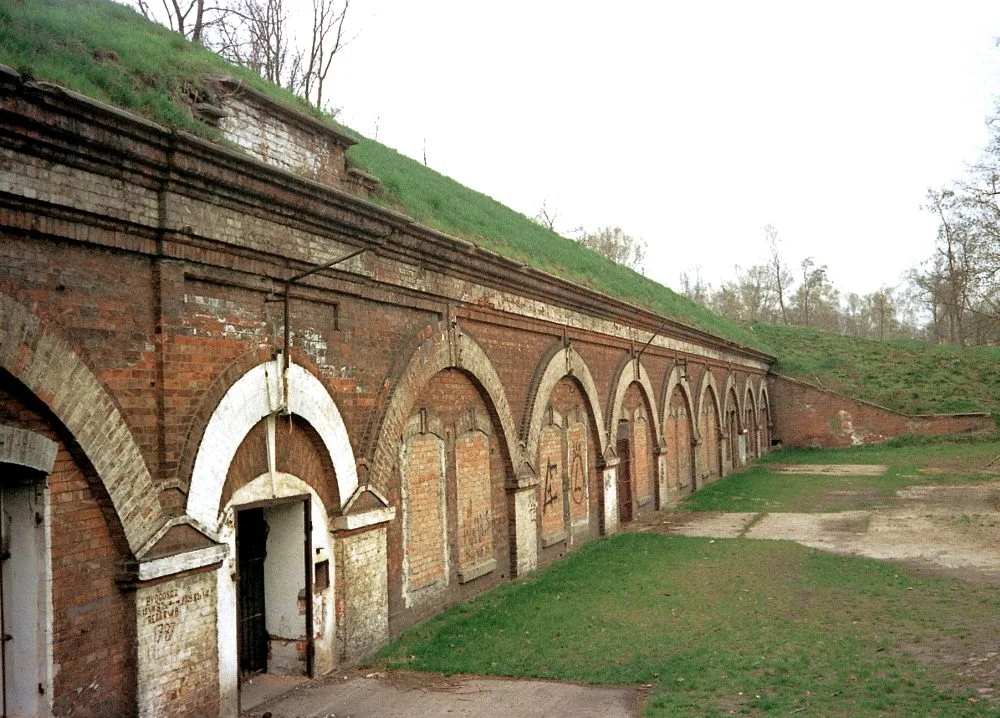
Warsaw, a city rebuilt from rubble, hides its own abandoned side: the tsarist forts of the Warsaw Fortress, a post-Soviet sanatorium for the elite, a ghost estate full of empty flats and a disused cement works by the canal. These places sit far from the Old Town and the Palace of Culture. Our map covers hundreds of abandoned places in Mazovia, and in this guide we have picked the five strongest in the capital itself.
We checked each of them ourselves: they are all genuinely abandoned and still standing in 2026, unlike the Warsaw "classics" turned into shopping centres and offices. Under every entry, the "Add to my map" button saves the GPS coordinates to your account, for free and with no card needed. Searches for urbex Warsaw and abandoned places Warsaw lead right here. See all the abandoned places in Warsaw on the interactive urbex map →
Urbex Warsaw for free: why Urbex Maps changes the game
Most lists of "abandoned places in Warsaw" end by sending you to a closed group where you only get coordinates if you know the right people. With us, under every place there is an "Add to my map" button that saves the GPS point to your account, for free and with no card. Our community counts more than 40,000 explorers and has been running since 2021, and every coordinate is checked at least twice before it goes on the map. Free spots are free; the paid packs fund moderation.
Why some places did not make this list
Let's be honest: Warsaw's most famous "abandoned" places no longer exist in that form. Norblin Factory is now a food-and-culture complex, Powisle Power Station a shopping gallery with a hotel, and Fort Wola reopened in 2023 as a working shopping centre. Drucianka in Praga has become a housing-estate construction site. We also skipped Zofiowka in Otwock, which we covered in our guide to abandoned Poland. So we kept only the places that, in 2026, really stand abandoned within the limits of Warsaw.
1. Fort Bema: a tsarist fort in a city park
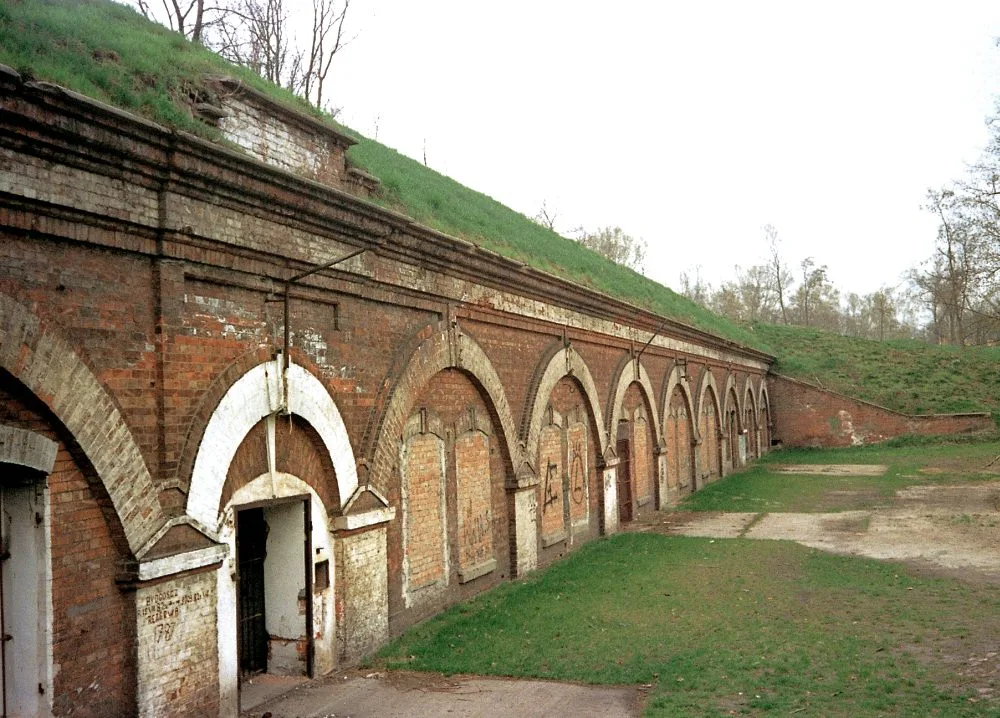
In Bemowo stands Fort Bema (the former Fort "P" Parysow), built between 1886 and 1890 by the Russian army as part of the inner ring of the Warsaw Fortress. Quickly made obsolete by advances in artillery, it later served as ammunition workshops and German depots, and in 1921 it was named after General Jozef Bem.
Today the fort lies in a city park and is the easiest spot on this list to reach: the brick casemates stand empty, unsecured, partly burned out, and you can freely explore them with a torch. It is a good starting point for beginner explorers. More places on our Warsaw urbex map.
2. Fort Sliwickiego: the oldest fort of the Citadel
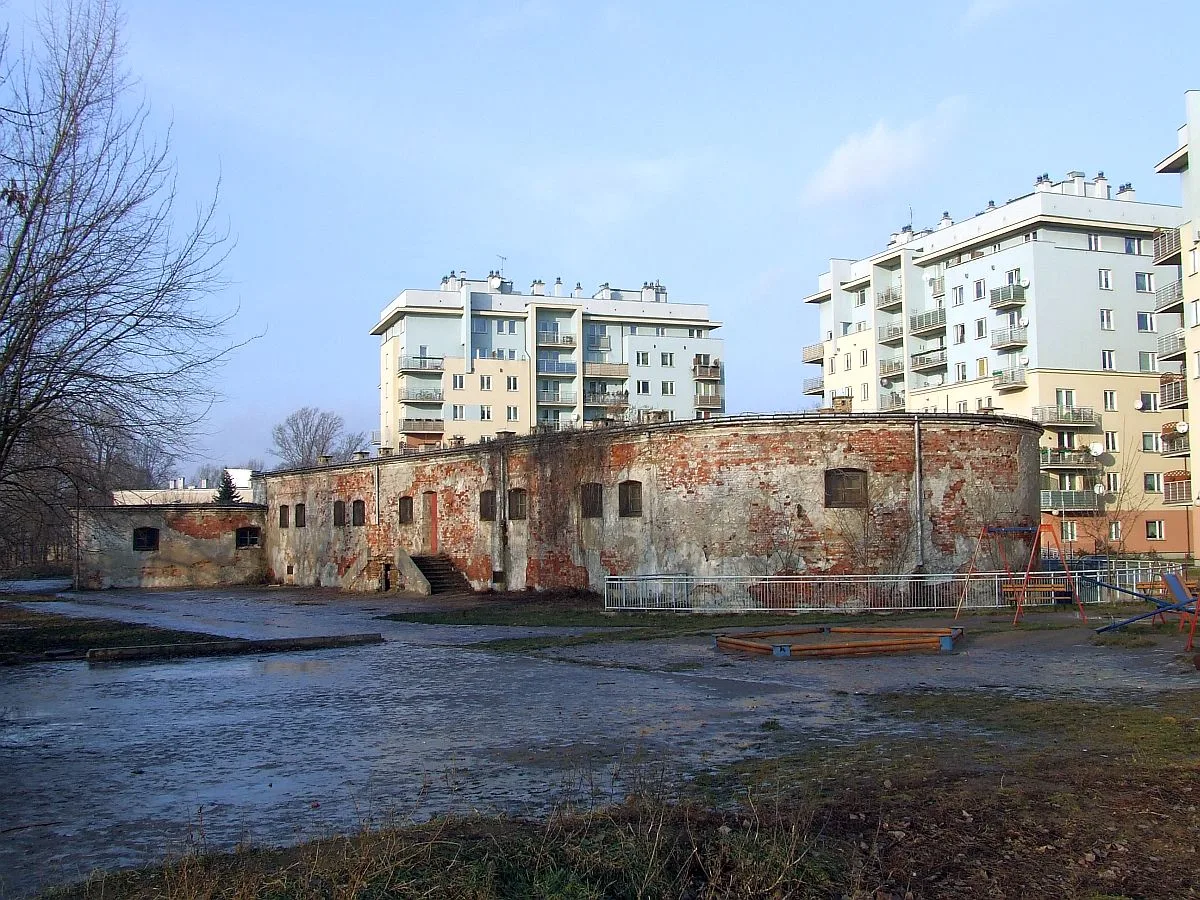
In Praga-Polnoc, near the Citadel, stands Fort Sliwickiego (Fort Jasinskiego since 1921), the oldest fort of the Warsaw Citadel. The Russians built it between 1835 and 1836 after the November Uprising, as a work covering the link between the Citadel and the right bank of the Vistula. It is named after Lieutenant Julian Sliwicki, buried on the site in 1835.
After the war the fort housed ZOMO barracks, then the mounted police stables. Today part of the complex is ruined and abandoned, although in 2001 a housing estate for police officers was built on the esplanade, breaking up the layout. The fort itself - the barracks and the southern casemate - remains in poor condition and is a target for explorers; the building interiors are usually locked. More places on our Warsaw urbex map.
3. Dudziarska Estate: Warsaw's ghost housing estate
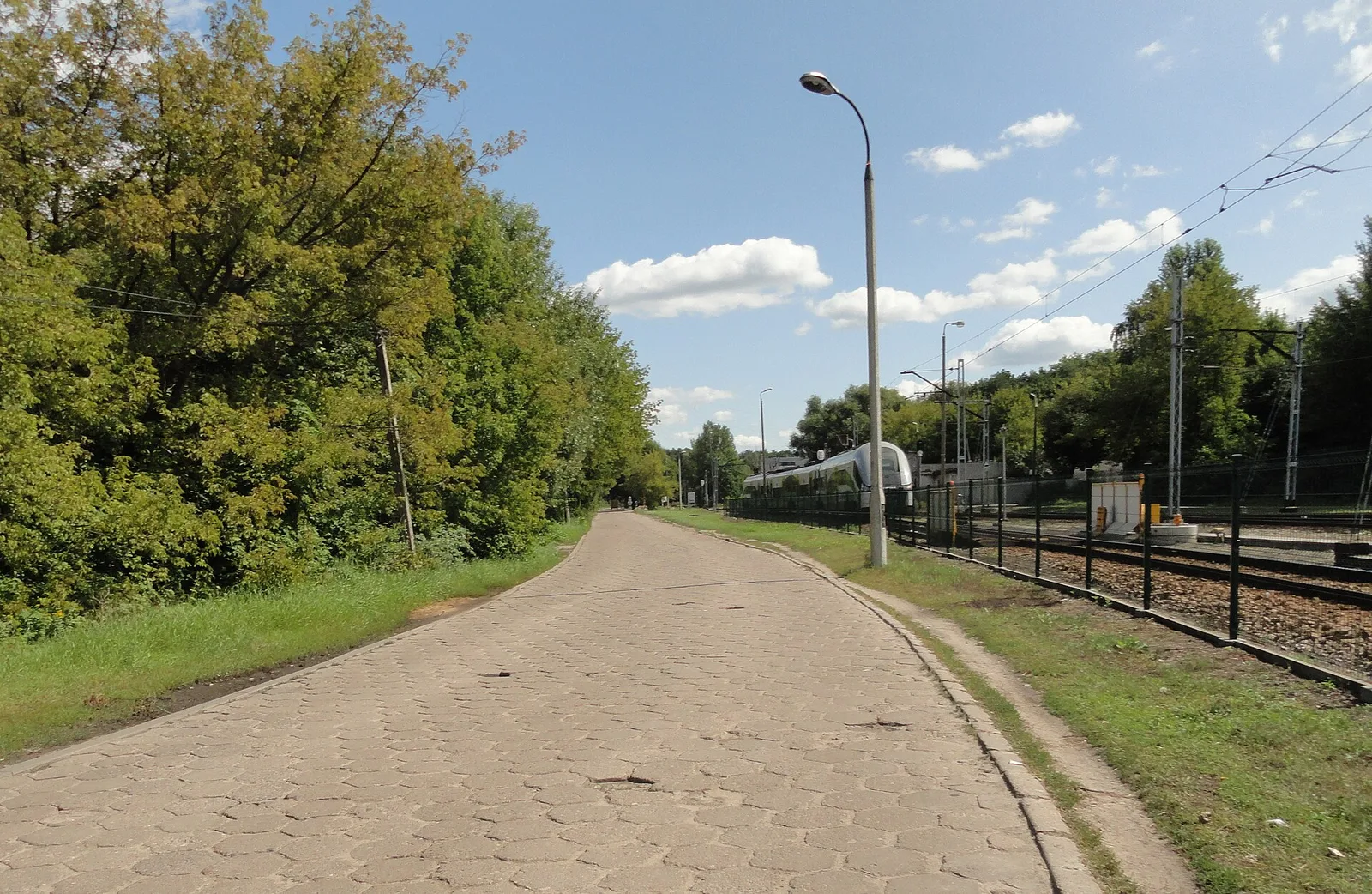
In Praga-Poludnie, squeezed between railway tracks and industrial land, stands the Dudziarska estate: three municipal blocks built in 1995-1996 as social housing for evicted tenants. Cut off from the city, it quickly earned a bad reputation as a "penal colony".
The residents were rehoused in 2019, and the blocks were sealed up with boards and left empty. The district council approved the demolition in August 2024, but for lack of budget (more than 1 million zlotys) it was pushed back, so in 2026 the estate still stands - a modern ghost estate in the middle of the capital. The site is sometimes squatted; stay careful. More places on our Warsaw urbex map.
4. MSWiA Hospital in Wesola: a sanatorium of the old elite
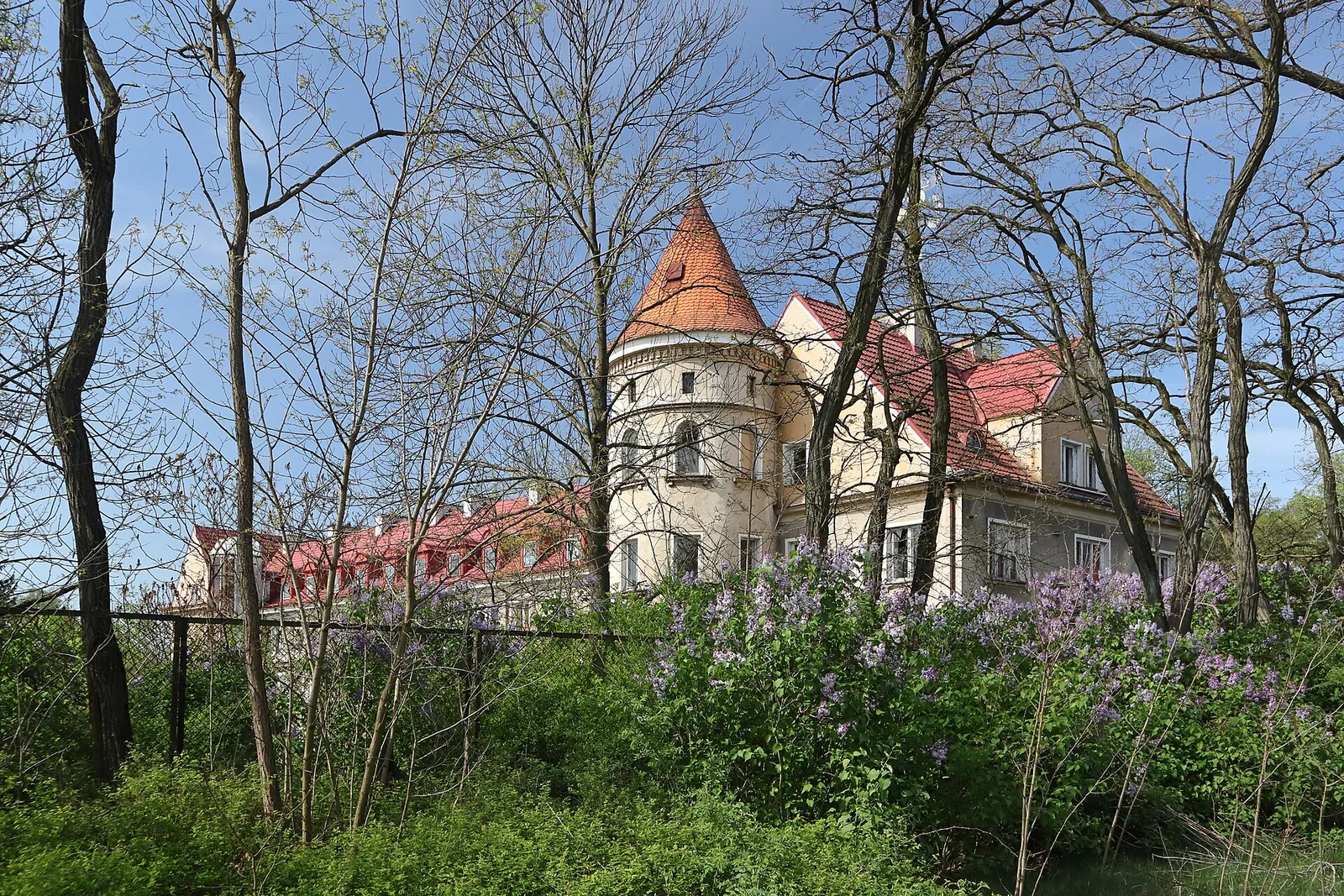
In the Wesola district, on the Groszowka estate, stands the abandoned MSWiA hospital, a former sanatorium of the Ministry of the Interior for the military and politicians (a 1930s building with a distinctive glazed external lift). According to local lore, the wife of Edward Gierek was among those treated here.
The centre was finally closed in 2014; since then the building has been decaying, but it is guarded: the windows and doors are bricked up, cameras and motion sensors are active, and security patrols the grounds. It is a tougher target than Fort Bema - exploring here is risky and has ended in interventions more than once. Better to view it from the outside. More places on our Warsaw urbex map.
5. Żerań Cement Works: silos by the canal
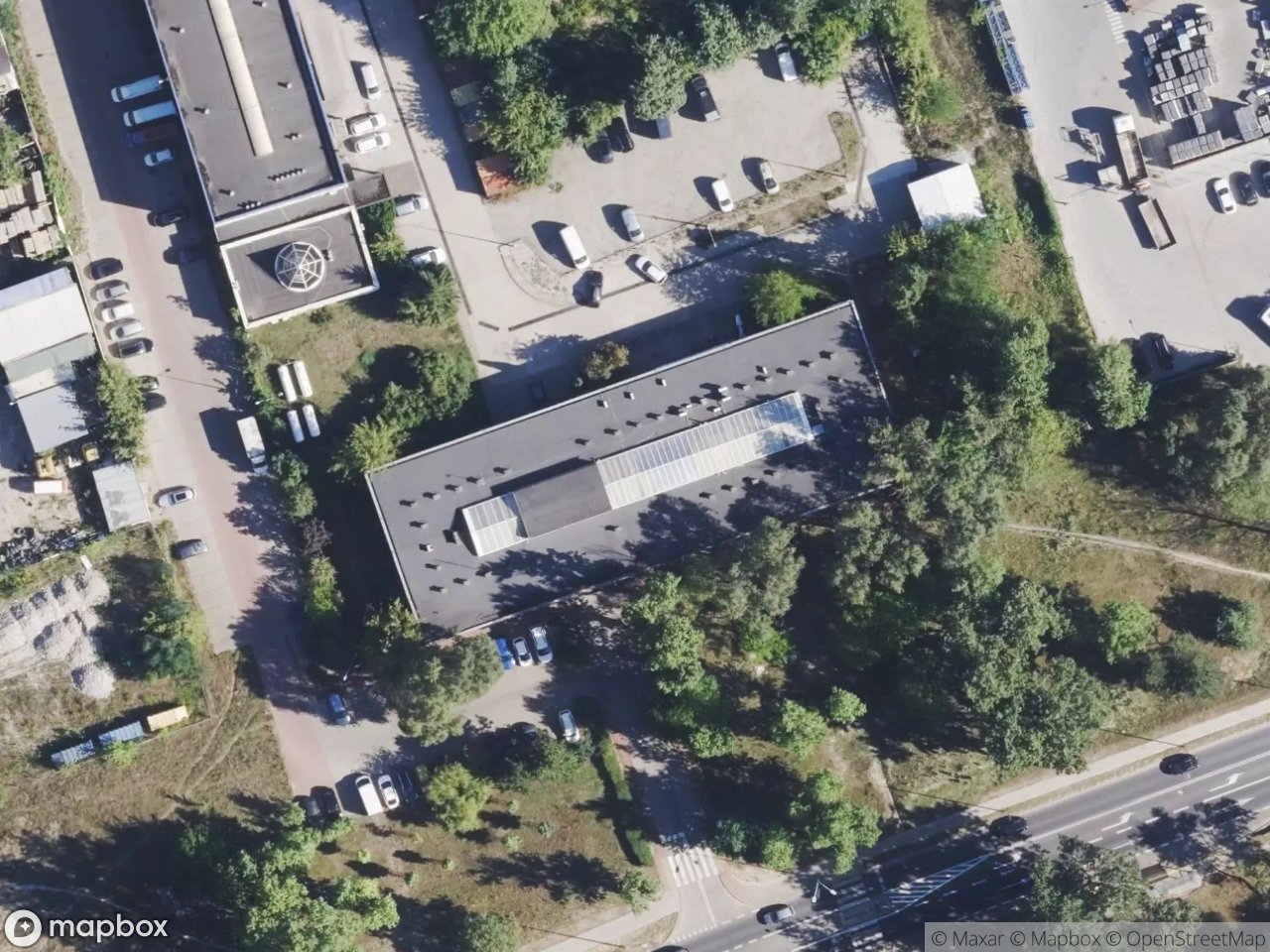
In Bialoleka, by the Żerań Canal, stands the disused Warszawa Cement Works, known as the "Żerań cement works". It was built in the 1950s; it was one of the largest plants in Bialoleka and covered up to about 60 percent of the capital's cement demand, using fly ash from Warsaw's combined heat and power plants.
Production stopped around the turn of the century, and what remains of the plant are two distinctive silos plus halls and buildings by the water. It is one of the most easily accessible abandoned industrial sites in Warsaw - the state in 2024 confirmed an open gate and no surveillance, although scrap collectors do show up here. Stay careful. More places on our Warsaw urbex map.
FAQ - Urbex Warsaw
How many abandoned places are there in Warsaw?
On our Warsaw and Mazovia urbex map you will find hundreds of verified spots: forts of the Warsaw Fortress, abandoned hospitals, post-industrial sites and empty buildings.
Is urbex in Warsaw legal?
Exploring itself is not a crime, but entering private, fenced or guarded land (like the MSWiA hospital) can be an offence. Fort Bema lies in a city park and is open to the public. Respect "no entry" signs and do not cause damage.
Are these places dangerous?
Yes. The forts have dark casemates and wells, the Dudziarska estate is sometimes squatted, and the cement works has unsecured silos. Never explore alone, carry a torch and a charged phone, and do not step onto floors at risk of collapse.
Which spot is the easiest for beginners?
Fort Bema, because it lies in a public city park and is not guarded. The MSWiA hospital in Wesola, by contrast, is watched (cameras, patrols) and the hardest on this list.
Where can I find more abandoned places in Warsaw?
On our free urbex map and on the Warsaw map you will find hundreds of spots. Under every free point, click "Add to my map" to save the GPS coordinates to your account.
When is the best time for urbex in Warsaw?
Early spring and late autumn, when the bare branches reveal the forts and bunkers. In summer the cement works and the fort grounds drown in greenery, and in winter the days are short.
Conclusion: the other side of the capital
Behind the facade of modern Warsaw hides a city of tsarist forts, post-Soviet sanatoriums and post-war industry that history has left to the side. These five places are only the beginning. Explore responsibly: respect "no entry" signs, do not step onto floors at risk of collapse, and leave no trace. To discover more, head to our Warsaw urbex map and save coordinates for free in your personal map.