Urbex in Ghent tells the story of a city that spun cotton for the whole world, generated its electricity along the canal and raised neo-Gothic spires above its working-class districts, before whole swathes of that industry died out. Between the brick halls of the Filature Nouvelle Orléans on the Nieuwe Vaart, the giant chimney of the Langerbrugge power station in the port, and the Art Deco façade of the Cinema Rex, Ghent and its surroundings form one of the richest urbex grounds in Flanders. Our map lists thousands of geolocated spots across East Flanders and all of Belgium.
For this guide, I selected 6 places that are genuinely abandoned and still standing in 2026, each verified one by one: a cotton mill listed as a monument, a power station frozen in the port, a deconsecrated church put up for sale by the city, an Art Deco cinema emptied since 1985, a gutted stone windmill and a historic railway workshop. No demolished site disguised as a living spot, no factory converted into housing presented as a ruin - and Ghent has plenty of those. Beneath each entry, an « Add to my map » button saves the GPS coordinates to your personal account, free and with no bank card.
The searches urbex Ghent, urbex Gent, abandoned places Ghent, verlaten plekken Gent and urban exploration East Flanders all point to the same reality: a textile, industrial and religious heritage that history set aside through bankruptcies, the end of the parish system and changing tastes, and that photographers, urbexers and historians are rediscovering today. This guide gives you, for each site, its dated history, its legal status and its real dangers, before handing you the coordinates.
Urbex Ghent free: why Urbex Maps changes the game
Before the spots, a word about what sets this guide apart. Most pages about abandoned places in Ghent put « free » in their title, then send you to a closed Facebook group, a forum or a paywall. Here the promise is concrete: beneath each place, an « Add to my map » button drops the GPS coordinates into your personal account, with no subscription and no bank card.
Behind the map sits a community of more than 40,000 explorers, active since 2021. Each set of coordinates is verified at least twice - by the person who reports it, then by a regional moderation team that confirms the spot still exists and has not been walled up or demolished. The places featured in this article are part of that catalogue; the thousands of other Flemish and Belgian spots are unlocked via packs that fund moderation and field verification.
A reminder before you set off: urban exploration is not illegal in itself, but entering private property without permission is trespassing, which can become an offence if you cause damage or ignore fences and signs. We document these places for their history; we never encourage breaking in. Helmet, head torch, high boots and caution on the floors: several of the spots below pose real risks of collapse and asbestos, and the Langerbrugge power station borders the deep water of the canal.
1. Filature Nouvelle Orléans - the listed cotton mill (Bloemekenswijk)
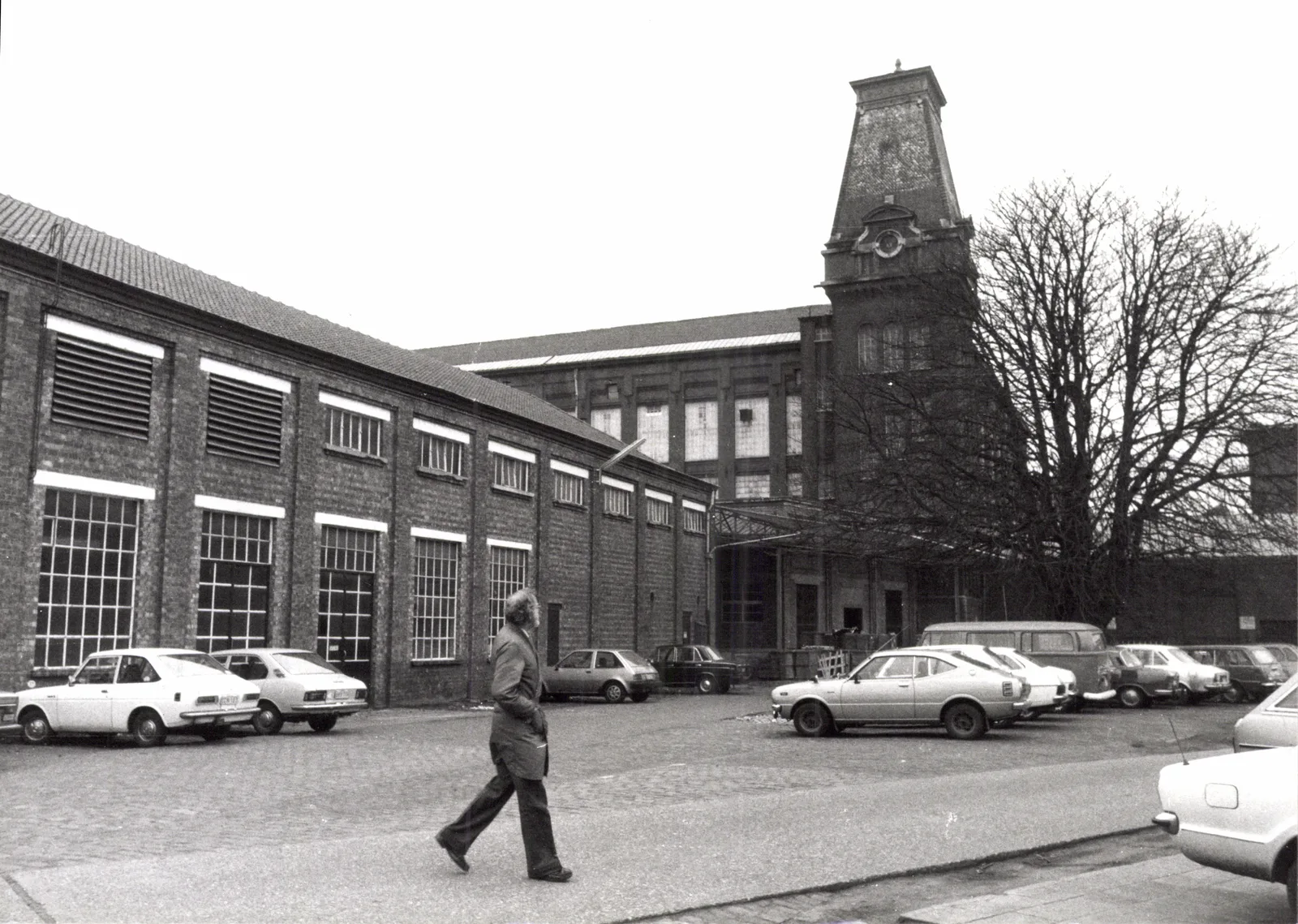
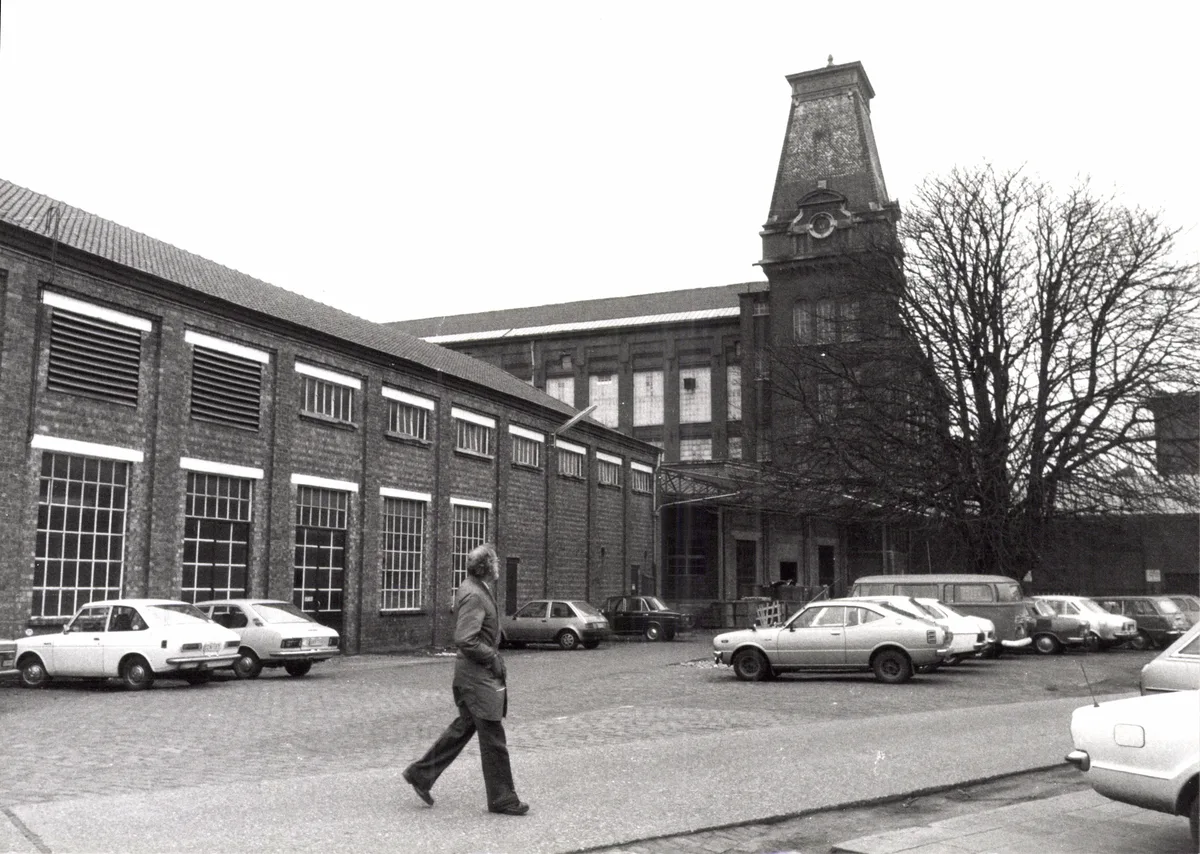
North of the centre, in the working-class Bloemekenswijk district, along the Nieuwe Vaart, the Filature Nouvelle Orléans (FNO) is the great abandoned monument of Ghent's cotton industry, in East Flanders. Founded in 1896 under the name Cotonnière Nouvelle Orléans, it was considerably enlarged between 1905 and 1908 by architect Serafinus De Taeye, who added its tall stair tower and its water tank. At the peak of Ghent's textile production, the sector supported thousands of workers from the neighbourhood.
Taken over by the UCO group in 1972, the mill stopped spinning in the 1980s and closed in 1988. The key buildings - the Manchester, the 1907 offices, the chimney and the weaving sheds - were listed as monuments in 1995, which saved them from demolition. The redevelopment of the site, named « Het Getouw », is now suspended: PFAS pollution was discovered in the soil, and the remediation study was still under way in spring 2026. The listed halls therefore remain empty and standing, awaiting their fate.
The site is a private wasteland managed by the city, partly fenced and monitored: one shed has been given a temporary use for young people, but the monumental buildings cannot be visited. Real risks: fragile floors, weakened frames, probable asbestos and contaminated soil. The Filature Nouvelle Orléans remains the absolute reference of Ghent's industrial urbex - the memory of cotton written in brick. More spots on our East Flanders urbex map.
2. Langerbrugge power station - the port's power plant (Langerbrugge)
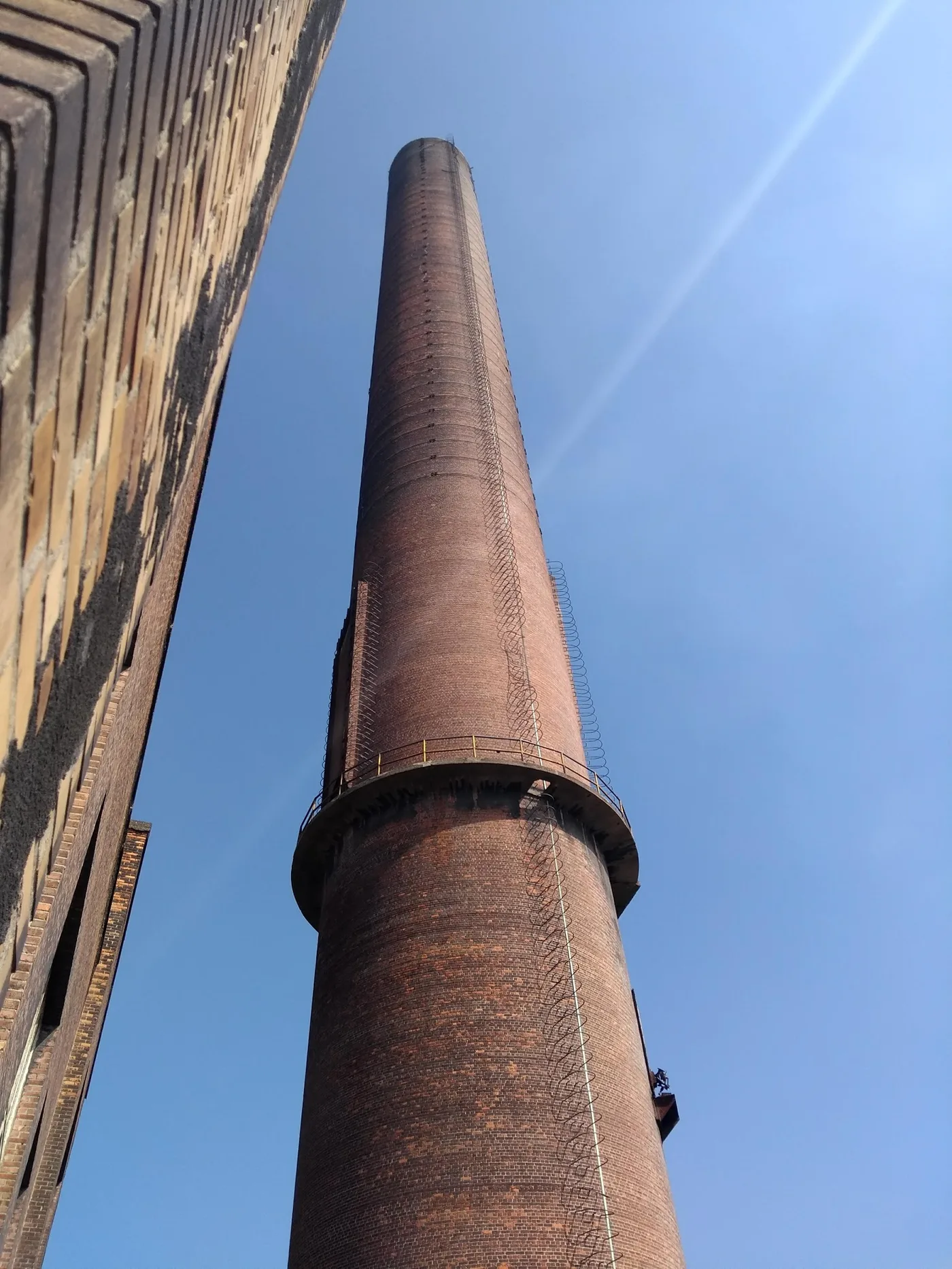
North of Ghent, on the Langerbrugge peninsula, in the heart of the port's quays and warehouses, the Langerbrugge power station still raises its silhouette of brick and concrete. Its core was built from 1913 by engineer-architect Eugène Dhuicque, then enlarged in 1947 and between 1956 and 1959, as the electrification of the Ghent region grew. It was one of the great thermal power stations of Flanders.
The station lost its function at the turn of the 2000s and was listed as a monument in 2013. While a few outbuildings have been renovated to house businesses, the monumental core - the machine hall, the boiler house and the great chimney - remains an empty shell, whose demolition the heritage agency refuses. The brick chimney, which dominates the whole site, has made it a recognisable landmark of the Ghent port.
The site is private property bordered by the deep water of the canal, partly fenced and dangerous. It is a place to understand from the quays and the surroundings rather than to enter: weakened structures, heights, and a cold body of water right beside it. The Langerbrugge power station tells the industrial history of the port, written in brick and soot. More places on our East Flanders urbex map.
3. Sint-Machariuskerk - the deconsecrated neo-Gothic church (Heirnis)
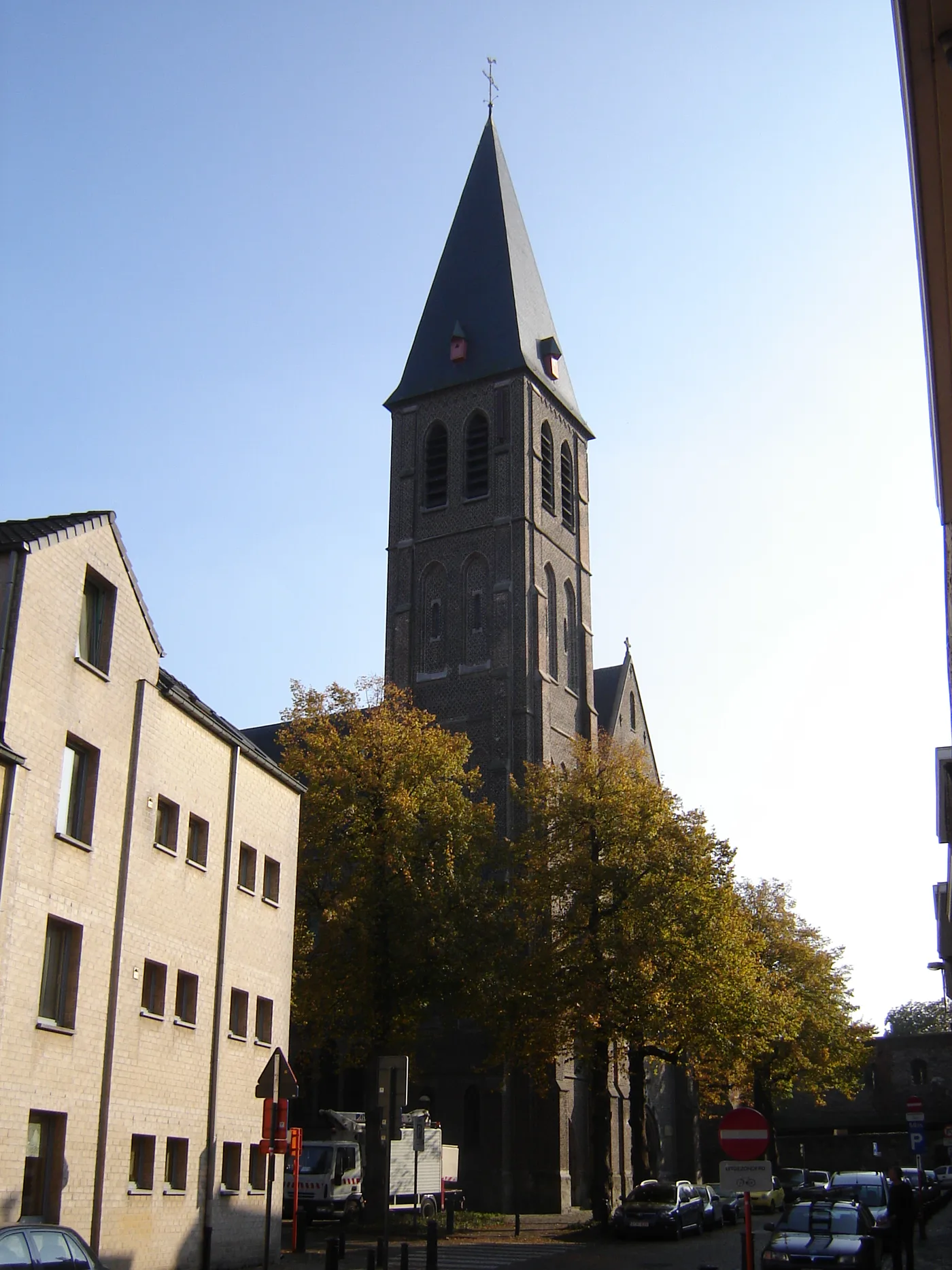
In the Macharius-Heirnis district, east of Ghent's centre, the Sint-Machariuskerk is a large neo-Gothic basilica on a Latin cross plan. Its first stone was laid on 13 June 1880 and the building was constructed between 1880 and 1882, its tower completed in 1893. Designed by Arthur Verhaegen-Lammens and carried out under the direction of architect Eugène Nève, it served a fast-expanding working-class suburb.
For lack of worshippers, the church has held no services since 2017 and has stood entirely empty ever since. In January 2026, the City of Ghent placed it on its list of buildings to be sold or leased on a long-term basis, prompting strong buyer interest but with no conversion yet decided. The building is heritage-protected and still standing: neither demolished, nor sold, nor transformed in 2026. It is one of the city's finest disused churches.
The building is closed and placed under the city's guard, within an inhabited urban fabric: discretion and respect are required here more than elsewhere. The classic risks of a large empty building apply: falling materials, fragile floors and vaults. The Sint-Machariuskerk illustrates the long retreat of Ghent's parish system, a building too monumental to raze, too costly to restore easily. More spots on our East Flanders urbex map.
4. Cinema Rex - the Art Deco hall emptied since 1985 (Sint-Pieters station)
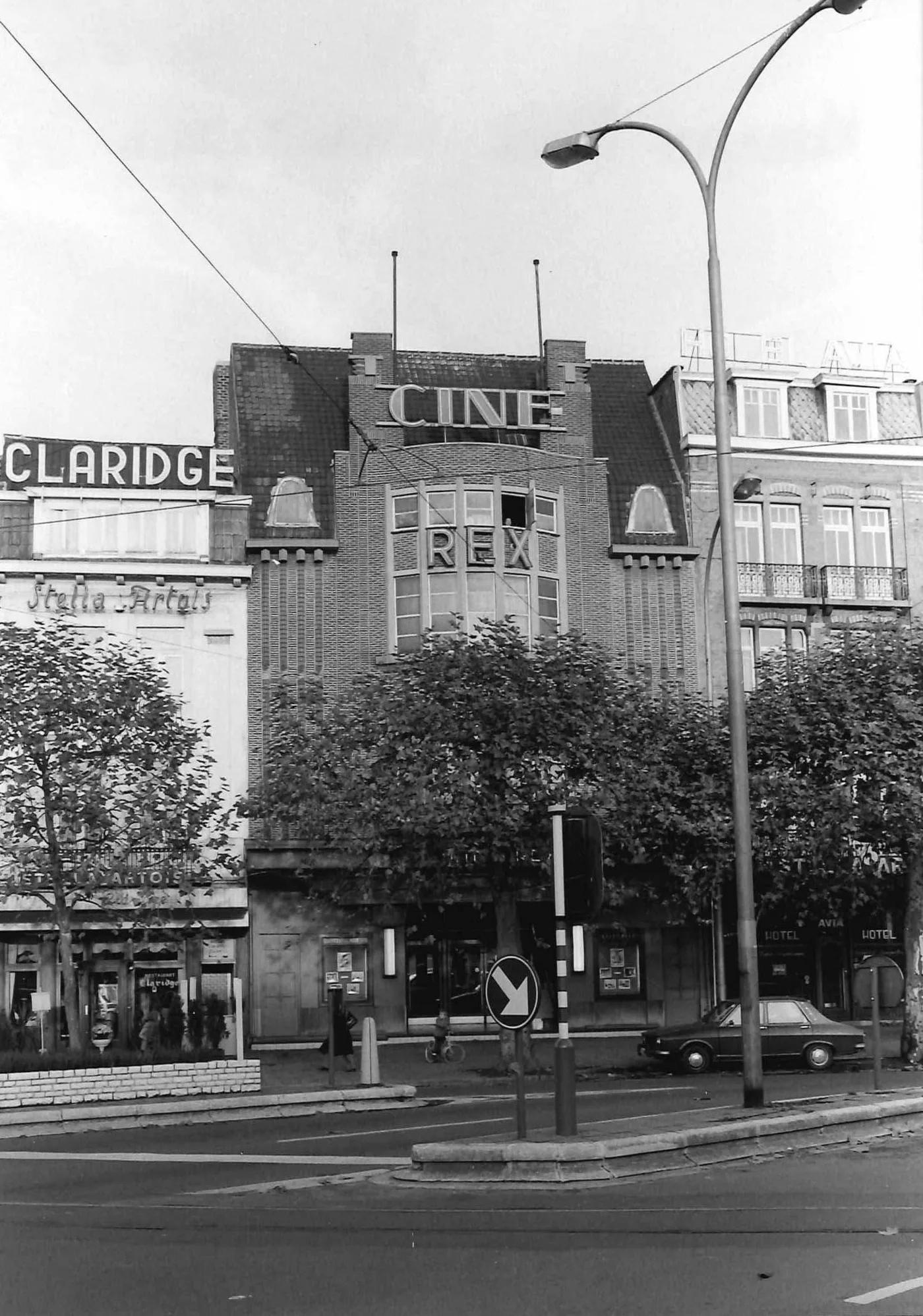
A stone's throw from Ghent-Sint-Pieters station, on the Koningin Maria Hendrikaplein, the Cinema Rex lines up its Art Deco façade and its « CINE REX » sign above the trees. Built and inaugurated in 1933 by Ghent architect Geo Henderick, inspired by the Parisian Grand Rex, it concealed behind its yellow brick façade a large « atmospheric » hall with Moorish decor, its ceiling painted as a starry summer sky.
The Rex closed for good as a cinema in 1985, after the financial difficulties of its operator, and has remained empty and dilapidated ever since, one of the most emblematic derelict sites of the station district. In 2023, the city's urban development company bought it for 1.2 million euros, but in March 2026 its future remained uncertain - « what to do with the Cinema Rex? » -, the idea of a « House of Cinema » not yet settled. The building is still standing, listed and empty.
The Cinema Rex is a property closed to the public, to be admired from the square. It is the most easily accessible spot on this list, right in the centre, next to the station. Classic risks of a hall abandoned for forty years: collapsed false ceilings, fragile floors and balconies. A frozen cinema set waiting to learn whether it will live again. More places on our East Flanders urbex map.
5. Remuemolen - the gutted stone windmill (Destelbergen)
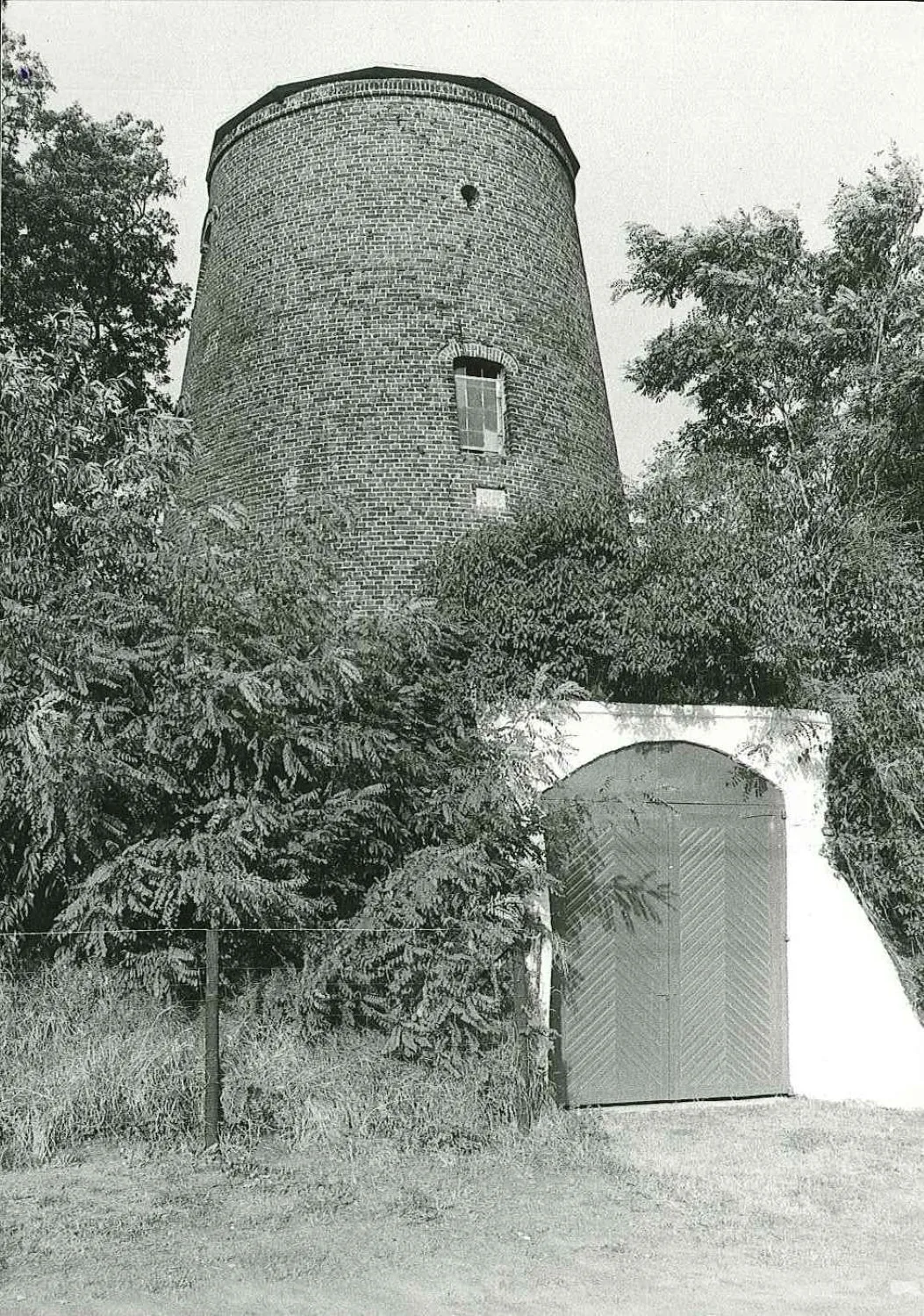
East of Ghent, in Heusden in the municipality of Destelbergen, the Remuemolen still raises its brick body above the fields. This tower mill (bergmolen) was built in 1867-1868 to grind grain, fitted with a steam engine in 1884, then stripped of its sails after a fire in 1914. Converted into a flour mill and feed factory, it ran until the turn of the century.
Activity stopped around 2001, and the machinery left the mill for the Netherlands. Since then, the tall brick tower has remained empty, gutted, reduced to a shell, simply heritage-protected in 2009. It has been neither demolished nor restored: it is a fine witness to the milling industry on Ghent's outskirts, slowly reclaimed by vegetation.
The Remuemolen is private property; you observe and photograph it from outside, respecting the neighbourhood. The brick tower is fragile and its interior has kept none of its mechanisms. It is the most rural and peaceful spot on this list, an abandoned mill at the gates of the city. More spots on our East Flanders urbex map.
6. Het Arsenaal - the historic railway workshop (Gentbrugge)
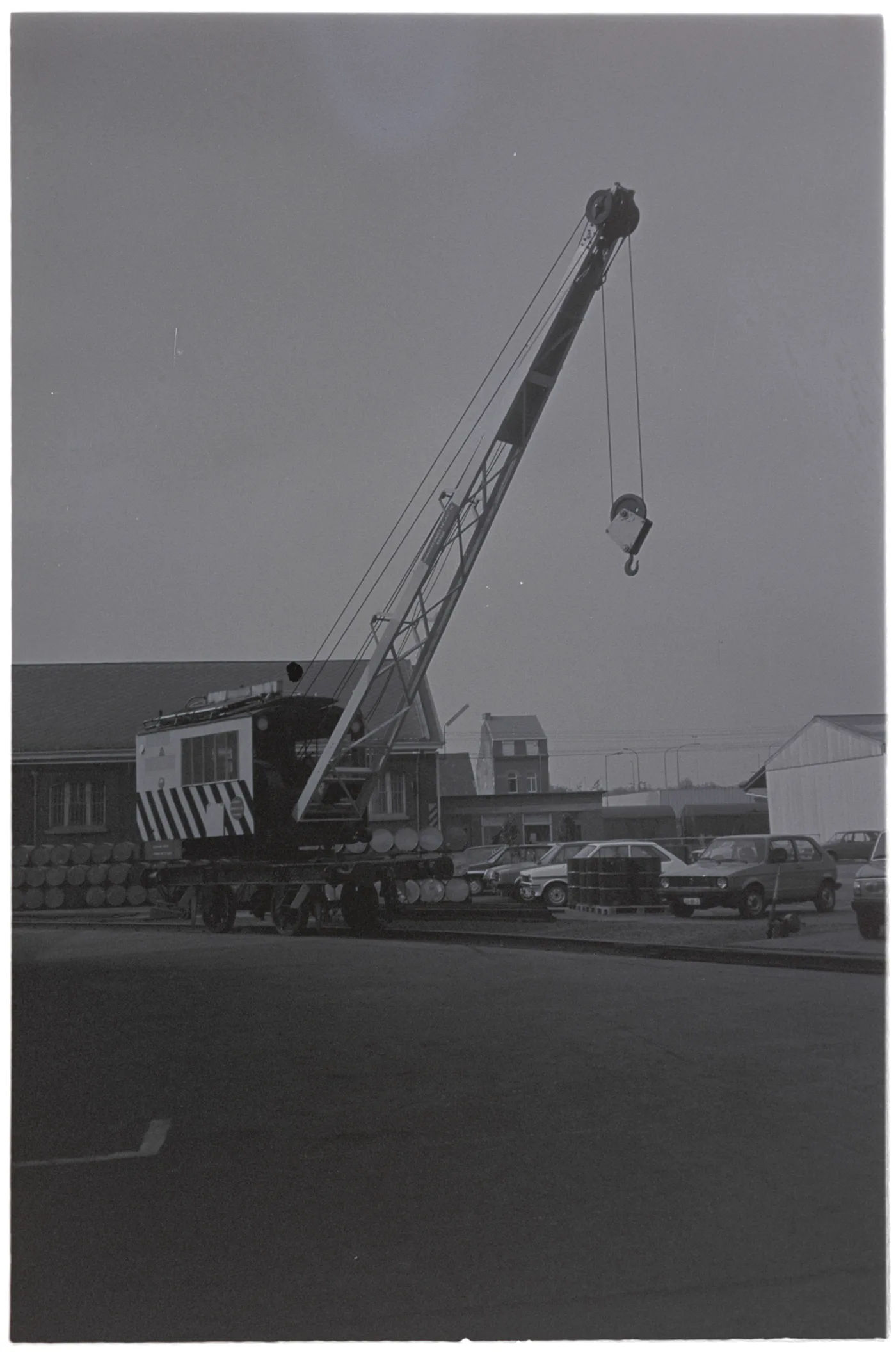
In Gentbrugge, along the Brusselsesteenweg, the Central Repair Workshop, nicknamed « het Arsenaal », is the oldest railway workshop in Flanders. Built from 1881 and put into service in 1884, enlarged in 1926 by architect Maurice Stasino, it repaired and overhauled the goods wagons for the national railway company. Its long brick halls and its crane on rails bear witness to the golden age of the Belgian railway.
The last activities left the site in 2018, when a new workshop opened in Melle. The SNCB decided to sell the Arsenaal in 2022; it was bought by a property consortium that plans a mixed-use project, but that is not expected until after 2025. In the meantime, the historic halls remain standing and empty, hosting only temporary events: the window to see them in this state is closing.
The site is a former private railway estate, partly monitored, to be observed from the surroundings. Classic risks of a large industrial workshop: heavy structures, pits, floors and possible asbestos. Het Arsenaal closes this list with the memory of Ghent's railway, a workshop too laden with history to vanish without a trace. Discover more spots on our East Flanders urbex map.
FAQ - Urbex Ghent
Is urbex legal in Ghent?
Looking at and photographing buildings from public space is legal. Entering private property without permission is trespassing, which can become an offence if you cause damage or ignore fences and signs. Most spots on this list are private, listed or managed by the city: we document them for their history, without ever encouraging breaking in. To go further, read our guide on urbex in Belgium.
Where to find other abandoned places around Ghent?
Our map lists thousands of spots across East Flanders and the rest of Belgium. You can add the places from this article to your personal map for free via the button beneath each entry, then unlock the rest thanks to our regional packs.
Are these abandoned places dangerous?
Yes. The Filature Nouvelle Orléans combines fragile floors, probable asbestos and contaminated soil, the Langerbrugge power station borders the deep water of the canal, the Cinema Rex has stood empty for forty years, and the Arsenaal has pits and heavy structures. Several can only be seen from outside the fences. Set off with company, take a head torch, and never enter a structure that looks unstable. Our urbex gear guide covers the essentials.
Which abandoned place should you choose to start in Ghent?
The Cinema Rex is the simplest: right in the centre, next to Ghent-Sint-Pieters station, it can be admired and photographed from the square without difficulty. The Sint-Machariuskerk, in an inhabited district, is also very easy to discover from the street. Keep the Filature Nouvelle Orléans and the Langerbrugge power station for more demanding explorations, at a respectful distance from the fences.
Conclusion: Ghent, a city written in its derelict sites
From the cotton halls of the Bloemekenswijk to the Langerbrugge chimney, from the vaults of the Sint-Machariuskerk to the frozen decor of the Cinema Rex, the abandoned places of Ghent tell the story of a city of cotton spinners, railwaymen and neo-Gothic builders - and of the bankruptcies, church closures and changing world that left these landmarks behind. They are not stage sets: they are open-air history books, fragile, to be explored with respect and without damaging anything, several of them on borrowed time before conversion. Add them to your map, and continue with our top 10 abandoned places in Belgium or the East Flanders urbex map.