A granite village rising from the bottom of a reservoir, the first great textile mill of the Vale do Ave standing silent, and a Salazar-era stadium emptied out and vandalised: the district of Braga holds some of the strongest ruins in the Minho. Far from the tourist postcard of Bom Jesus, we've gathered 3 abandoned places genuinely still standing in 2026 — no ticketed museum, just real urbex you can still explore. From Vilarinho das Furnas, in the heart of the Gerês, to the 1.º de Maio Stadium, right in the city, ranked by their visual power and historical weight.
Our map brings together more than 229,000 geolocated abandoned places across over 200 countries, and it was from that archive that we filtered down to keep only ruins that are real and standing in 2026 in the Minho and around Braga, never converted into a paid attraction. For each one: its story, its video when there is one, and an "Add to my map" button — the exact GPS coordinate is free, no credit card. This guide is part of our work on abandoned places in Portugal: start here and then open the urbex map of Portugal.
Abandoned places in Braga: why Urbex Maps changes everything
Plenty of "free" sites end up charging you 50 euros on a forum for the real address. We do the opposite: an "Add to my map" button unlocks the exact coordinate in your personal space, with no credit card. A community of more than 40,000 explorers since 2021 checks every coordinate at least twice before publishing it. The 3 places below are ranked by visual power and historical importance; for each one, a link to its listing and to the urbex map of Portugal. Everything opens from the free urbex map or from your My Map space.
The abandoned places of Braga at a glance
| Place | Area | Type | Access in 2026 |
|---|---|---|---|
| Vilarinho das Furnas | Terras de Bouro (Gerês) | Submerged village | Free (when the reservoir drops) |
| Sampaio Ferreira Mill | Riba de Ave, V. N. Famalicão | Textile mill | Forbidden (in ruin) |
| 1.º de Maio Stadium | Braga (city) | Municipal stadium | Forbidden / vandalised |
1. Vilarinho das Furnas, Terras de Bouro: the submerged village of the Gerês
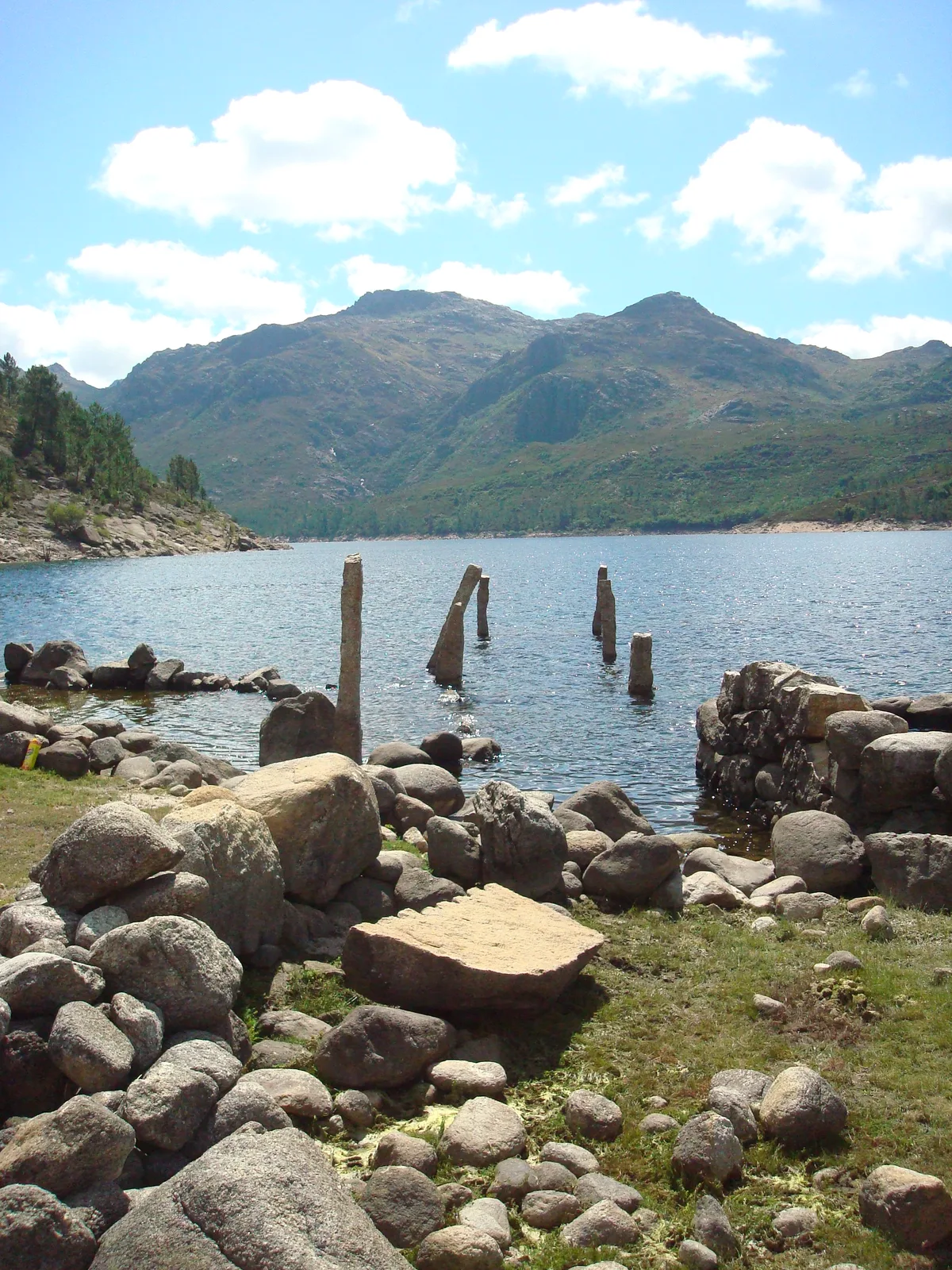
In the heart of the Peneda-Gerês National Park, Vilarinho das Furnas was a centuries-old communal granite village, famous for its collective organisation. In 1972, the building of a dam submerged it completely and the inhabitants were rehoused; the village was never rebuilt. What makes it a unique urbex spot is that it didn't vanish for good: when the reservoir level drops, especially in summer and in drought years, the ruins — walls, streets, terraces — reappear at the surface, like a Minho Atlantis. In those periods you can reach it on foot along the banks; when the water is high, everything sits underwater. See the Wikipedia entry. More ruins on the urbex map of Portugal.
2. Sampaio Ferreira Mill, Riba de Ave: the textile giant of the Vale do Ave
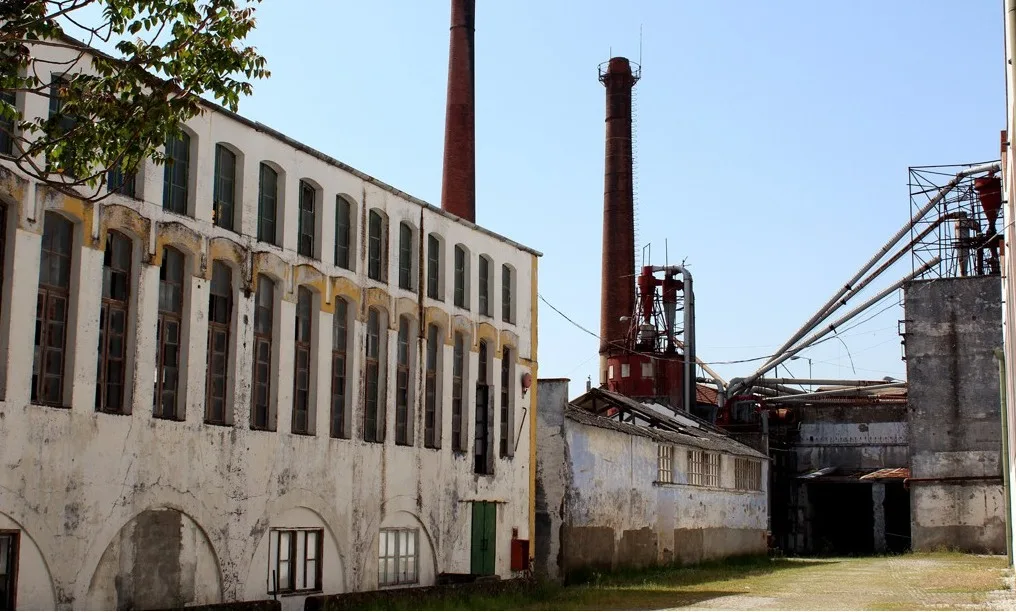
In Riba de Ave, a few kilometres from Braga, the Sampaio Ferreira Mill was the first great textile mill of the Vale do Ave and the engine of an entire workers' town: neighbourhoods, a school, a chapel and a canteen grew up around it for thousands of workers. Born in the late 19th century, it became one of the largest spinning and weaving complexes in the country, before closing in 2005. Today, most of the halls and the monumental chimney remain abandoned, a huge and melancholy testament to the end of the Minho's textile era. This is industrial urbex in its purest form, delicate to access because it's private property in ruin. Historical context on Wikipedia.
3. 1.º de Maio Stadium, Braga: the old Salazar-era stadium left abandoned
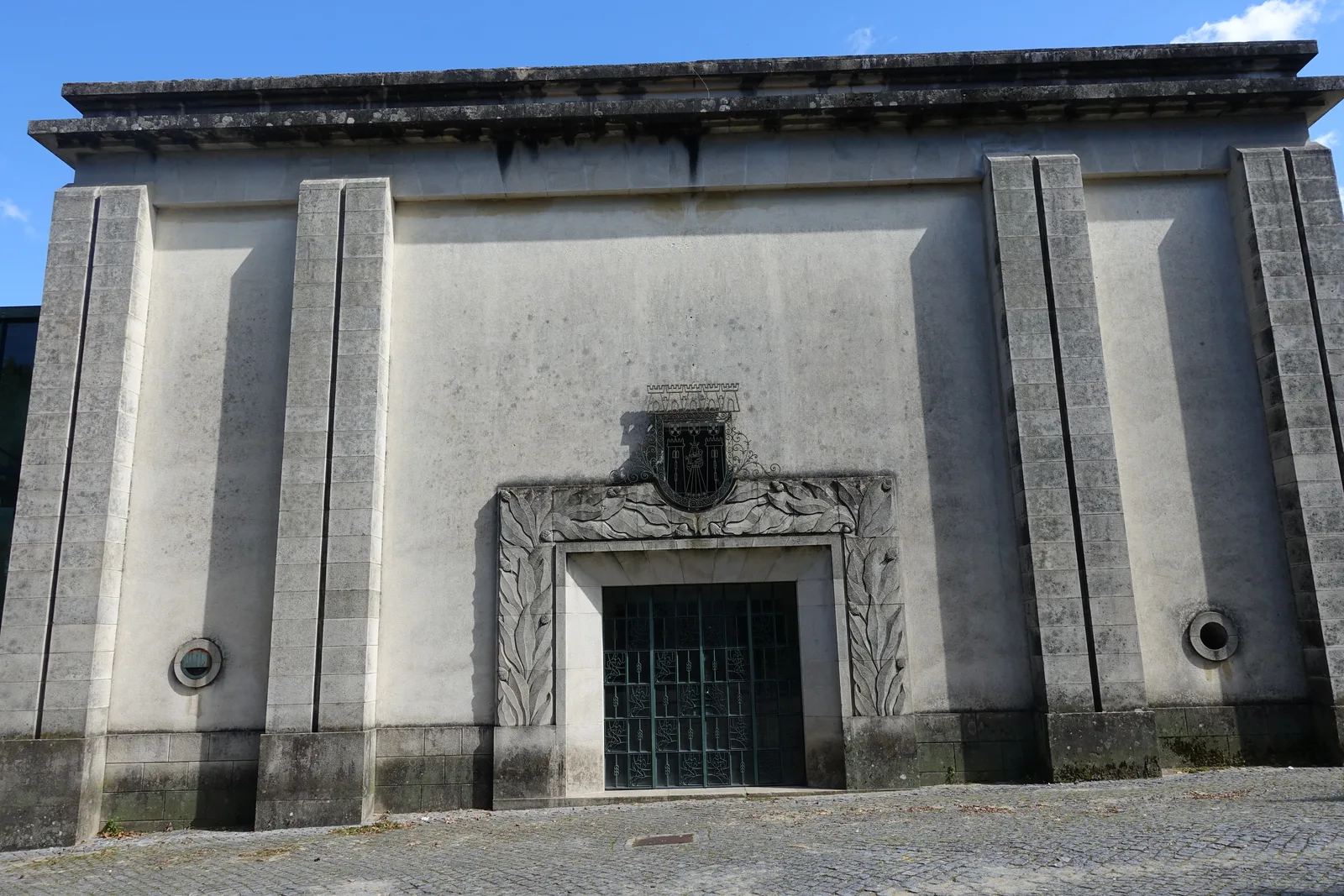
Right in the city of Braga, the 1.º de Maio Stadium was the former municipal stadium, opened in 1950 at the height of the Estado Novo and marked by Salazar-era aesthetics, with bronze reliefs by the sculptor Barata Feyo. Home to Sporting de Braga for decades, it lost its role when the club moved to the spectacular Municipal Stadium "da Pedreira" in 2003. Since then it slid into abandonment: crumbling stands, vandalised changing rooms, an overgrown pitch and the raw feel of a ghost stadium. It was definitively emptied in 2025, and its future remains undecided. It's one of the most unusual urban urbex spots in the north — a whole stadium in the heart of a city. See also the abandoned places in Portugal.
Abandoned places in Braga: frequently asked questions
Is it legal to explore abandoned places near Braga?
Exploring isn't a crime, but almost all of these sites have an owner (private, municipal or the State): entering without permission can amount to trespassing. The ruins of Vilarinho das Furnas lie in a freely accessible natural area when the reservoir drops, out in the open; the Sampaio Ferreira Mill and the 1.º de Maio Stadium are fenced-off properties explored clandestinely. Never force entry, don't damage anything, and leave if you're asked to.
When can you see the ruins of Vilarinho das Furnas?
The village only reappears when the reservoir level falls far enough, especially in late summer and in drought years. At those times you can see walls, streets and terraces at the surface and reach it on foot along the banks; during winter and spring high water, almost everything is submerged. It's worth checking the water level before you go.
How do I get the GPS coordinates of these places?
At each place above you have a card with the "Add to my map" button: when you click it, the exact GPS coordinate is saved to your personal My Map space, for free and with no credit card. You can then open everything on the free urbex map and browse by area of the Minho.
Where are there more abandoned places near Braga?
The Minho and the Vale do Ave are packed with textile mills and abandoned farms, and the Gerês holds forgotten villages and infrastructure. See the guide to abandoned places in Portugal and explore the full map of Portugal, with thousands of geolocated points from north to south.
Explore the urbex map of Portugal
These 3 places are just the tip of the iceberg around Braga. The urbex map of Portugal brings together thousands of geolocated points, from the Minho to the Algarve and from the islands to the interior, each with its coordinate. Start with your region, add your favourites to my map and set off exploring — with respect for the places and for your own safety.