Blood-red rivers, a luxury hotel forgotten on top of a volcano, a schist village with no road, and entire sanatoriums swallowed by the forest: Portugal is one of Europe's most underrated urbex playgrounds. From the southern Alentejo to the Azores, by way of the Serra da Estrela and the Minho, we've gathered 10 abandoned places genuinely still standing in 2026 — no ticketed museums, only real ruins you can still explore. From the Martian mine of São Domingos to the Monte Palace Hotel above Sete Cidades, ranked by visual power and historical weight.
Our map gathers more than 229,000 geolocated abandoned places across more than 200 countries, and it's from that archive that we filtered to keep only real ruins still standing in 2026, never turned into a paid attraction. For each one: its story, its video and an "Add to my map" button — the exact GPS coordinate is free, no credit card. This is the mother guide to urbex in Portugal; to go deeper, each city has its own article: Lisbon, Porto, Braga, Coimbra and Faro.
Abandoned places in Portugal: why Urbex Maps changes everything
Many "free" sites end up charging you 50 euros on a forum for the real address. We do the opposite: an "Add to my map" button unlocks the exact coordinate in your personal space, with no credit card. A community of more than 40,000 explorers since 2021 checks every coordinate at least twice before it's published. The 10 places below are ranked by visual power and historical importance; for each one, a link to its listing and to the urbex map of Portugal. Everything opens from the free urbex map or from your My Map space.
The 10 abandoned places of Portugal at a glance
| Place | District | Type | Access in 2026 |
|---|---|---|---|
| São Domingos Mine | Beja (Alentejo) | Copper mine | Free (outdoors) |
| Monte Palace Hotel | Azores | Luxury hotel | Forbidden / clandestine |
| Sousa Martins Sanatorium | Guarda | Tuberculosis sanatorium | Forbidden (active site next door) |
| Drave Village | Aveiro | Ghost village | Free (on foot) |
| Royal Spinning Mill of Tomar | Santarém | Textile mill | Forbidden (in ruins) |
| Radium Spa | Guarda | Thermal hotel | Forbidden / clandestine |
| Valflores Palace | Lisbon | Renaissance manor | Forbidden (in ruins) |
| Jales Mines | Vila Real | Gold mine | Free (mining field) |
| Herdade do Pereiro | Portalegre | Casino and spa | Forbidden (private property) |
| São Francisco Convent | Setúbal | Convent | Forbidden (state-owned) |
1. São Domingos Mine, Beja: the Martian landscape of the Alentejo
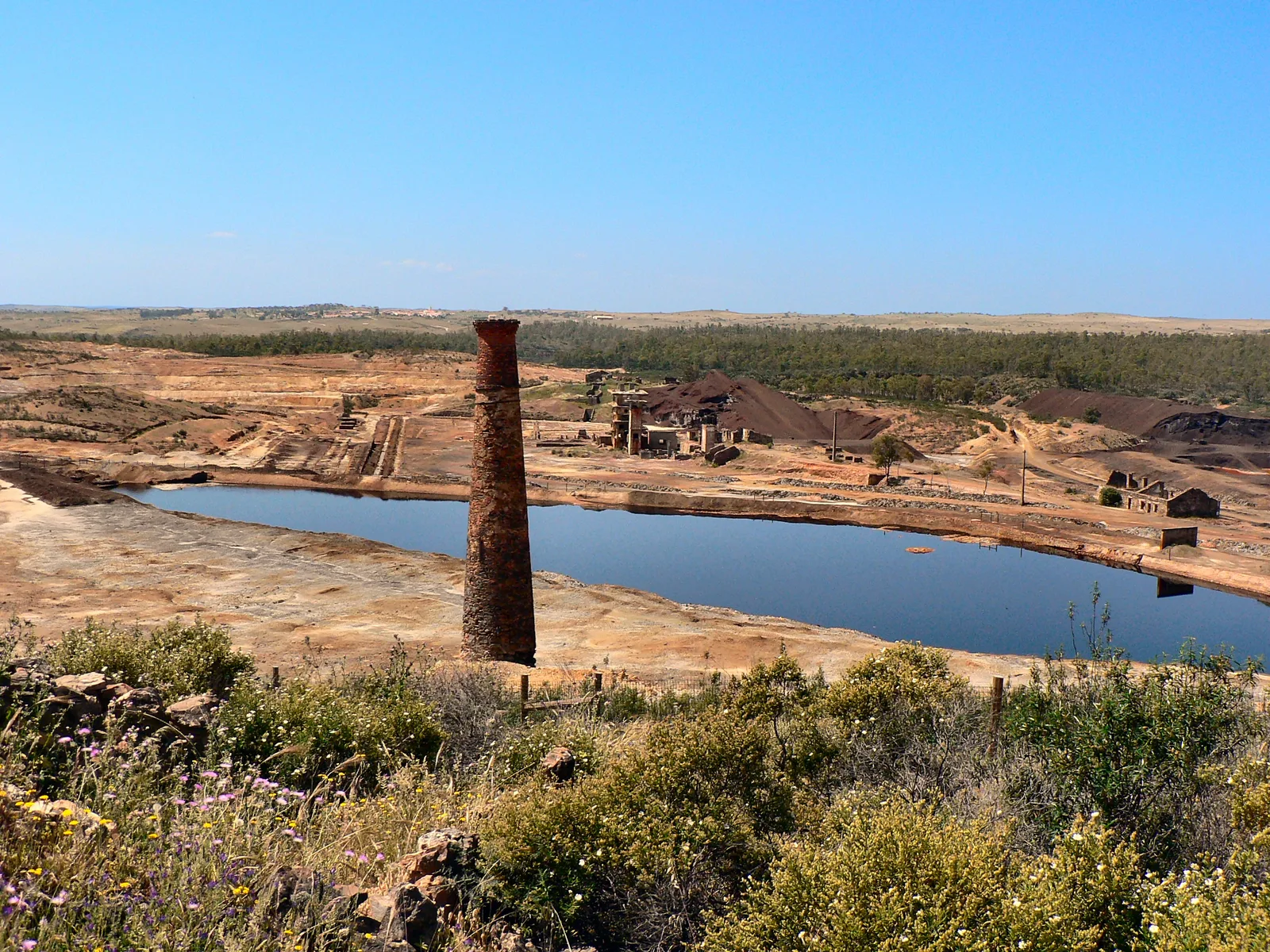
Worked since Antiquity and reopened on a grand scale in 1854 by an English company, the copper and pyrite mine of São Domingos, in Mértola, closed in 1966 and left behind a landscape that looks like another planet. The open pit filled with blood-red water, loaded with heavy metals; around it stand the ruined sulphur works, chimneys, a gutted power station and an endless slag heap. The modern village is still inhabited, but the entire industrial complex is abandoned and freely accessible. It's the most photogenic urbex spot in the Alentejo — see the historical entry on Wikipedia. More ruins on the urbex map of Portugal.
2. Monte Palace Hotel, Azores: the ghost five-star of Sete Cidades
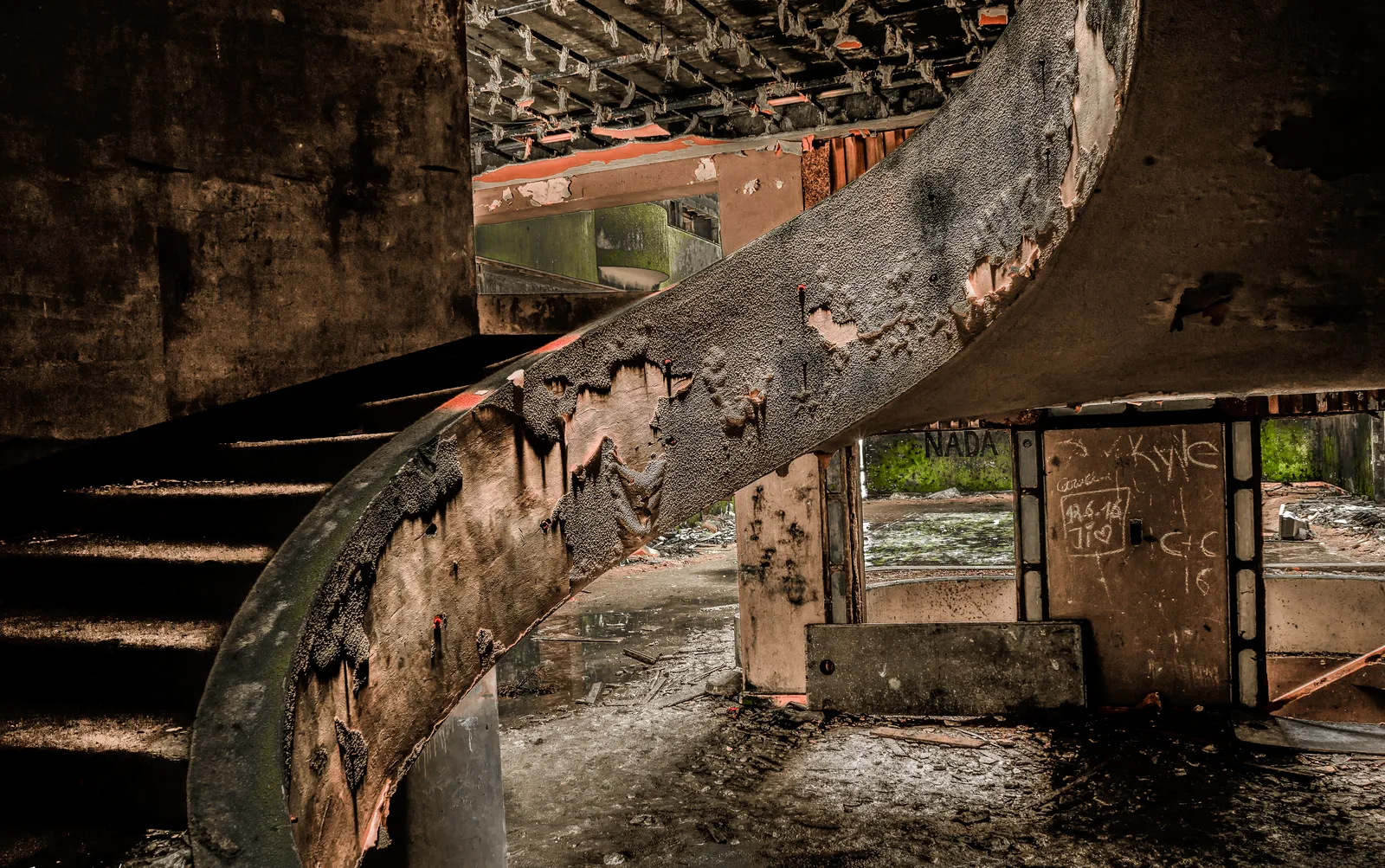
Opened in 1989 at the Vista do Rei viewpoint, the Monte Palace Hotel was a pharaonic five-star perched above the Blue and Green lakes of Sete Cidades. It cost a fortune and closed after just 18 months: constant fog, few guests, impossible accounts. Since 1990 it has been a looted, graffiti-covered concrete shell, swept by the wind off the caldera — Portugal's most famous island urbex. A refurbishment project was declared to be of public interest in 2024, but nothing has started (see the report on The Portugal News). Discover the Azores on the map of Portugal.
3. Sousa Martins Sanatorium, Guarda: the tuberculosis pavilions
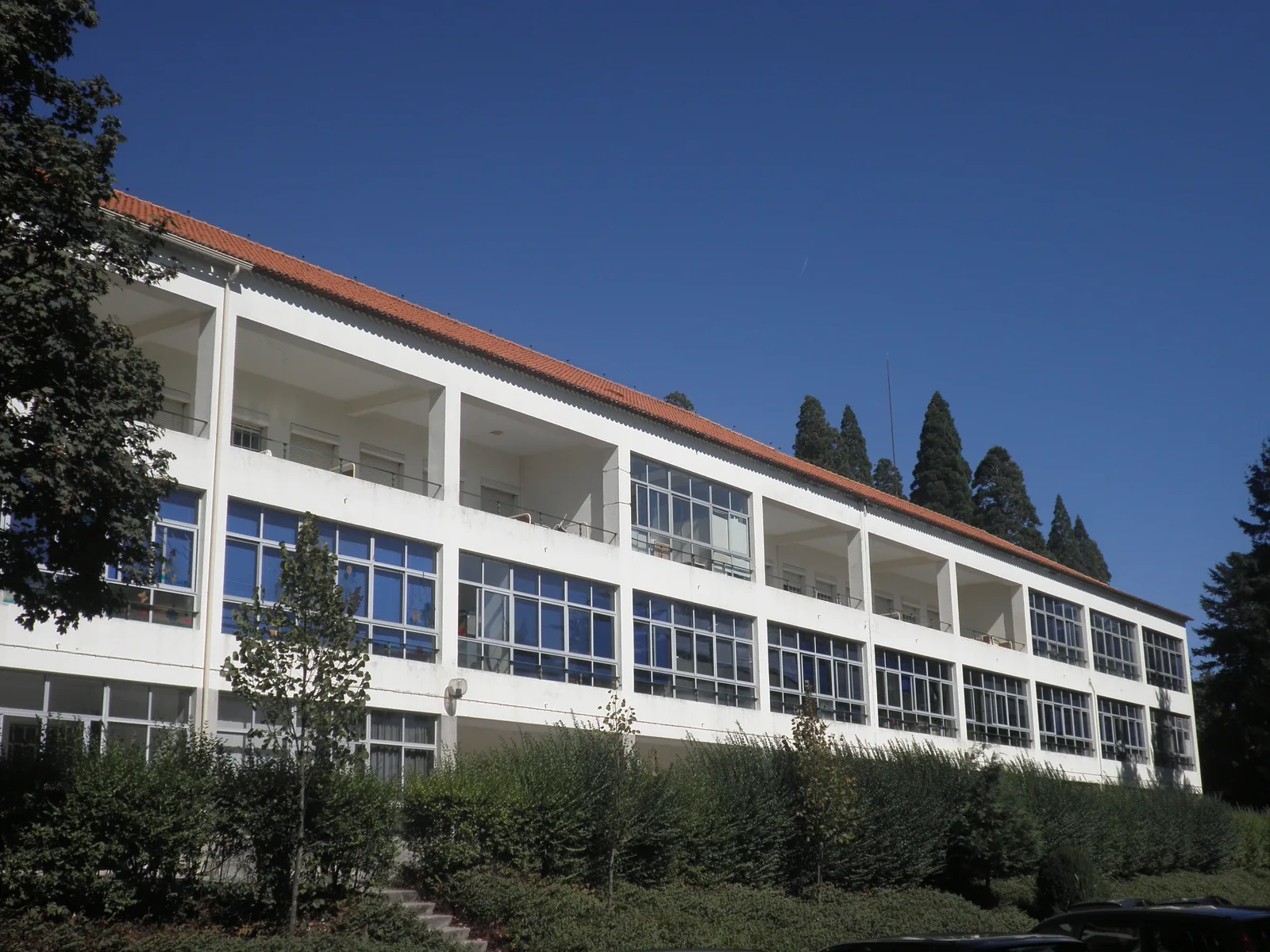
At 1,000 metres of altitude, the Sousa Martins Sanatorium was Portugal's first tuberculosis sanatorium (1907), chosen for the dry, cold air of Guarda. It grew until it became a small campus of pavilions, many designed by Raul Lino. As tuberculosis ceased to be a scourge, the historic buildings were gradually abandoned: today, some pavilions are in advanced ruin, with roofs partly collapsed in the winter of 2024, while a health park still operates right next door. It's one of the most photogenic urbex spots in the Beira Alta, though access is delicate. See the entry on Wikipedia.
4. Drave Village, Arouca: the schist village with no road
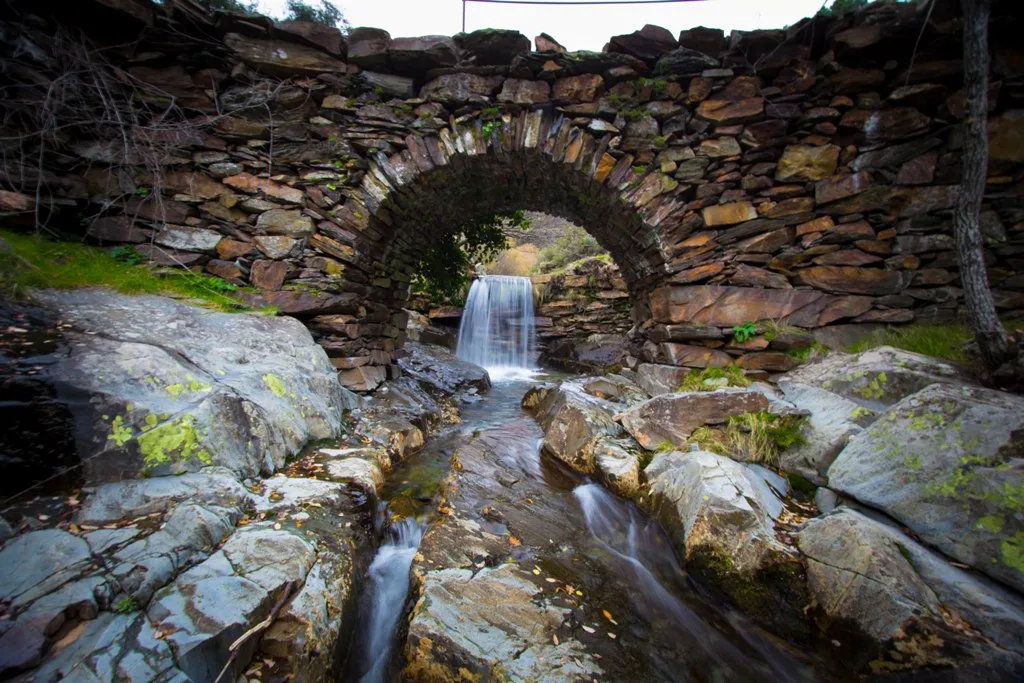
Tucked into the Serra da Freita, inside the Arouca Geopark, Drave is a schist village with no access road: you can only reach it on foot, along a trail of about 4 km. The last permanent resident left around 2000 and the village froze in time, among boulders and streams. Since 2003, the National Scout Corps has maintained and occupied some houses in high season, so it's better described as a partially tended ghost village than a sealed ruin. It's the archetype of the accessible abandoned village — ideal for a first outdoor urbex hike (more at idealista).
5. Royal Spinning Mill of Tomar, Santarém: 30 years of textile ruin
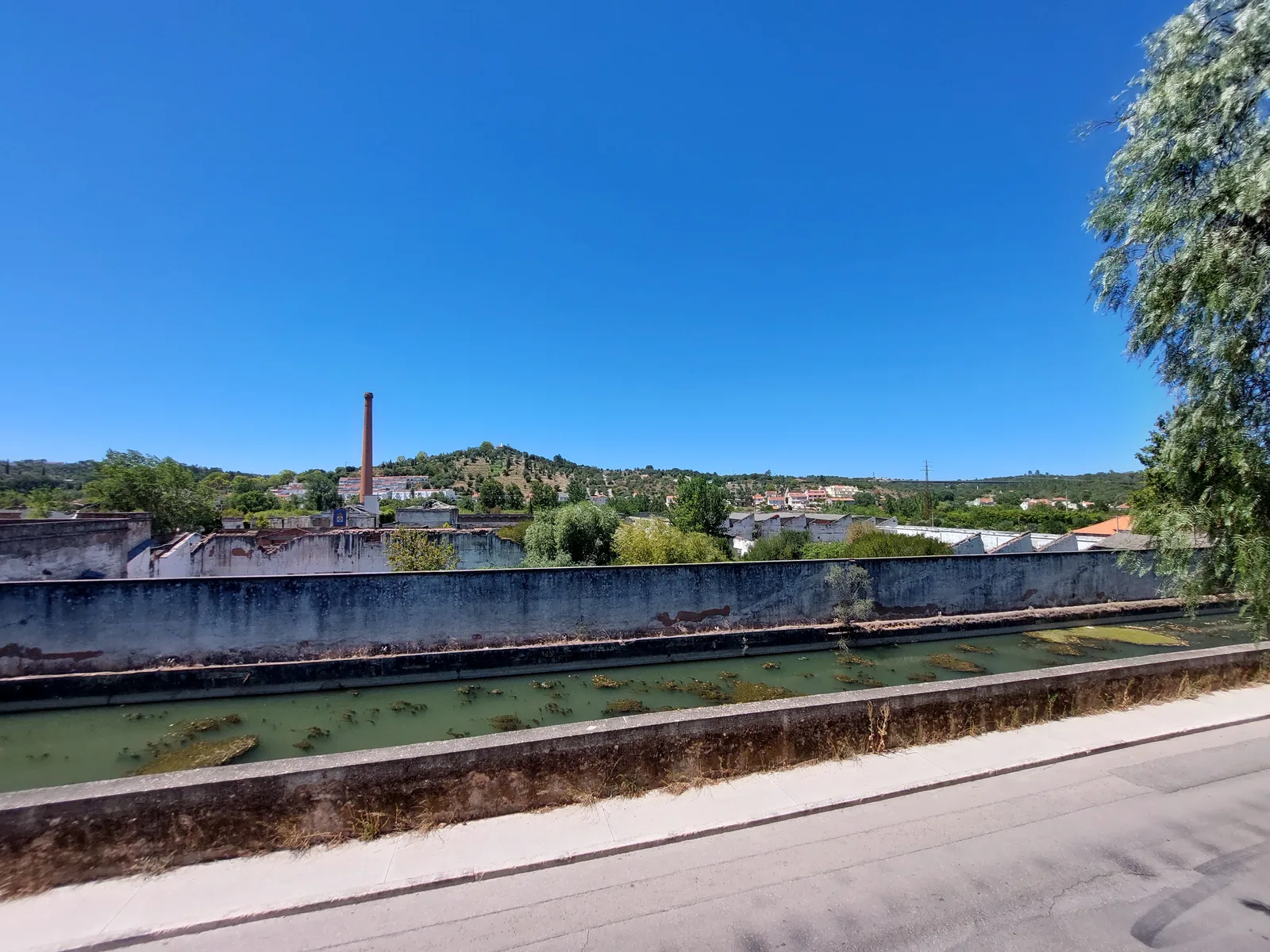
Founded in the 18th century on the banks of the Nabão river, the Royal Spinning Mill of Tomar was one of Europe's oldest cotton mills. It closed in 1993 and has now been abandoned for 30 years: roofless sheds, crumbling walls, rubble everywhere. Still standing intact are the tall brick chimney and the royal coat of arms on the façade. A plan has been promised to "turn the page" for it, but the works never began — the ruin remains right in the centre of Tomar (report in O Templário).
6. Radium Spa, Sabugal: the radioactive thermal hotel
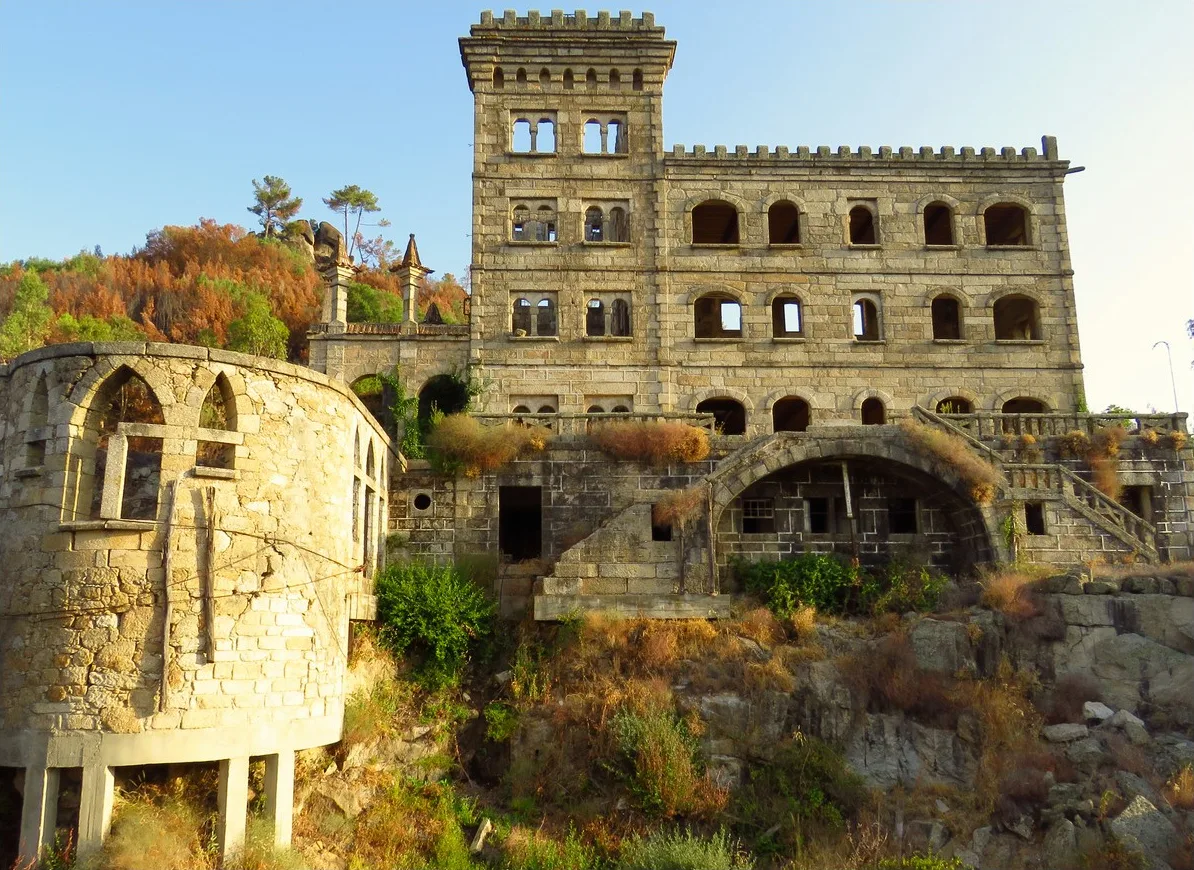
Near Sortelha, the Hotel da Serra da Pena grew up around a promise that is chilling today: radioactive waters, sold in the 1920s-30s as curative, among the most radioactive in Europe. The thermal hotel closed in 1945 and is today an isolated granite ruin in the mountains, with a luxury refurbishment project that never took off. The "abandoned radioactive spa" angle makes it one of the country's most singular urbex spots — a visit documented on Wikiloc in 2024.
7. Valflores Palace, Loures: the roofless Renaissance manor
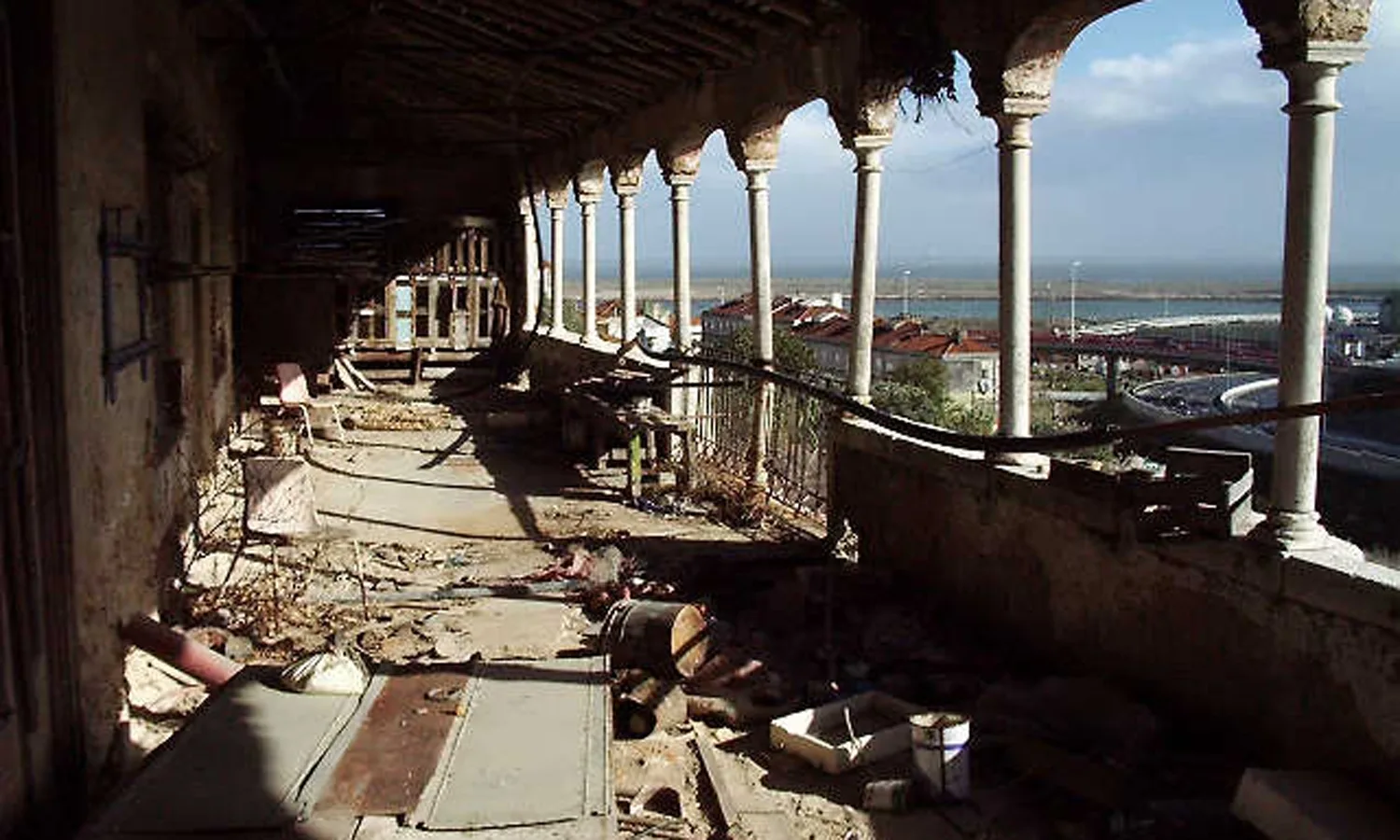
In Santa Iria de Azóia, right at Lisbon's doorstep, Valflores Palace is a 16th-century Renaissance manor long abandoned, today a roofless shell. Its state is so critical that Europa Nostra placed it, in 2015, on the list of the 14 most endangered monuments in Europe. There was a first phase of consolidation, but the works stalled and the ruin remains exposed. It's nearby urbex for anyone in the Lisbon region (context at ADA Loures). See also the abandoned places of Lisbon.
8. Jales Mines, Vila Real: the last gold mine
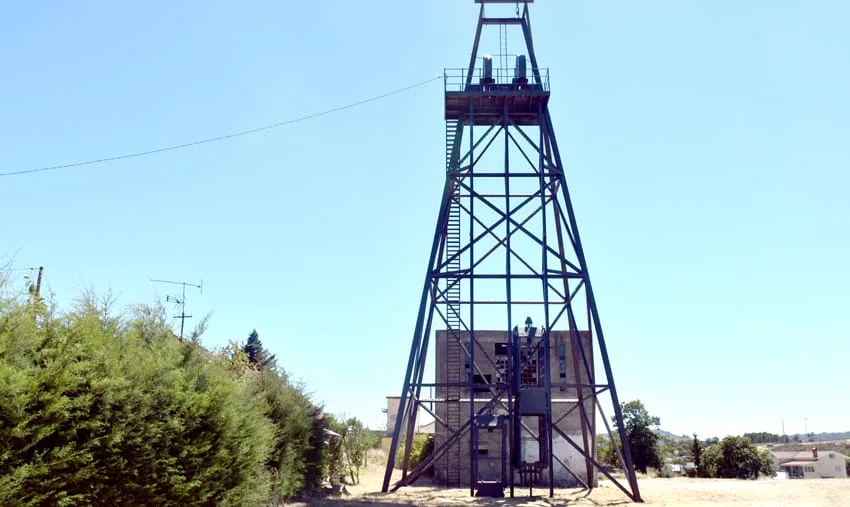
In Vreia de Jales, in the heart of Trás-os-Montes, lie the Jales Mines, Portugal's last gold mine, closed in 1992. Over the Santa Bárbara shaft still stands the extraction headframe, a metal silhouette dominating a mining field of slag heaps and ruined buildings. A small house was converted into an interpretation centre, but the essence of the site — shafts, headframe, spoil tips — remains abandoned. A strong, little-known industrial landscape (context in Público).
9. Herdade do Pereiro, Marvão: the forgotten casino village
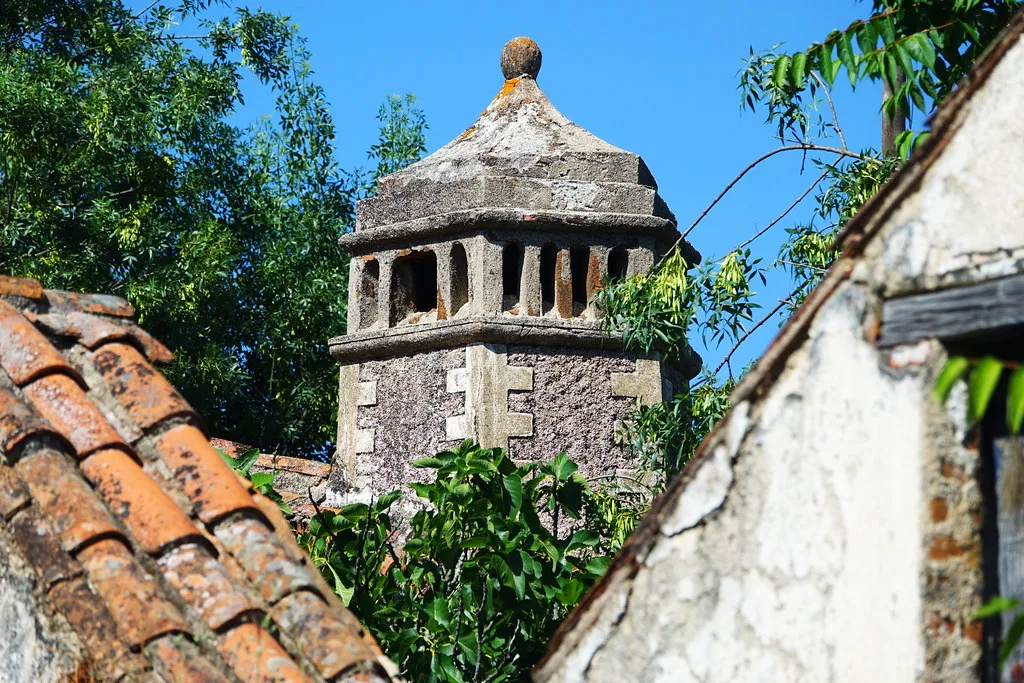
In the Serra de São Mamede, near Marvão, Herdade do Pereiro was an out-of-the-ordinary self-sufficient estate: chapel, school, the Fadagosa spa, an airfield and even the first legal casino in Portugal. Deserted since the 1990s, it is now for sale with "ruined roofs and vegetation invading everything". Few places combine such an unusual history with such varied ruins in a single site (listing and history at Alentrium). Rare urbex territory in the Alto Alentejo.
10. São Francisco Convent, Setúbal: the earthquake ruin
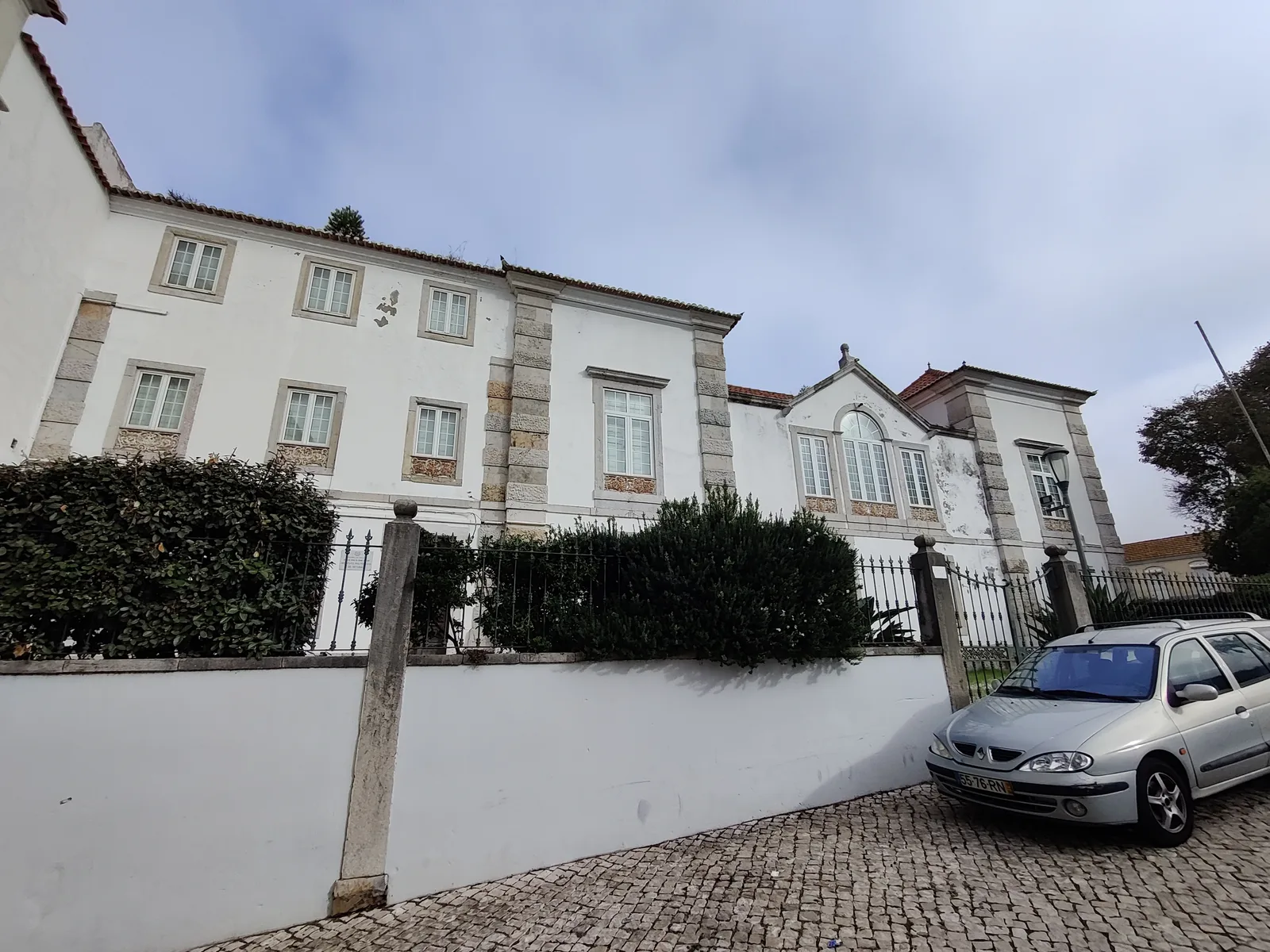
Founded in 1410, the São Francisco Convent of Setúbal was hard hit by the 1755 earthquake and never recovered. State-owned, it has stood empty and in ruin for more than 20 years: an attempt to sell it for 5 million euros in 2019-2020 found no buyer. The arcades and walls open to the sky make it one of the most accessible urban urbex spots south of Lisbon (context on CNN Portugal). Explore also the abandoned places of Faro and the Algarve.
Abandoned places in Portugal: frequently asked questions
Is it legal to explore abandoned places in Portugal?
Exploring isn't a crime, but almost all of these sites have an owner (private, municipal or state): entering without permission can amount to trespassing. Some, like the São Domingos Mine, Drave or the Jales field, are freely accessible outdoors; others, like the Monte Palace Hotel or the Radium Spa, are forbidden and explored clandestinely. Never force entries, don't damage anything, and leave if you're asked to.
What is the most famous abandoned place in Portugal?
The most talked-about is probably the Monte Palace Hotel, in the Azores — a five-star that closed after 18 months and dominates Sete Cidades. On the mainland, the São Domingos Mine, in the Alentejo, and the Valongo Sanatorium, in Porto, dispute the title for their scale and visual power.
How do I get the GPS coordinates for these places?
On each place above there's a card with an "Add to my map" button: when you click it, the exact GPS coordinate is saved to your personal My Map space, for free and with no credit card. You can then open everything on the free urbex map and browse by district.
Where are there more abandoned places in Portugal?
The big cities and the old industrial zones concentrate the best spots. We have dedicated guides to Lisbon, Porto, Braga, Coimbra and Faro, plus the complete map of Portugal with thousands of points.
Is it dangerous to do urbex at these places?
Yes, there are real risks: floors and roofs can give way, there's asbestos, glass and shafts (the mines are especially treacherous). Never go alone, bring a torch and sturdy footwear, tell someone your route and respect the barriers. The red water of São Domingos and the shafts of Jales, for example, are no joke.
Explore the urbex map of Portugal
These 10 places are just the tip of the iceberg. The urbex map of Portugal gathers thousands of geolocated points, from north to south and from the islands to the interior, each with its coordinate. Start with your region, add your favourites to My Map and set off to explore — with respect for the places and for your own safety.