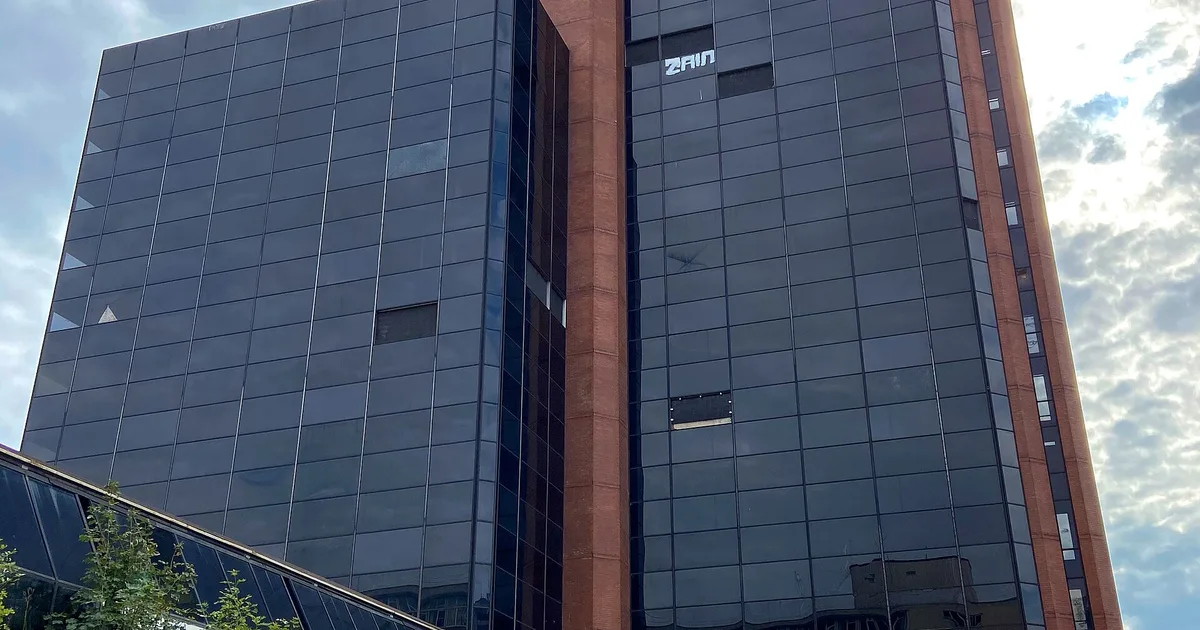
Abandoned places in Birmingham tell the story of a city that never stops rebuilding itself. Behind the cranes and the new towers, England's second city still hides a 1979 office block left empty for twenty years, Victorian warehouses rotting on the edge of Digbeth, a Grade II listed hospital slowly falling apart on Broad Street and a burnt-out Art Deco cinema in Harborne. On our map, thousands of geolocated spots cover the United Kingdom and the wider West Midlands.
For this guide we picked 4 places that are genuinely abandoned and still standing in 2026, each checked one by one. Birmingham is a hard city for urbex: the regeneration is relentless, and many "famous" spots from old listicles have already been demolished or refurbished. So no fabricated cinemas, no demolished factories passed off as live spots, no site we could not confirm. Under each entry, an "Add to my map" button saves the GPS coordinates to your personal account, for free and with no credit card.
The queries abandoned places Birmingham, abandoned buildings in Birmingham, derelict buildings Birmingham, urbex Birmingham and urban exploration West Midlands all point to the same reality: an industrial, civic and commercial heritage that history set aside, and that photographers, urbexers and historians are documenting before the bulldozers arrive. This guide gives you each site's dated history, its 2026 status, its legal situation and its real dangers, before handing you its coordinates.
Free Birmingham urbex: why Urbex Maps changes the game
Before the spots, a word on what makes this guide different. Most sites that talk about free urbex in Birmingham put "free" in the title, then redirect you to a paid forum or a closed Telegram group. Worse, several of the most-shared Birmingham listicles are pure AI filler that invent places that never existed. Here the promise is concrete: under each place, an "Add to my map" button sends the GPS coordinates to your personal account, with no subscription and no credit card.
Behind the map is a community of more than 40,000 explorers, active since 2021. Every coordinate is checked at least twice - by the contributor who submits it, then by a regional moderator who confirms the spot still exists and has not been walled up or knocked down. The places offered in this article are part of that catalogue; the rest of the thousands of UK spots are unlocked through packs that fund the moderation and field verification.
One reminder before you set off: urbex is not illegal in itself, but entering private land or a building without permission is trespassing, and any damage or forced entry can become criminal. We document these places for their history; we never encourage breaking in. Helmet, torch, sturdy boots and caution on the floors: several of the spots below carry real collapse, fire-damage or asbestos risks.
1. Five Ways Tower - the 23-storey skyline ghost (Edgbaston)

At the busy Five Ways junction in Edgbaston, a 23-storey concrete tower has been staring blankly over the city since 2005. Completed in 1979 as offices for the Midland Bank, Five Ways Tower was evacuated after years of complaints about ventilation and "sick building syndrome", and it has stood empty ever since. Twenty years of emptiness make it one of the most visible abandoned buildings in central Birmingham, hidden in plain sight above a roundabout that tens of thousands of people pass every day.
The interior is a time capsule of late-1970s corporate Britain: original lifts, dropped ceilings, brown carpet tiles and panoramic windows that turn the whole West Midlands into a viewing platform. The status is moving fast - the Five Ways redevelopment scheme demolished the adjacent multi-storey car park and part of the neighbouring block by April 2025, and the tower itself is earmarked to follow. As of 2026 it is still standing, secured and privately owned inside an active redevelopment site, so access is not authorised and trespass on a construction site carries serious risk. This is a spot to read about and photograph from the street, not to climb. Five Ways Tower is the clearest symbol of Birmingham urbex: a modern landmark that the city has not yet decided how to bury.
2. Bradford Street - the rotting warehouses of Digbeth

On the southern edge of Digbeth, Birmingham's old industrial heart, a whole block of early-1900s brick warehouses on Bradford Street stands empty and graffiti-covered. The most imposing frontage belonged to George J. Mason Ltd, a grocery chain whose headquarters moved onto Bradford Street in 1922, complete with a large decaying clock on the facade. Behind the brickwork lie collapsing floors, debris and the layered tags of years of explorers - the archetypal Digbeth wasteland.
The block was bought in 2022 for a 503-flat redevelopment that would keep only the historic facade, but the developer fell into administration, so as of 2026 demolition is not imminent and the buildings remain a derelict, hazardous urbex site. This is private property, unsecured in places: trespassing, with serious risks from rotten floors, falling masonry and broken glass. Bradford Street is the most authentic slice of raw, unrestored Digbeth urbex left in the city - exactly the kind of place that regeneration usually erases first.
3. The Lying-In Hospital, Broad Street - two centuries falling apart

At 80 Broad Street, in the middle of Birmingham's nightlife strip, sits one of the city's oldest surviving buildings, now visibly decaying. Built in 1814 as the Islington Glassworks, it became the Birmingham Lying-In Hospital (a maternity hospital for poor women) from 1842, gained wings in 1863 and ornate railings by Martin and Chamberlain in 1869, and was later used by the Royal Orthopaedic Hospital before a run of bars and clubs. It is Grade II listed (Historic England 1075733).
Since the last nightclub closed in 2019, the building has stood empty: plants now grow from the brickwork and the facade is increasingly dilapidated. A 42-storey tower proposed over it was refused in June 2024, and in November 2024 the Victorian Society called for an Urgent Works Notice to stop further decay. As of 2026 it is still standing, listed and empty - a rare survivor on a street that has been almost entirely rebuilt. It is secured and not accessible: a spot to photograph and decode from the pavement, reading two centuries of Birmingham history in one decaying frontage.
4. The Royalty Cinema, Harborne - the burnt-out Art Deco screen

On the corner of High Street and Greenfield Road in Harborne, the Royalty Cinema is the real abandoned Art Deco picture house of Birmingham (the "Grand Cinema" of the listicles never existed). Designed by architect Horace G. Bradley and opened on 20 October 1930 with around 1,500 seats, it joined the ABC chain in 1935, closed as a cinema in 1963, then ran as a bingo hall until around 2012. It is Grade II listed.
A major arson fire on 19 September 2018 destroyed the roof and auditorium, and further fires (including a fresh arson in July 2025) have left it a burnt-out, derelict shell. Historic England has opposed demolition and a restoration scheme has in-principle support, but nothing has been rebuilt, so as of 2026 the cinema still stands as a fire-damaged ruin. It is listed, fire-damaged, dangerous and secured: an extremely hazardous structure to be documented strictly from the outside. The Royalty is Birmingham's reminder that an Art Deco landmark can be lost not to the wrecking ball but to a single match.
FAQ - Abandoned places in Birmingham
Is urbex legal in Birmingham?
Urban exploration is not illegal in itself, but entering private land or a building without permission is trespassing, and any damage or forced entry can become a criminal offence. Most Birmingham spots are private, listed or inside active redevelopment sites: we document them for their history, without ever encouraging break-ins. Always research a site's legal status before you go.
Are these Birmingham spots still standing in 2026?
Yes - that is the whole point of this list. We deliberately excluded famous spots that no longer exist, such as the demolished Lucas factories, the Birmingham Battery (now a shopping park) and the AI-invented "Grand Cinema" and "Monarch Laundry". Each of the four places here was confirmed still standing and derelict in 2025-2026, with the caveat that Five Ways Tower sits inside an active demolition scheme and could go at any time.
Where can I find other abandoned places around Birmingham?
Our map lists spots across the United Kingdom and the wider West Midlands (Sandwell, Walsall, Dudley, Wolverhampton). You can add the four places in this article to your personal map for free via the button under each entry, then unlock the rest through our regional packs.
What gear do I need to explore Birmingham's derelict buildings?
For fire-damaged shells like the Royalty Cinema, an FFP3 mask, a helmet and sturdy boots are essential, along with a powerful torch for windowless interiors. Old industrial buildings on Bradford Street add the risks of rotten floors and falling masonry. Our urbex gear guide covers the essentials to start safely.
Why are so many Birmingham landmarks abandoned then demolished?
Birmingham has one of the most aggressive urban regeneration programmes in the UK, so derelict buildings rarely sit still for long: they are either knocked down or refurbished within a few years. That is why an honest, dated guide matters - several "abandoned Birmingham" lists online still feature places that were demolished years ago.
Conclusion: Birmingham, a city that buries its ruins fast
From a 1970s tower over Edgbaston to a Georgian glassworks on Broad Street, abandoned Birmingham is a moving target: every ruin here is on borrowed time, caught between regeneration, fire and neglect. These places are not stage sets - they are open-air history books, fragile, to be explored with respect and without damage. Add them to your map, and carry on your exploration on the United Kingdom map or with our free urbex map.