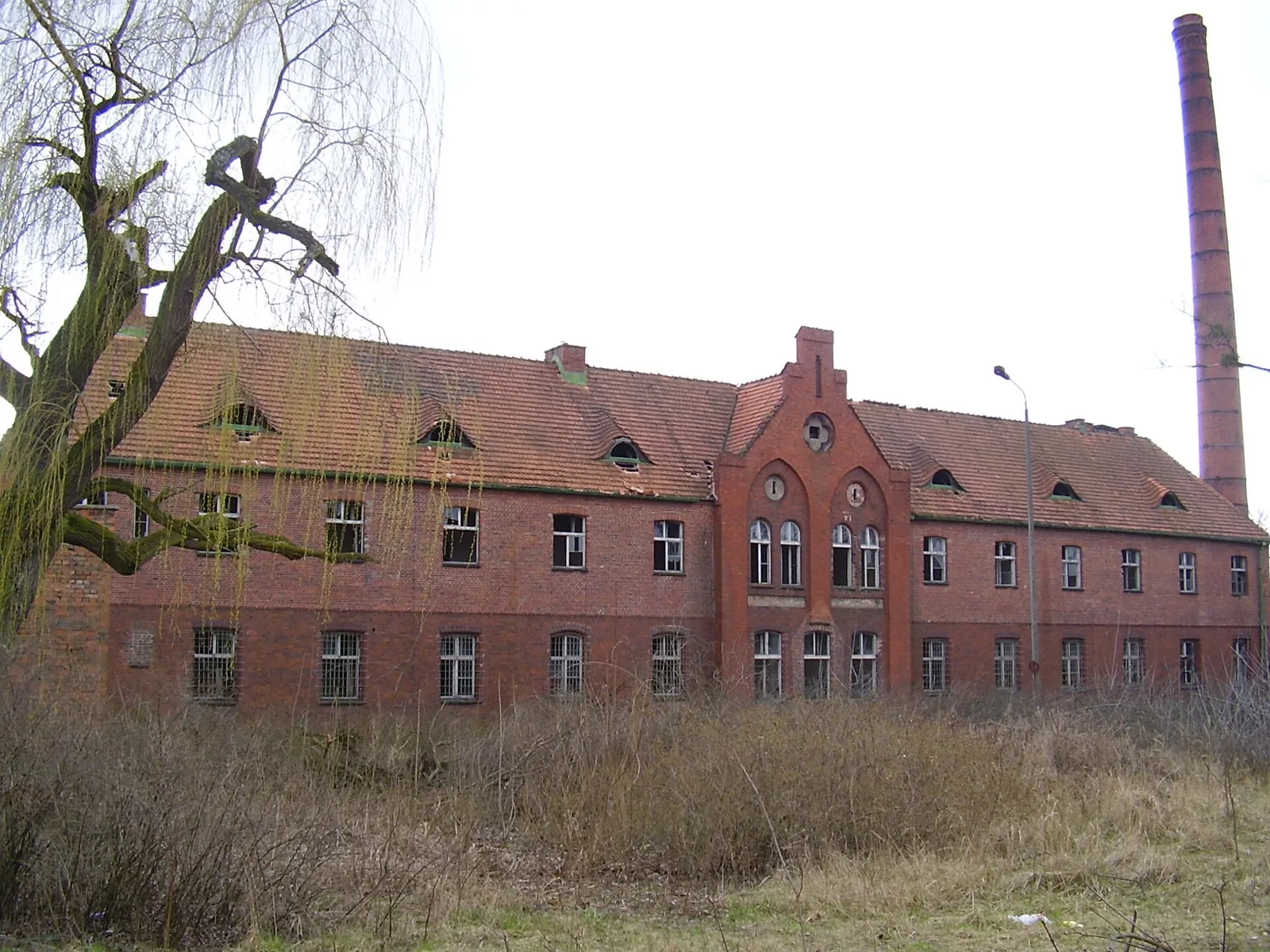
Poznań has its dark, abandoned side: the ZNTK railway works currently being torn down, the monumental psychiatric hospital in Owinska with its tragic history, the overgrown Edmund Szyc stadium and the Prussian Fort VII, the first concentration camp on occupied Polish soil. These are places with a heavy memory, often tied to the crimes of World War II. Our map covers hundreds of abandoned places in Wielkopolska, and in this guide we picked the four most important ones in Poznań and the surrounding area.
We checked each of them separately: all of them are still standing in 2026, though the excavators are already at work on ZNTK. Under every entry, the "Add to my map" button saves the GPS coordinates to your account, for free and with no payment card. The searches urbex Poznań, abandoned places Poznań and zntk poznań urbex lead right here. See all the abandoned places in Poznań on the interactive urbex map →
Urbex Poznań for free: why Urbex Maps changes the rules of the game
Most lists of "abandoned places in Poznań" end with a redirect to a closed group, where you only get the coordinates if you know someone. With us, under each place there is an "Add to my map" button that saves the GPS point to your account, for free and with no card. Our community has over 40,000 explorers and has been running since 2021, and every coordinate is checked at least twice before it lands on the map. Free spots are free; paid packs fund the moderation. Keep in mind that two of these places (Owinska, Fort VII) are memorial sites, so visit them with respect.
Why some places did not make this list
Let's be honest: many of Poznań's "classics" are no longer abandoned. The former Gazownia gasworks on Grobla has been partly revitalised into offices and event space, and the many forts of the Poznań Fortress are either filled in or repurposed. Fort VII itself is not a "wild" spot but an official martyrology museum, we included it here because of its historical weight, but you visit it legally, with a ticket. So we kept the places that in 2026 truly stand abandoned or are an important memorial site.
1. The ZNTK works: a railway urbex icon being demolished
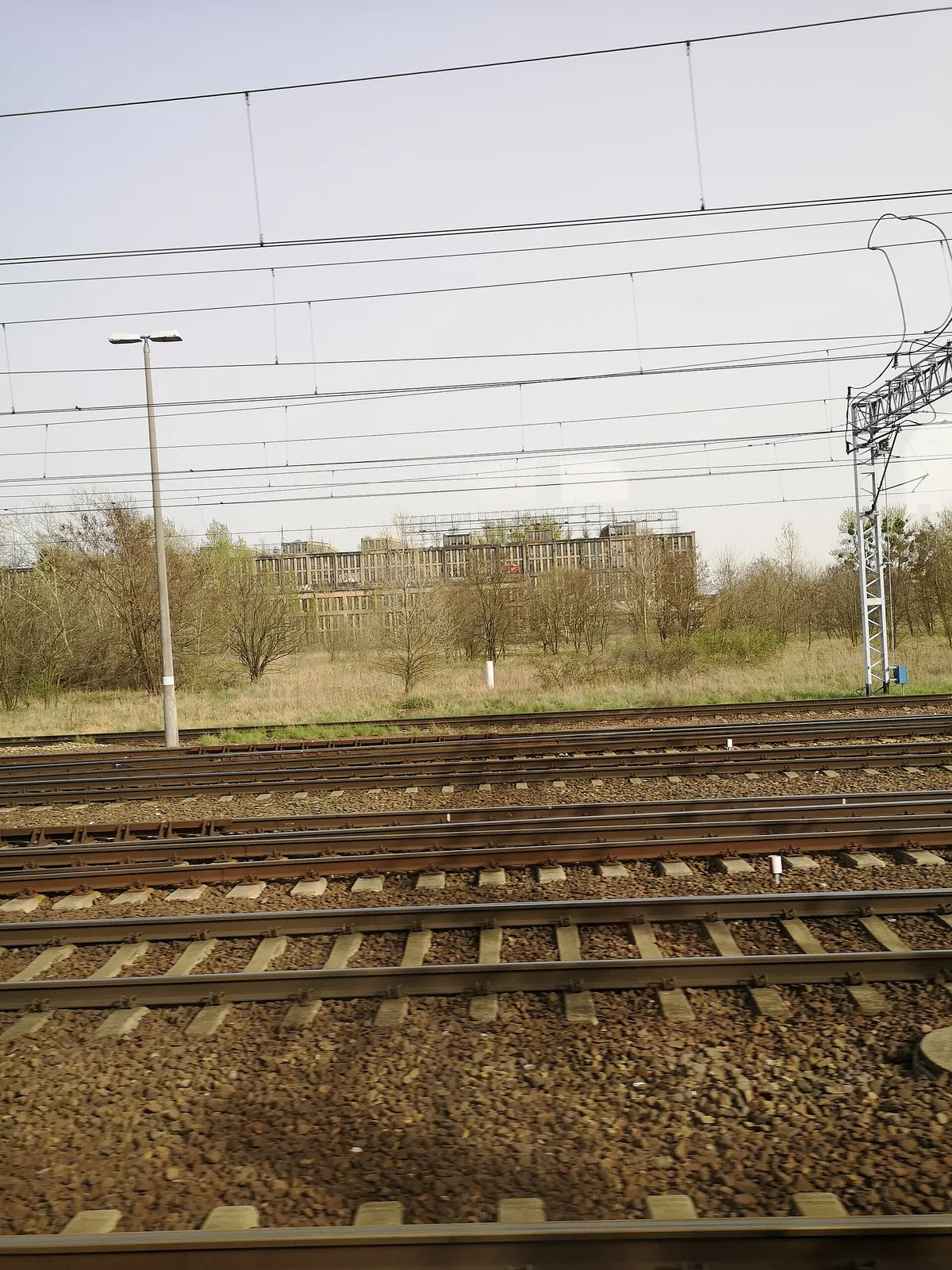
In Wilda, on Robocza Street, lies the site of the former Poznań Railway Rolling Stock Repair Works (ZNTK), for years the most famous target of Poznań urbex. The works date back to 1870; in the 1980s more than 4,400 people worked here, and the site was one of the locations of the Poznań June 1956 uprising. Production was finally halted in 2012, and the works have been in liquidation since 2018.
This place is on the way out: the site (about 200 ha of sidings and halls) was bought by a developer for a new "Wolne Tory" district, and since mid-2025 demolition has been under way, in autumn 2025 more halls were torn down, even though nine buildings listed in the heritage register are to be preserved. The site is fenced, guarded and very dangerous. Better to look at it from the outside, especially as the landscape changes from month to month. More places on our Poznań urbex map.
2. The Owinska hospital: an abandoned asylum with a tragic past
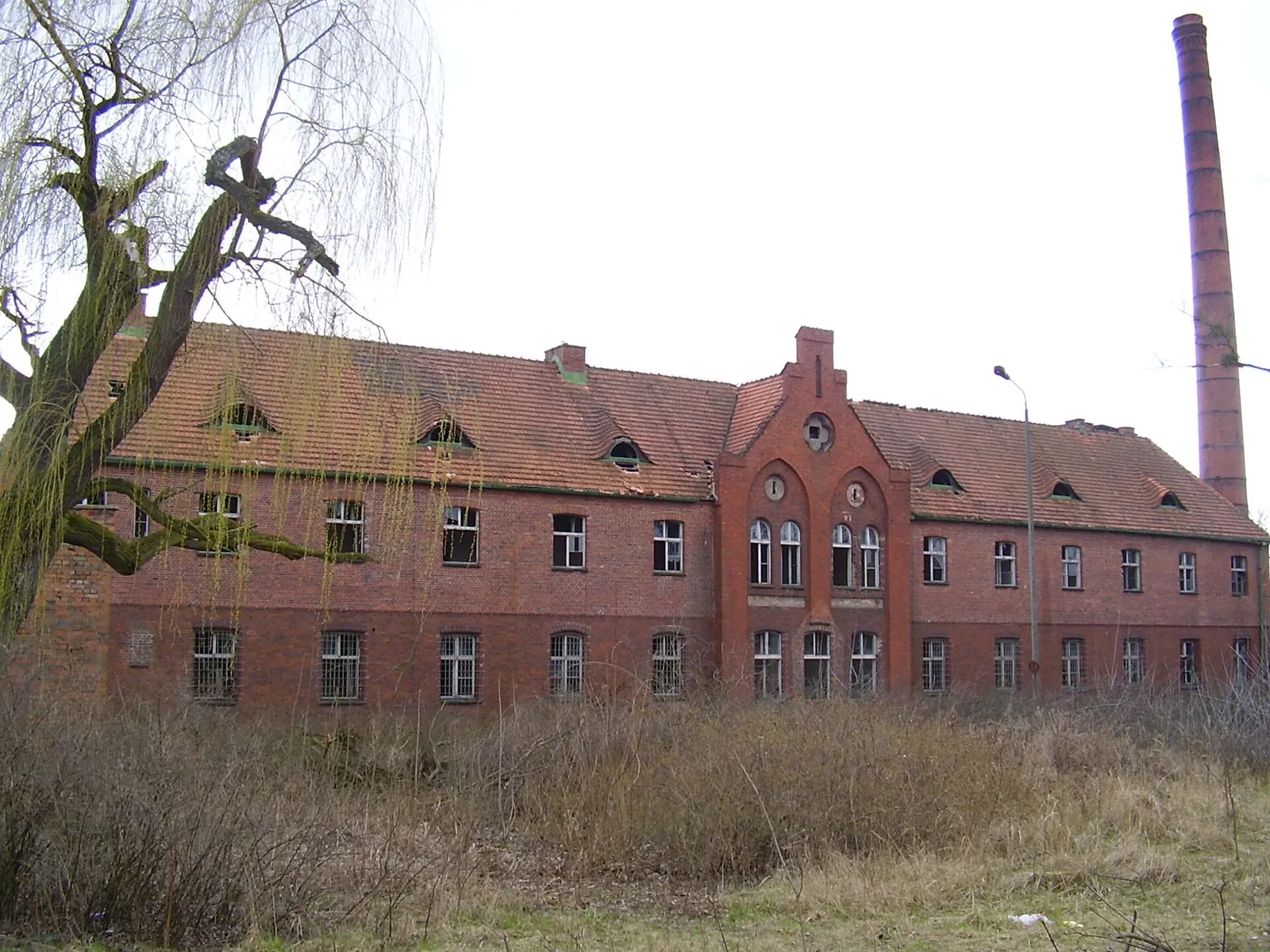
In Owinska, about 12 km north of Poznań, in the municipality of Czerwonak, stands a monumental, abandoned psychiatric asylum. It was founded in 1838 under Prussian administration; in 1911 it had 750 beds and was one of the best-equipped psychiatric hospitals in all of Germany.
Owinska has a dark chapter, though: in October 1939 it was here that the SS-Sonderkommando Lange carried out the first "euthanasia" operation (Aktion T4), murdering about 1,100 patients. After the war a youth correctional centre operated here until 1993, and then the building stood empty. Today it is a ruin in private hands, with no renovation plan, partly at risk of collapse and guarded. It is a memorial site, so visit it with respect. More places on our Poznań county urbex map.
3. The Edmund Szyc stadium: Warta's stadium swallowed by greenery
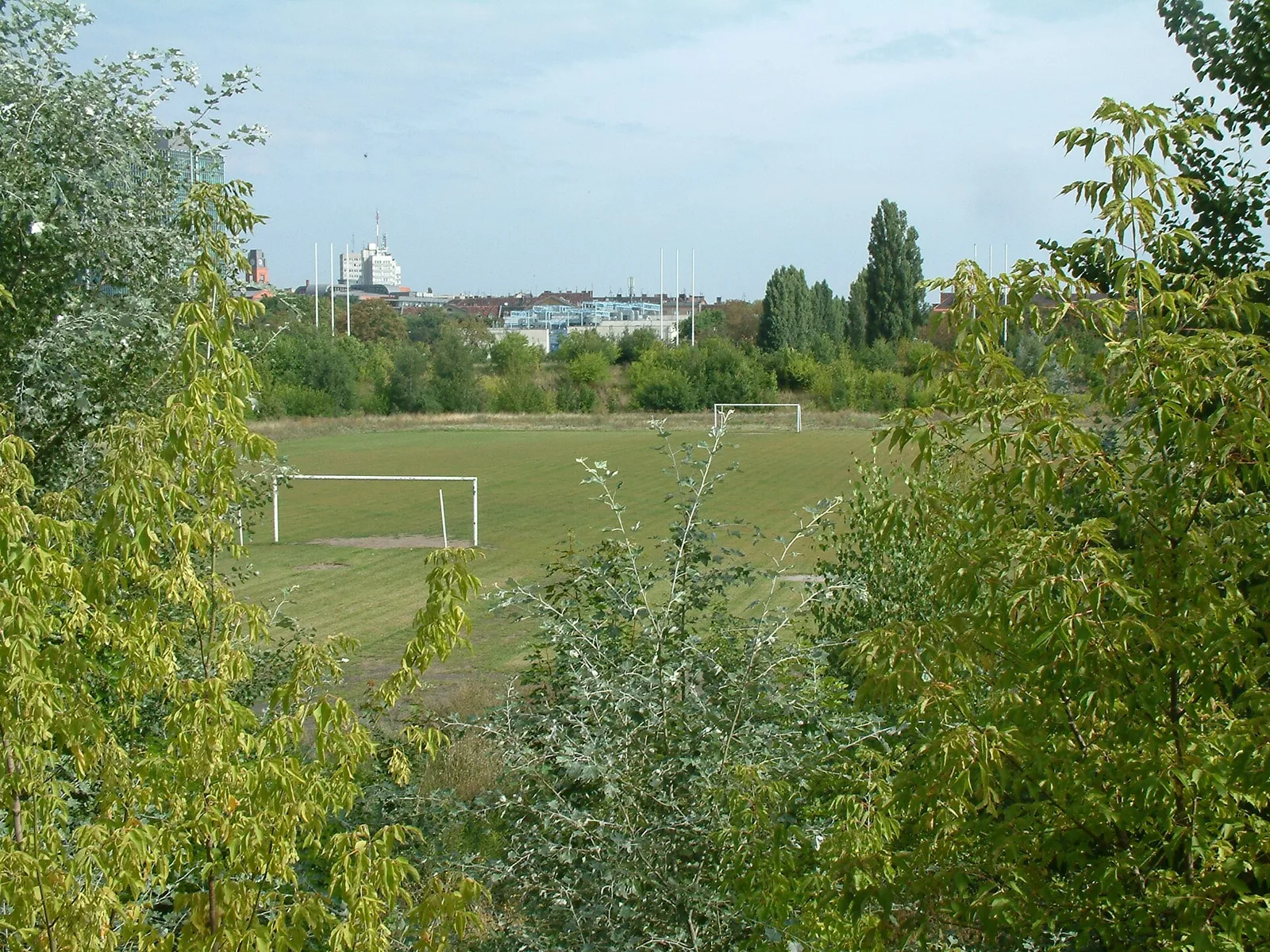
Above Wilda, on Dolna Wilda, lies the Edmund Szyc Stadium, the former arena of Warta Poznań swallowed by nature. It was built in 1929 for the General National Exhibition (PeWuKa); after the 1950s rebuild it held about 60,000 spectators, and the attendance record reportedly reached 80,000 during the Peace Race.
After Lech moved to the stadium on Bulgarska Street (1980) the venue declined, and in 1995 it was closed and abandoned. Today trees are splitting the stands apart, the seats are gone, and the pitch has been replaced by thickets. The site is fenced, and the city plans a Wilda Park in its place, but in 2026 it is still one of the most famous abandoned places in Poznań. More places on our Poznań urbex map.
4. Fort VII: the first Nazi camp on Polish soil
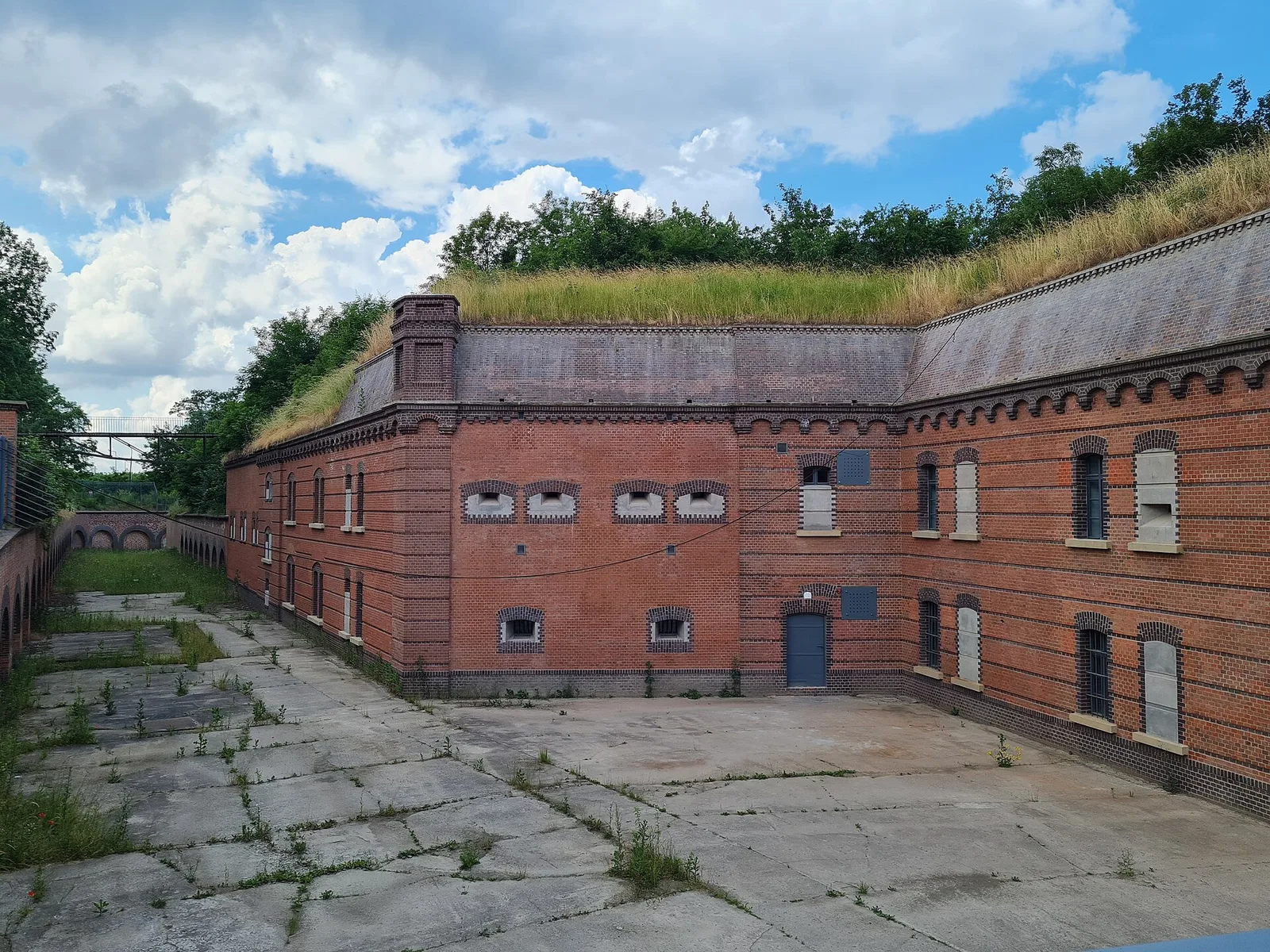
In Wola, on Polska Street, stands Fort VII (the former Fort Colomb), part of the Prussian Poznań Fortress built between 1876 and 1880. This is the place with the heaviest history in this lineup: on 10 October 1939 the Germans set up here the first concentration camp on occupied Polish soil (Konzentrationslager Posen), with the first experimental gas chamber, linked to the crime in Owinska.
Thousands of victims passed through the fort; until 1944 a Gestapo prison and a transit camp operated here. Since 1979 it has housed the Wielkopolska Martyrology Museum, and between 2018 and 2023 the fort was thoroughly renovated and given a new exhibition. Unlike the other places, this is not a spot for wild exploration but a museum that you visit with a ticket, and with due gravity. More places on our Poznań urbex map.
FAQ - Urbex Poznań
How many abandoned places are there in Poznań?
On our Poznań and Wielkopolska urbex map you will find hundreds of verified spots: abandoned forts of the Poznań Fortress, railway buildings, hospitals and former industrial works.
Is urbex in Poznań legal?
Exploration itself is not a crime, but entering private or fenced property (like ZNTK or the Szyca stadium) can be an offence. Fort VII and some of the sites are public property or memorial sites. Respect no-entry signs and don't destroy anything.
Are these places dangerous?
Yes. ZNTK is an active demolition site with rubble and heavy machinery, and the Owinska hospital is at risk of collapse. Never explore alone, carry a torch and a charged phone, and don't step on floors that are about to give way.
What is left of ZNTK in 2026?
Some of the halls have already been demolished for the "Wolne Tory" district, but nine heritage buildings are to be preserved and revitalised. The landscape is changing fast, so check the current state of the site before you visit.
Can you visit Fort VII?
Yes, Fort VII is today the Wielkopolska Martyrology Museum, open to visitors with a ticket. It is a memorial site for the victims, not a target for wild exploration, you visit it legally and with respect.
Where can you find more abandoned places in Poznań?
On our free urbex map and on the Poznań map you will find hundreds of spots. Under each free point click "Add to my map" to save the GPS coordinates to your account.
Summary: a city of fortress and memory
Poznań's abandoned places bear the mark of history: the Prussian Poznań Fortress, the city's railway might and the crimes of World War II. These four places are only the beginning. Explore responsibly: respect no-entry signs and memorial sites, don't step on floors that are about to give way, and leave no trace. To discover more, head to our Poznań urbex map and save the coordinates for free in your personal map.