Kraków is known for Wawel Castle and the Cloth Hall, but it also has a second, abandoned face: the overgrown Liban quarry at the foot of the Krakus Mound, the ring of Austrian forts of Fortress Kraków crumbling on the outskirts, and a train graveyard rusting on a siding in Płaszów. These are places with a dark history, far off the tourist trail. Our map covers hundreds of abandoned places in Lesser Poland, and in this guide we picked the three strongest ones in Kraków itself.
We checked each one separately: they are all genuinely abandoned and still standing in 2026, unlike the Kraków forts that have been turned into cultural centers. Under each entry, the "Add to my map" button saves the GPS coordinates to your account, for free and with no payment card. The searches urbex Kraków, abandoned places Kraków and lost places Kraków lead right here.
See all the abandoned places in Kraków on the interactive urbex map →
Urbex Kraków for free: why Urbex Maps changes the rules of the game
Most lists of "abandoned places in Kraków" end by pointing you to a closed group, where you get the coordinates only if you know the right people. With us, under each place there is an "Add to my map" button that saves the GPS point to your account, for free and with no card. Our community has over 40,000 explorers and has been running since 2021, and every coordinate is checked at least twice before it lands on the map. Free spots are free; paid packs fund the moderation.
Why some famous places did not make this list
Let's be honest: a few "classics" of Kraków urbex are no longer abandoned. Fort 49 Krzesławice now houses a Youth Cultural Center, and Fort 52 Borek was renovated between 2013 and 2022 and is a branch of the Podgórze Cultural Center. The brutalist Hotel Forum operates as an event space (and in October 2025 its listing in the heritage register was announced), while the former Zakrzówek quarry was turned into a park with a bathing area. So we left only the places that, in 2026, truly stand abandoned.
1. Liban Quarry: a limestone ravine with a dark history
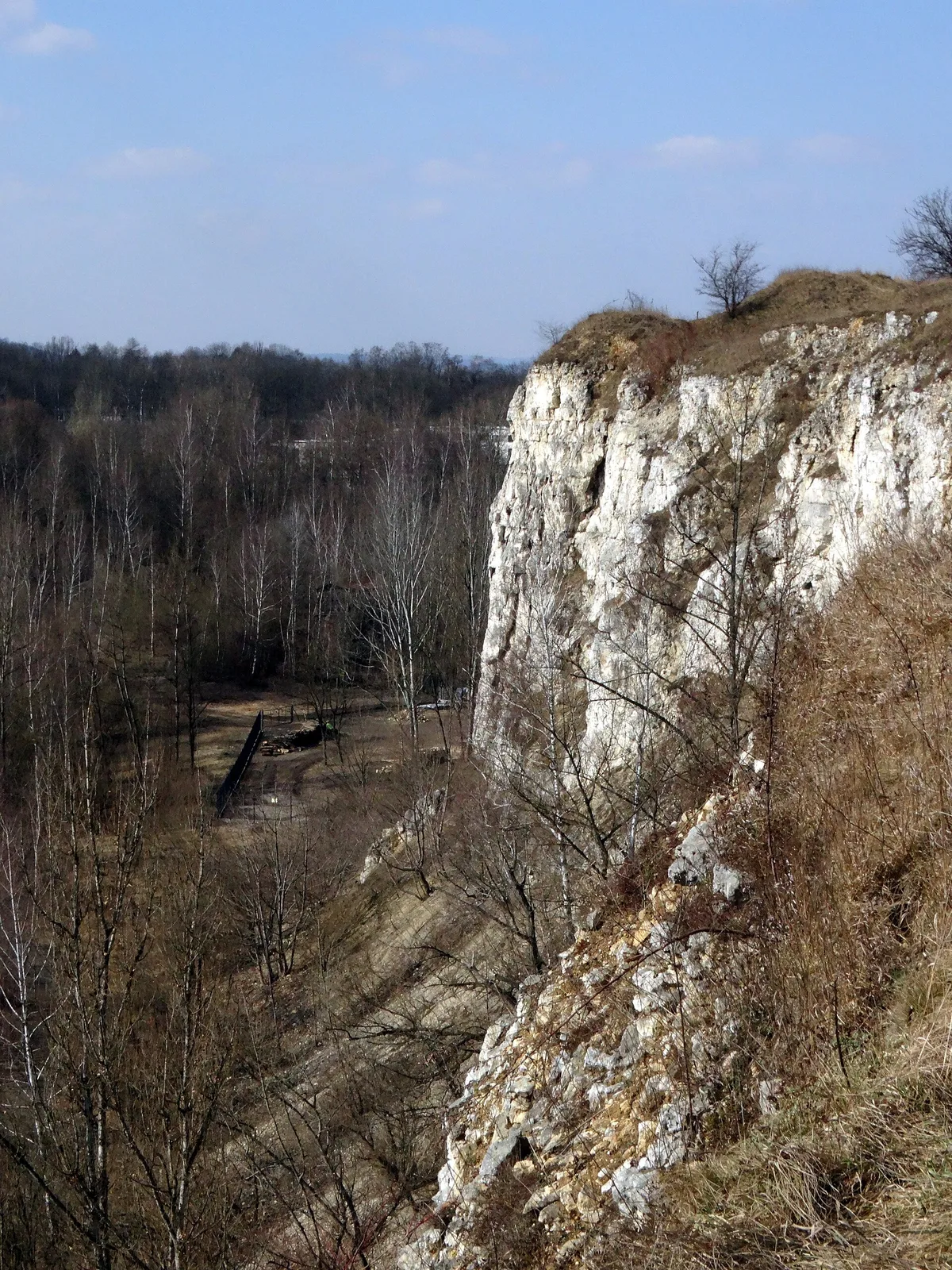
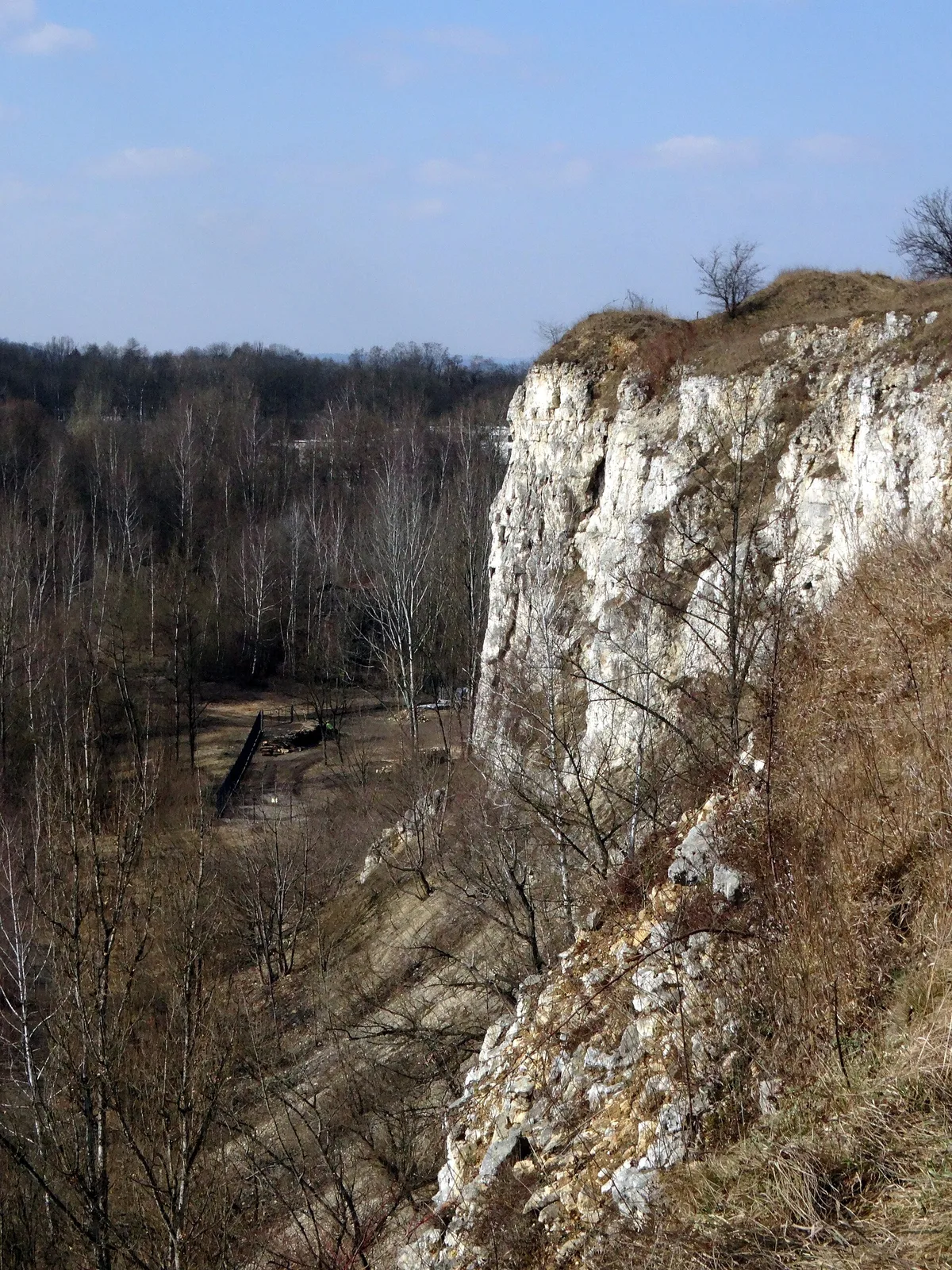
At the foot of the Krakus Mound, in Podgórze, stretches the Liban quarry, one of the most atmospheric abandoned corners of Kraków. Limestone was mined here from 1873; the quarry was founded by two Jewish industrialist families from Podgórze, the "Liban i Ehrenpreis" company. Between 1942 and 1944 the German occupiers ran a penal labor camp (Baudienst) here, through which more than 2,000 prisoners passed.
In 1993 Steven Spielberg built the set for "Schindler's List" here, recreating the camp in Płaszów (34 barracks, watchtowers, a replica of Amon Goeth's villa); some of these sets still mix today with the real ruins and machinery. Since August 2022 the quarry has been an ecological site, which protects it from development but does not close it to visitors; exploration is at your own risk (steep walls, hidden scrap metal). Find more places on our Kraków urbex map.
2. Fort 50 Prokocim: an abandoned fort of Fortress Kraków
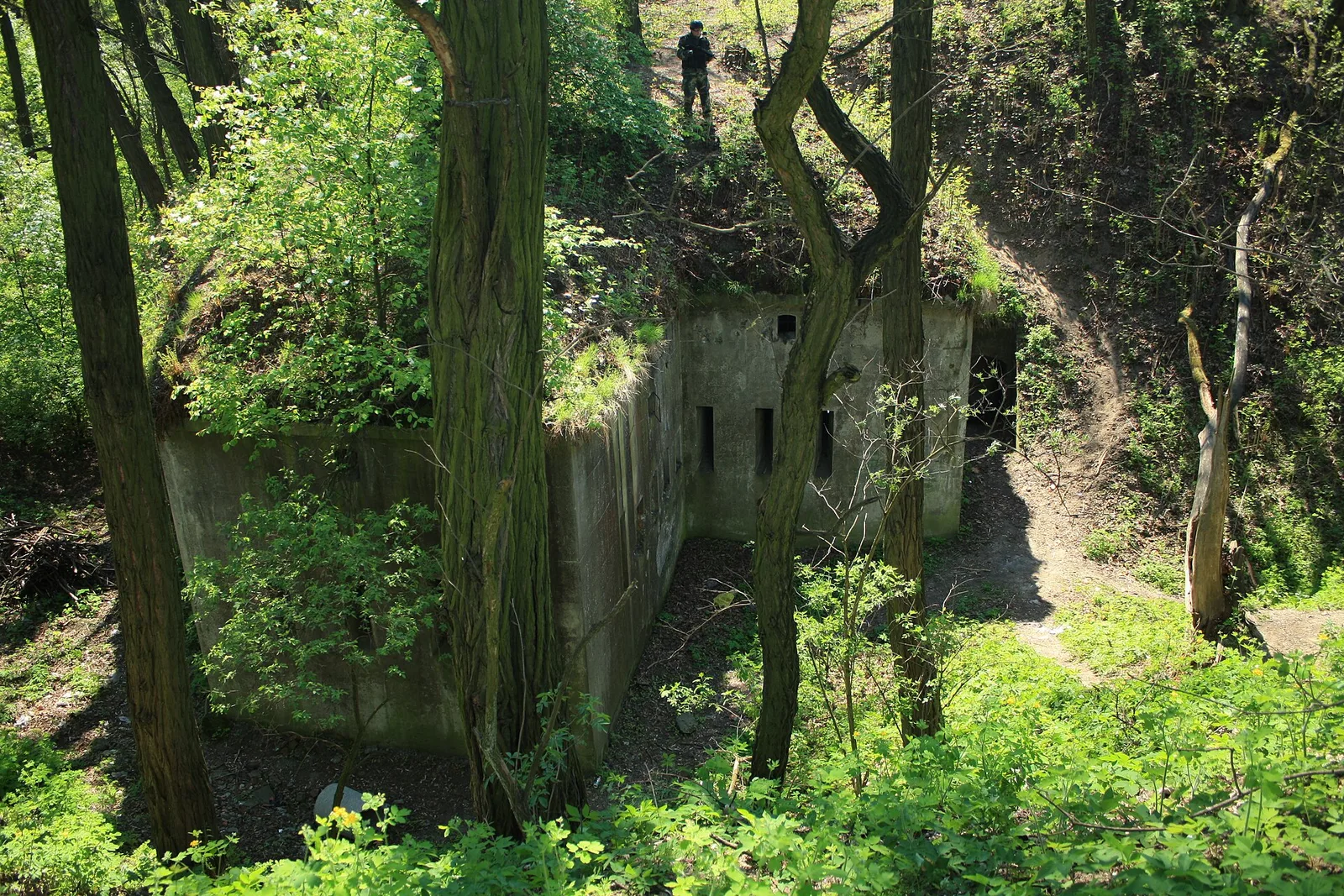
On the southeastern edge of the city, in Prokocim, hidden in the greenery, lies the main artillery Fort 50 "Prokocim", part of the Austro-Hungarian ring of Fortress Kraków. It was built between 1882 and 1886 to defend the Lwów road; a garrison of about 600 soldiers was stationed there, and in December 1914 the fort took part in the victorious battles against the Russians.
In the 1970s the fort was taken over by the Kraków Medical Academy, but it was never put to use, so it has stood abandoned for decades. The interiors are vandalized (the wood and fittings were looted), but the structure itself - corridors, casemates, gun emplacements - remains whole and accessible. It is one of the most popular forts among Kraków explorers. Find more sites on our Kraków urbex map.
3. Train graveyard: rusting steam locomotives in Płaszów
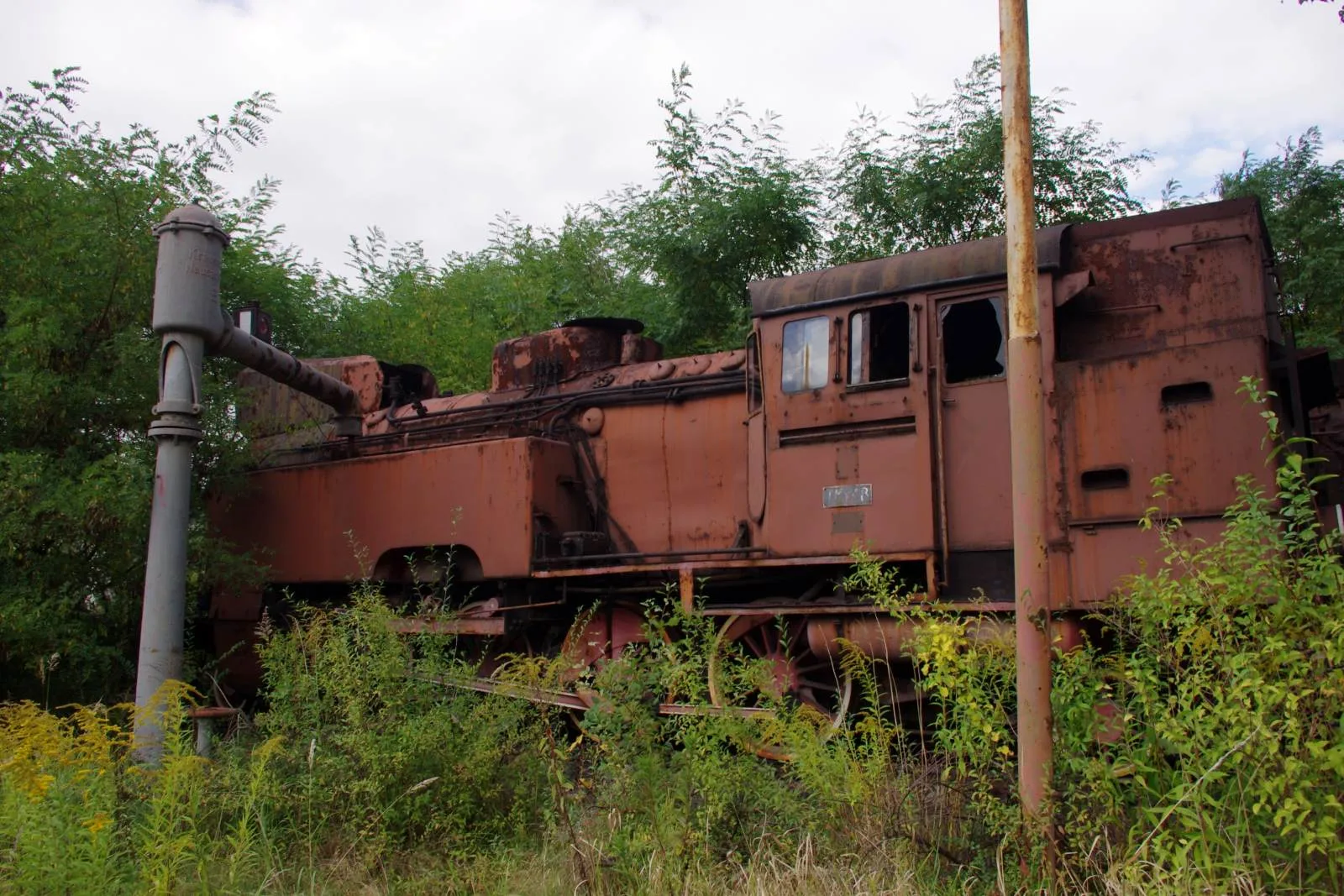
By the Kraków Płaszów station, on a siding next to the former engine shed, stands a train graveyard: a dozen or so rusting steam locomotives and carriages overgrown with greenery. The first engine shed was built in Płaszów in 1884, and the fan-shaped roundhouses were added in the early 20th century (the northern one between 1908 and 1909, the southern one in 1927).
The centerpiece is the TY51-9, the heaviest steam locomotive ever produced in Poland, in service from 1954 to 1989. A railway museum was planned here, but the project never got off the ground, so the rolling stock is rotting on the tracks. The railway grounds are partly active and partly private - be careful and do not step onto active tracks. Find more places on our Kraków urbex map.
FAQ - Urbex Kraków
How many abandoned places are there in Kraków?
It is hard to give a single number, but on our Kraków and Lesser Poland urbex map you will find hundreds of verified spots: abandoned forts, quarries, railway and post-industrial sites.
Is urbex in Kraków legal?
Exploration itself is not a crime, but entering private, fenced or railway grounds can be an offense. The train graveyard sits on railway land, and the forts belong to the city or to universities. Respect no-entry signs, do not break in, and do not damage anything.
Are these places dangerous?
Yes. The Liban quarry has steep walls and hidden scrap metal, the fort has dark casemates and wells, and the graveyard has active tracks and sharp, rusting parts. Never explore alone, carry a flashlight and a charged phone.
Can you enter the forts of Fortress Kraków?
Some of the forts have been renovated and now serve cultural functions (Fort 49 Krzesławice, Fort 52 Borek), while others, like Fort 50 Prokocim, stand abandoned and are accessible to explorers. Always check the current status and ownership of a given site.
Where can you find more abandoned places in Kraków?
On our free urbex map and on the Kraków map you will find hundreds of spots. Under each free point, click "Add to my map" to save the GPS coordinates to your account.
What is the best time for urbex in Kraków?
Early spring and late autumn, when the lack of leaves reveals the forts and ruins. The Liban quarry is at its most striking during the golden hour, and the fort interiors require a good flashlight at any time of year.
Summary: the other face of Kraków
Behind the facade of touristic Kraków hides a city of forts, quarries and railway sidings, marked by the history of the partitions and the occupation. These three places are only the beginning. Explore responsibly: respect no-entry signs, do not step onto active tracks or onto ceilings at risk of collapse, and leave no trace. To discover more, take a look at our Kraków urbex map and save the coordinates for free in your personal map.