There are the abandoned places you visit with a ticket, and then there are the others: the ones you only reach by boat at night, behind a military fence, on a forbidden island or inside an exclusion zone. It's this second family, real urbex, that you're going to explore here. The Ferris wheel that never opened in Pripyat, the Soviet space shuttles rotting in the hangar at Baikonur, the giant sanatorium of Beelitz, the stilt forts of the Thames estuary: 25 places you won't find in any souvenir shop.
Our map lists more than 229,000 geolocated abandoned places across over 200 countries, and it's from that pool that we filtered to keep only sites that are genuinely abandoned and still standing in 2026, either off-limits or freely explorable, never turned into a paying museum. For each one you'll find its history, its video, and an "Add to my map" button: the exact GPS coordinate is free, no credit card needed. Museumified ghost towns (Bodie, Craco) and icons that have gone back to being tourist attractions (Kolmanskop, Hashima) were left out, and we explain why further down.
On the menu: industrial wastelands, psychiatric asylums, Soviet military bases, nuclear ghost towns, hotels swallowed by the jungle, communist monuments and concrete wrecks. Lost places, urbex spots, abandoned ruins and ghost towns spread across five continents, ranked by visual power and historical weight: we open with the absolute star, Pripyat, and close on Henry Ford's failed utopia deep in the Amazon.
Forbidden urbex: why Urbex Maps changes the game
You know the script: a "free" site in the title, then a 50-euro forum to get the real address. We do the opposite. Every place on this page has an "Add to my map" button that unlocks its exact coordinate in your personal space, no credit card. The free spots pay their way thanks to the paid packs, which keep the moderation alive.
And reliability isn't something we promise, it's something we prove: a community of more than 40,000 explorers since 2021, and every coordinate verified at least twice (the contributor, then a regional moderator) before it goes live. The 25 places below are ranked by visual power and historical importance; for each one, a direct link to its listing and to its country's map, so you can keep exploring around it. You can open everything from the free urbex map or your My map space.
Why some famous abandoned places aren't on the list
An honest ranking is judged just as much by what it leaves out. Nara Dreamland (Japan's "ghost Disneyland") was demolished in 2016-2017; Berlin's Spreepark is being reworked into a cultural park, its Ferris wheel taken down in 2021; Detroit's train station, Michigan Central, reopened restored by Ford in 2024, and the Packard plant has been razed. All of them have left the territory of urbex.
Others have become ticketed tourist sites, so off-topic for strict urbex: Bodie (state park), Craco and Belchite (helmeted guided tours), Kayaköy and Humberstone (open-air museums), Oradour-sur-Glane (national memorial). As for Kolmanskop (Namibia) and Hashima (Japan), authentically abandoned but now visited on paid, guided tours, you'll find them in our feature on famous abandoned places you can visit. And Wittenoom, in Australia, has been wiped off the maps and demolished: its blue asbestos makes it quite simply deadly.
The 25 abandoned places at a glance
| Place | Country | Type | Access in 2026 |
|---|---|---|---|
| Pripyat | Ukraine | Nuclear ghost town | Off-limits (war zone) |
| Duga Radar | Ukraine | Military radar | Off-limits (war zone) |
| Buzludzha | Bulgaria | Communist monument | Exterior only |
| Beelitz-Heilstätten | Germany | Sanatorium | Clandestine |
| Maunsell Forts | United Kingdom | WWII sea forts | Boat, off-limits |
| Doel | Belgium | Ghost village | Free |
| Poveglia | Italy | Asylum island | Off-limits |
| Varosha | Cyprus | Seaside resort | Partial (since 2020) |
| Akarmara | Abkhazia | Soviet mining town | Clandestine |
| Goli Otok | Croatia | Prison island | Free (by boat) |
| Balestrino | Italy | Medieval village | Fenced off |
| Volterra Asylum | Italy | Psychiatric hospital | Clandestine |
| Chemiewerk Rüdersdorf | Germany | Chemical plant | Free / clandestine |
| DAG Krzystkowice | Poland | Munitions factory | Free (forest) |
| Buran Hangar, Baikonur | Kazakhstan | Space hangar | Off-limits |
| Aniva Lighthouse | Russia | Nuclear lighthouse | Boat, off-limits |
| Maya Kankō Hotel | Japan | Hotel | Clandestine |
| Sathorn Unique | Thailand | Unfinished skyscraper | Off-limits |
| Hachijō Royal Hotel | Japan | Hotel | Clandestine |
| Kadykchan | Russia | Soviet mining town | Free (remote) |
| Kejonuma Leisure Land | Japan | Amusement park | Clandestine |
| North Brother Island | United States | Hospital island | Off-limits |
| Centralia | United States | Town (mine fire) | Free |
| Villa Epecuén | Argentina | Flooded town | Free |
| Fordlândia | Brazil | Industrial town | Free |
1. Pripyat, Ukraine: the ultimate nuclear ghost town
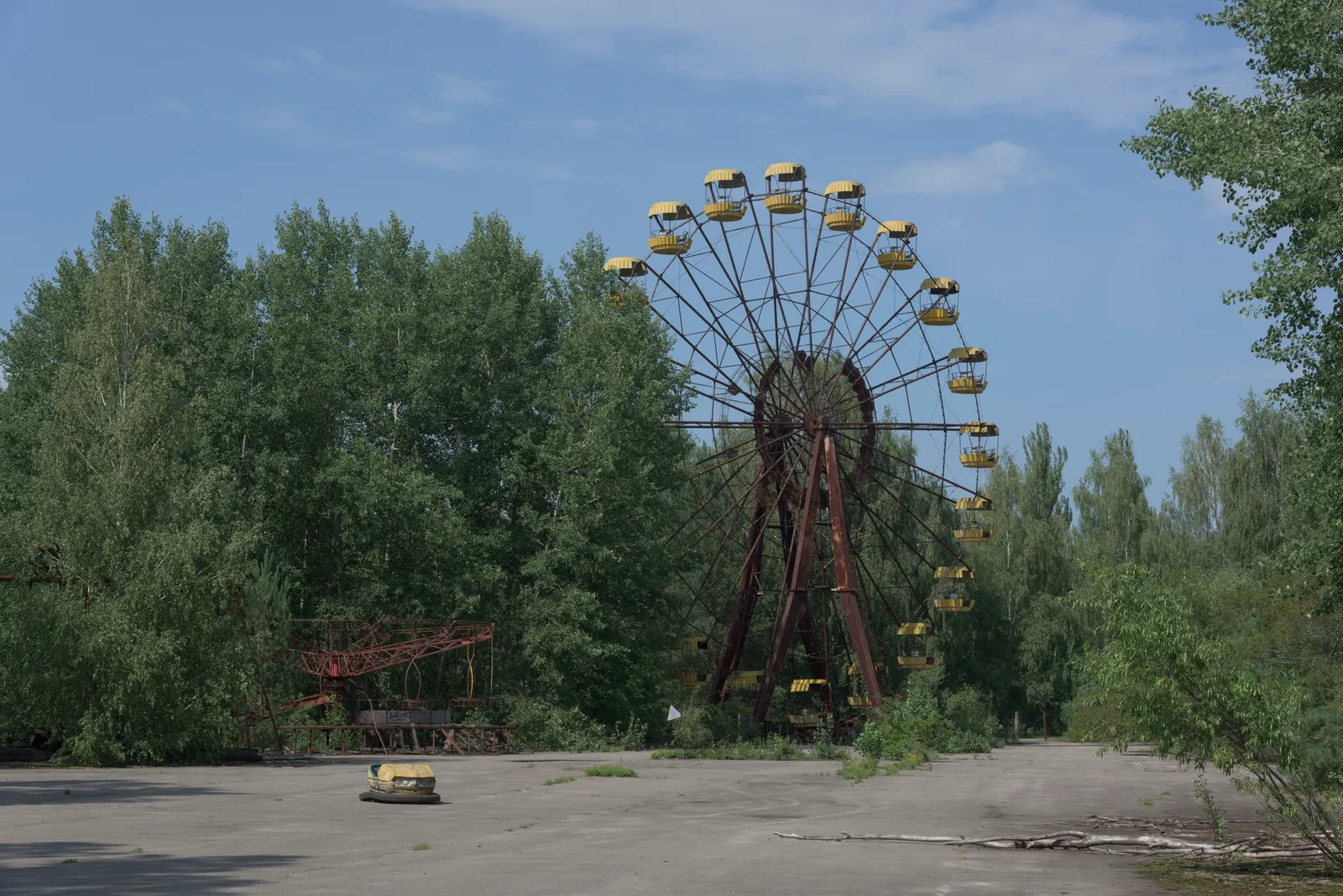
Founded in 1970 to house the staff of the Chernobyl power plant, Pripyat was a model Soviet town of nearly 50,000 people, young and prosperous. On 27 April 1986, the day after reactor No. 4 exploded, the entire population, around 49,360 people, was evacuated in three and a half hours aboard 1,200 buses. The fairground was due to open on 1 May: its yellow Ferris wheel, never put into service, became the global icon of the disaster. Forty years later, the buildings are slowly collapsing under a forest reclaiming its ground. Access, already strictly controlled, has been suspended since the Russian invasion of 2022: Pripyat remains the unreachable Holy Grail of urbex. Discover the whole region on the Ukraine urbex map. (source: Wikipedia)
2. Duga Radar, Ukraine: the "Russian Woodpecker" of Chernobyl
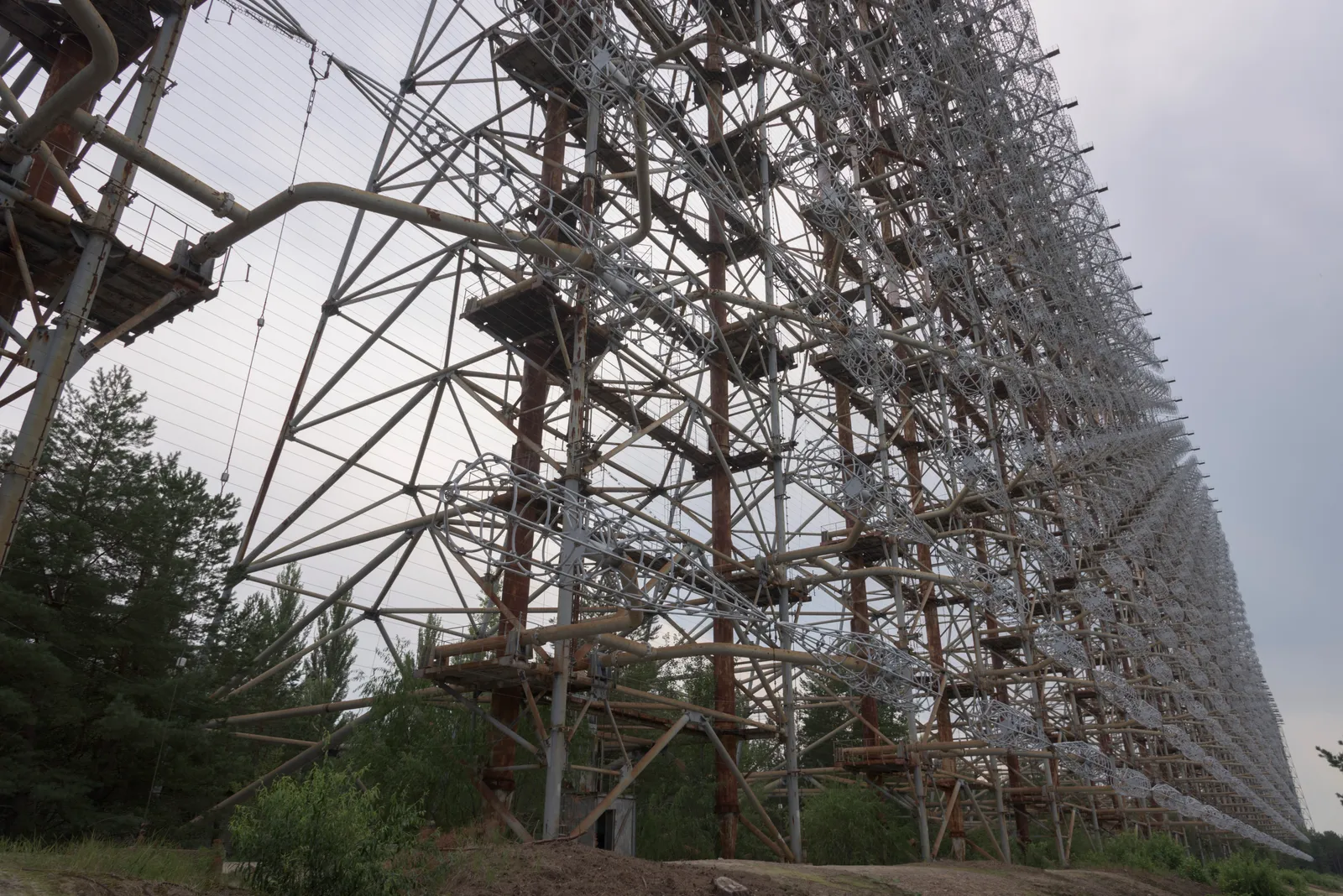
A few kilometres from Pripyat stands a wall of steel 150 metres high and 700 long: the Duga over-the-horizon radar, built to detect an American missile launch as early as possible. Operational from 1976 to 1989, it broadcast a parasitic 10 Hz tapping heard around the world, which earned it the nickname "Russian Woodpecker." The 1986 disaster, ten kilometres away, sealed its fate: contamination ruled out any dismantling, and the antenna remains planted in the radioactive forest, listed as a Ukrainian national monument. Climbing it is forbidden and lethal; like Pripyat, the site has been frozen by the war since 2022. (source: Wikipedia)
3. Buzludzha, Bulgaria: the communist flying saucer
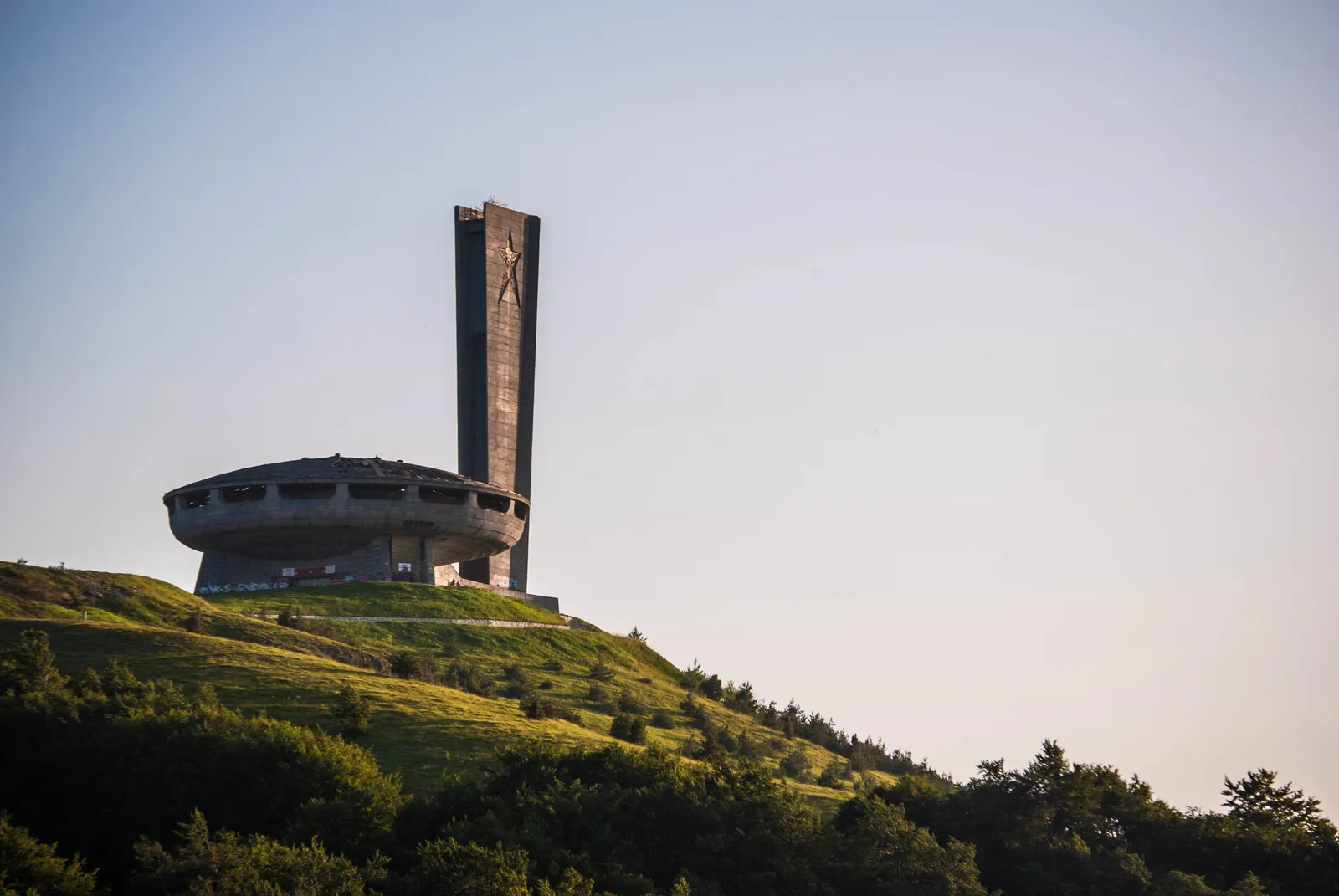
Perched at 1,432 metres on a Balkan summit, this saucer-shaped monument was the temple of the Bulgarian Communist Party. Built from 1974 to 1981 at a cost of 14,186,000 leva and inaugurated on 23 August 1981, it housed vast mosaics of Marx, Engels and Lenin. Abandoned the moment communism fell in 1989, looted and vandalised, it is now sealed and watched day and night: you can only see it from the outside. The foundation that looks after it chose conservation over restoration because, in the words of its founder Dora Ivanova, "restoring it would amount to glorifying communism." More spots on the Bulgaria urbex map. (source: Wikipedia)
4. Beelitz-Heilstätten, Germany: the mecca of Lost Places
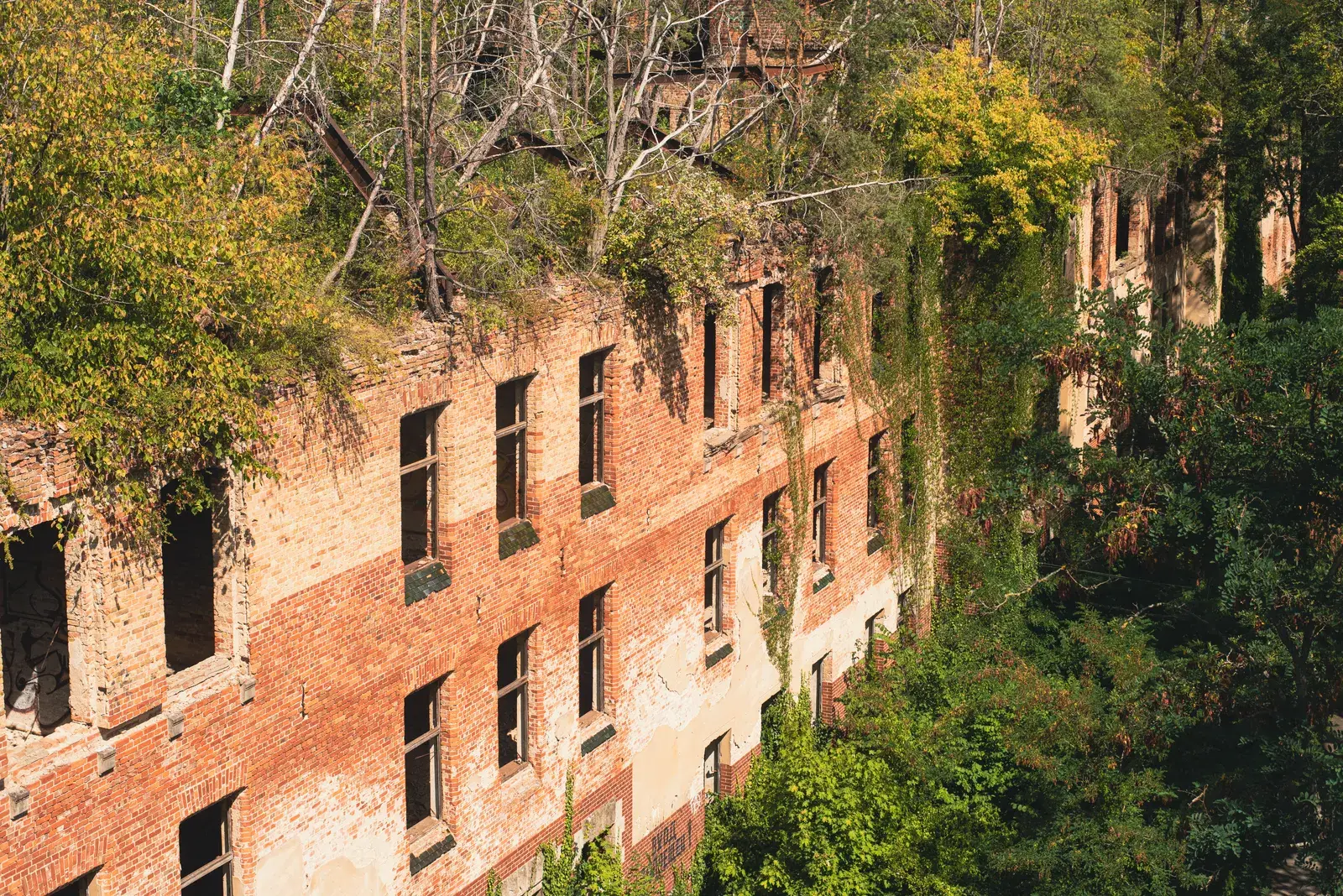
In a pine forest south of Berlin, Beelitz-Heilstätten was built from 1898 onwards to treat tuberculosis: some sixty brick pavilions over nearly 200 hectares. A military hospital from the First World War (Hitler was treated here in 1916), after 1945 it became the largest Soviet military hospital outside the USSR, until the troops withdrew in 1994. Left to decay, its monumental staircases and operating theatres swallowed by ivy, it's the most photographed urbex setting in Europe and a recurring film set (The Pianist, Valkyrie). Part of it has been restored, but entire pavilions remain in ruin, dangerous and off-limits outside guided tours. (source: Wikipedia)
5. Maunsell Forts, United Kingdom: the stilt towers of the Thames
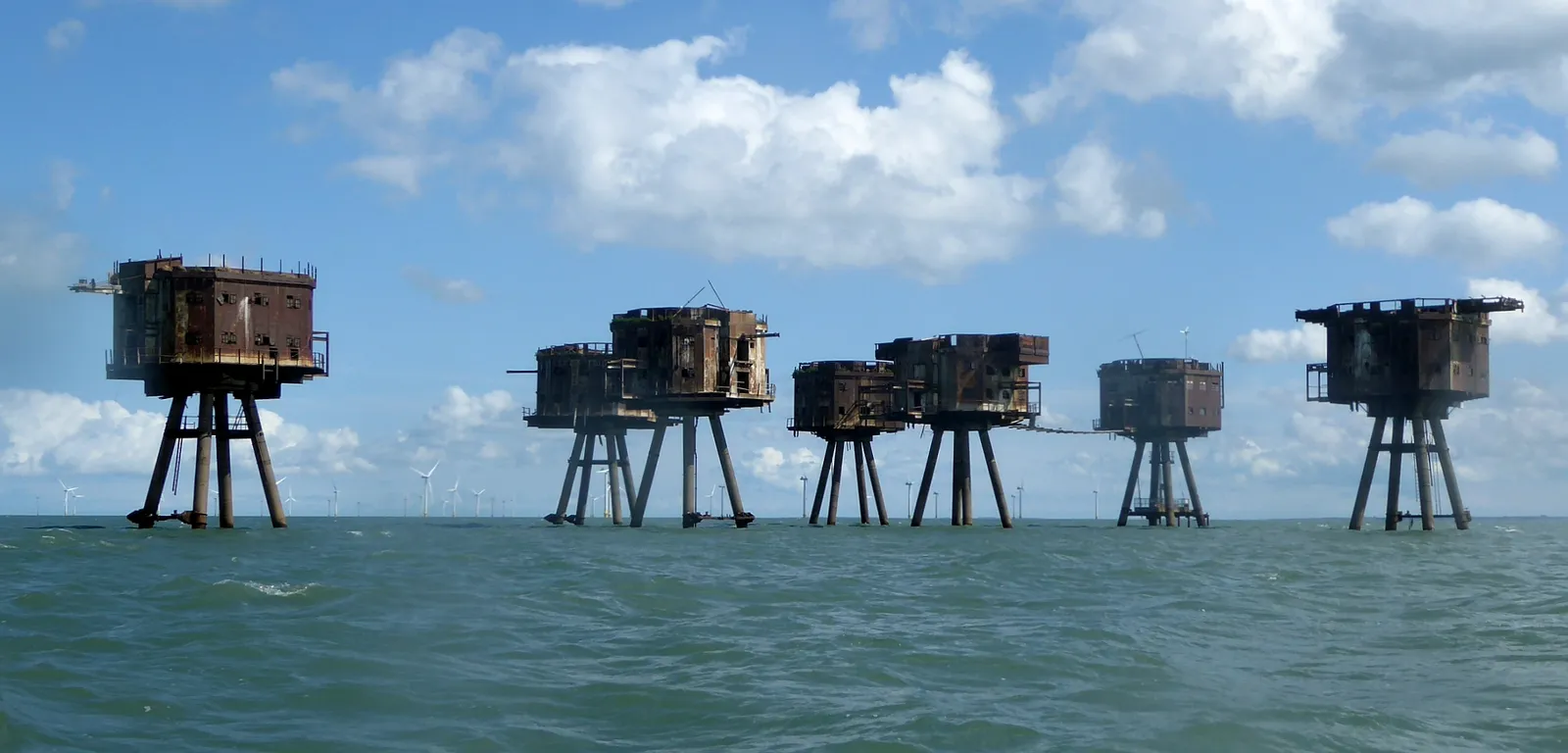
Planted in the Thames estuary in 1942-1943, these anti-aircraft forts designed by engineer Guy Maunsell look like science-fiction tripods: steel towers on stilts linked by walkways, bristling with guns and radar. During the war they shot down 22 aircraft and around thirty V-1 flying bombs. Disarmed in the late 1950s, some later hosted pirate radio stations, and one was even declared the "Principality of Sealand" in 1967. Today marine corrosion is eating away at them: you can only reach them by boat, and a 2021 inspection judged the state of Red Sands critical. To explore from the United Kingdom urbex map. (source: Wikipedia)
6. Doel, Belgium: the condemned village turned street-art gallery
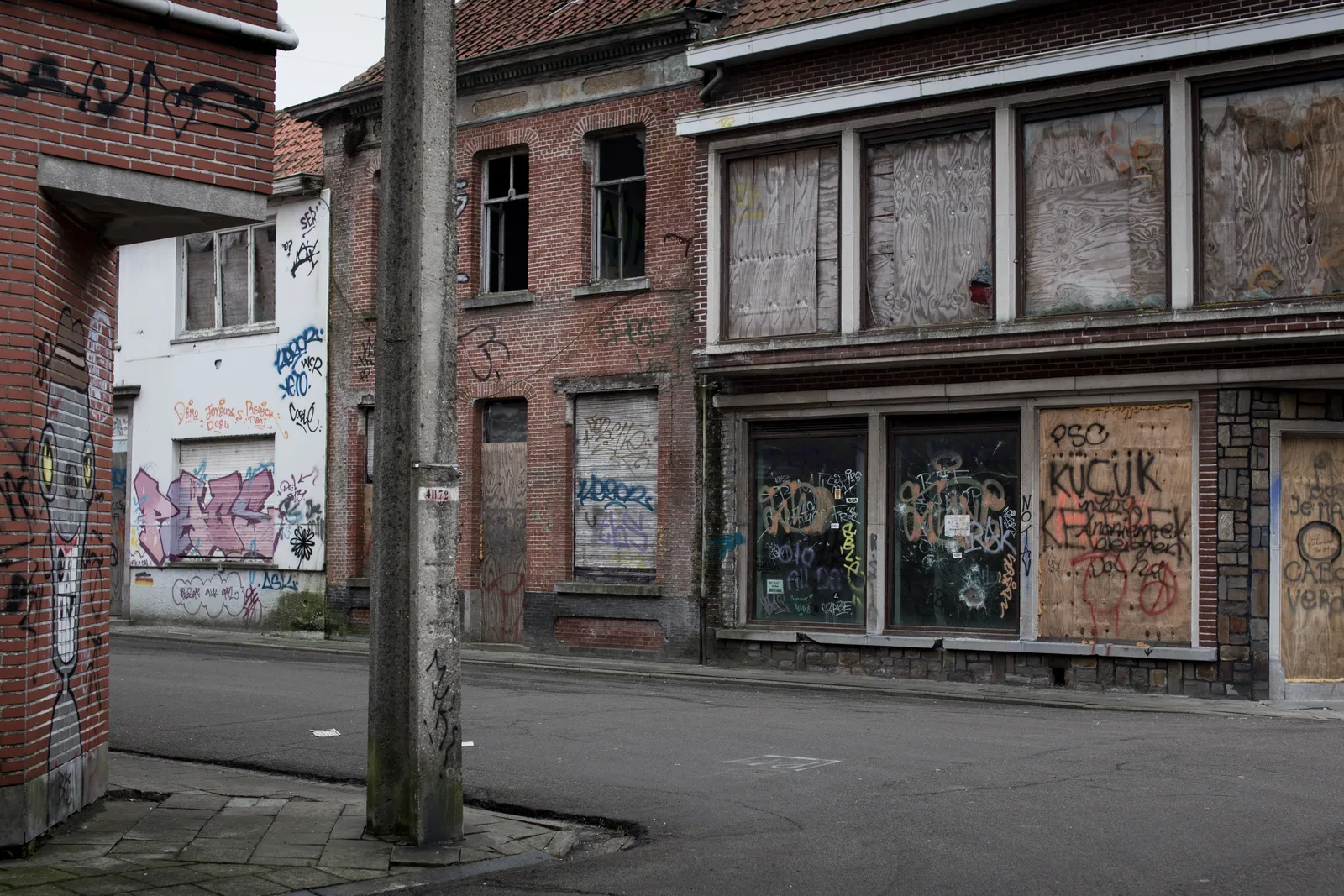
On the polders of the Scheldt, facing the Antwerp nuclear plant, Doel lived through thirty years of programmed death. Land was frozen from the 1970s for the port's expansion; the population shrank from 2,511 inhabitants in 1876 to around a hundred today. Since 1 September 2009, living there has been officially forbidden: walled-up houses, a closed school, streets handed over to taggers from all over Europe. Several legal reprieves saved the buildings, and a 2022 compromise confirmed the survival of a residual Doel. It is now one of the most photographed ghost villages on the continent, half-ruin half-fresco, freely accessible. The rest of the country awaits you on the Belgium urbex map. (source: Wikipedia)
7. Poveglia, Italy: the most haunted forbidden island in the world
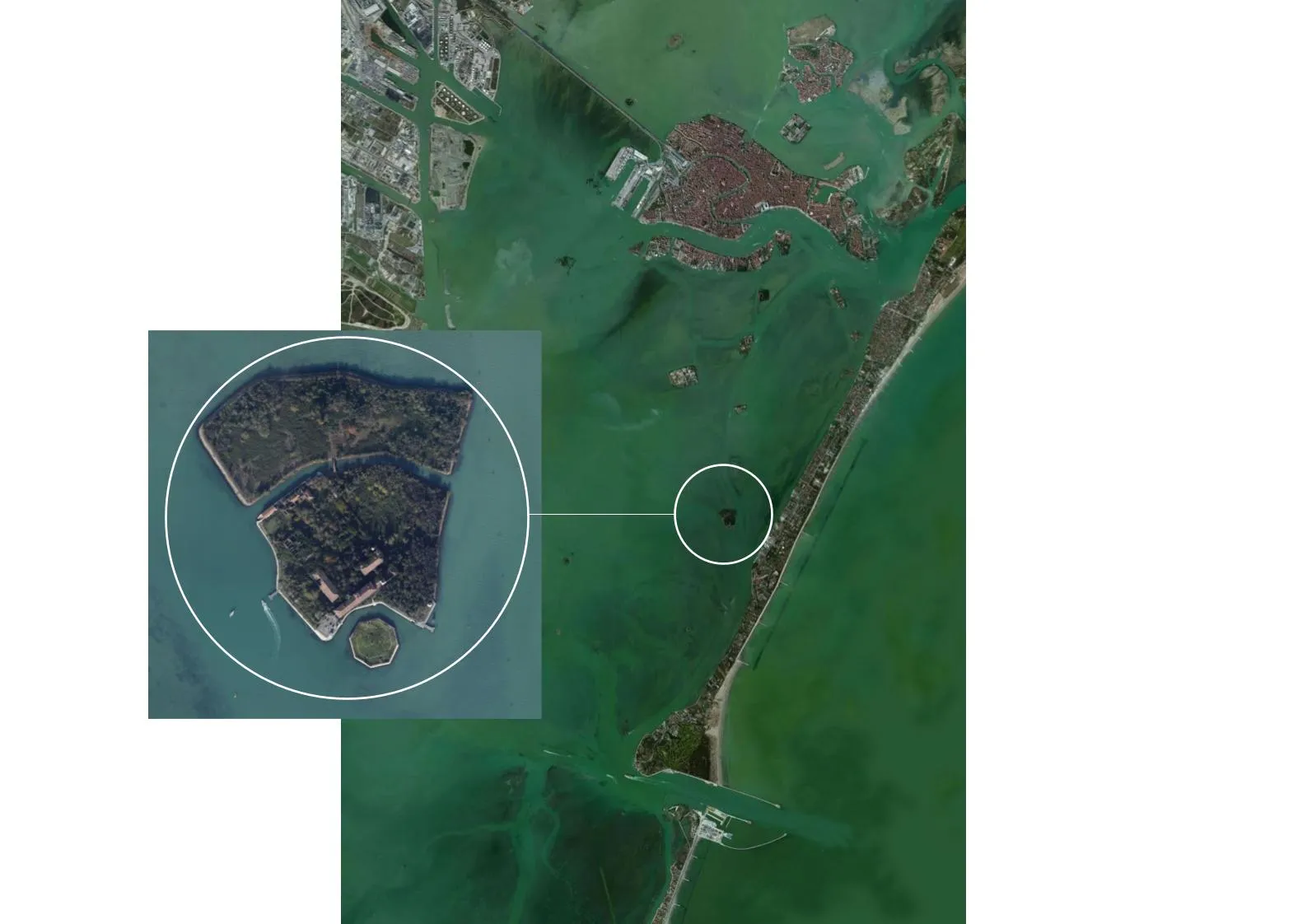
In the middle of the Venice lagoon, Poveglia piles up layers of dark history: a quarantine station where plague victims were isolated, then a psychiatric hospital in the early 20th century. The legend of mass graves and experiments on patients made it "the most haunted island in the world," a title that draws ghost hunters from everywhere. Access is strictly forbidden: the island belongs to the State, its buildings are on the verge of collapse, and you can only approach it by clandestine boat. The bell tower of the old church still rises from the vegetation. More Venetian ruins on the Italy urbex map. (source: Wikipedia)
8. Varosha, Cyprus: the seaside resort frozen in 1974
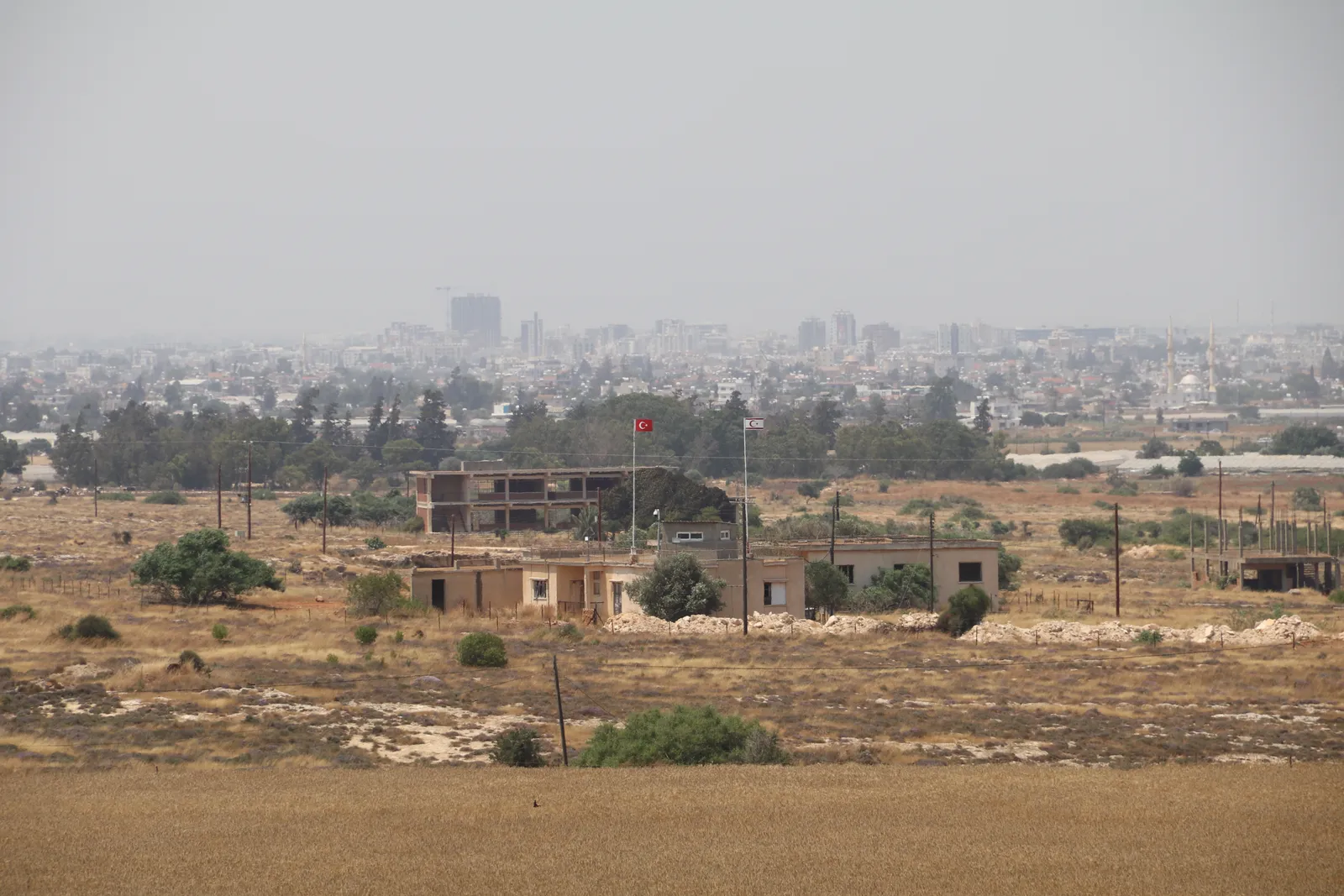
In the 1970s, Varosha, the seaside district of Famagusta, was the chicest resort in Cyprus: Elizabeth Taylor and Brigitte Bardot frequented its beachfront hotel towers. During the Turkish invasion of 1974, its residents fled, convinced they'd be back soon. The Turkish army sealed off the district with barbed wire and barred it for decades, freezing it in time, shop windows from 1974 intact, streets overrun by vegetation. In 2020, the Turkish Republic of Northern Cyprus unilaterally reopened its beach and a few sectors to visitors, despite UN Resolution 550 (1984), which deems "inadmissible" any resettlement by people other than its inhabitants. The bulk remains a forbidden military zone. (source: Wikipedia)
9. Akarmara, Abkhazia: the Soviet city eaten by the jungle
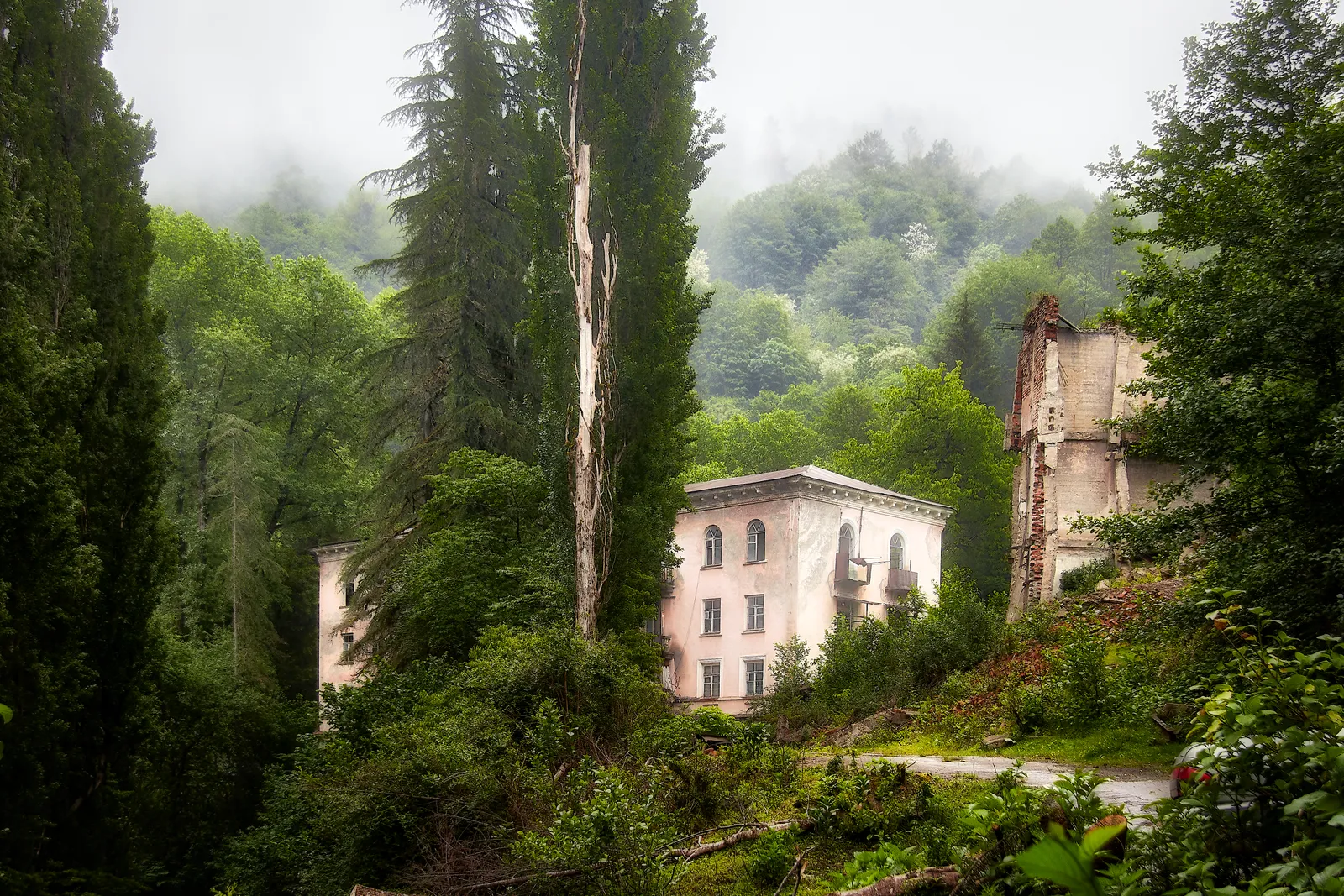
A suburb of the mining town of Tkvarcheli, Akarmara had thousands of inhabitants at the end of the USSR, housed in handsome Stalinist buildings with columns. The Abkhaz war of 1992-1993, with the siege and blockade of the region, shattered the coal economy: Tkvarcheli's population collapsed from 21,744 inhabitants in 1989 to a few thousand, and Akarmara emptied almost entirely, keeping only about thirty die-hards among the collapsed balconies. Today the subtropical jungle of the Caucasus is swallowing the facades: it's one of the rarest urbex sites in the world, tucked into a separatist territory you can only enter with an Abkhaz permit. (source: Wikipedia)
10. Goli Otok, Croatia: the Alcatraz of the Adriatic
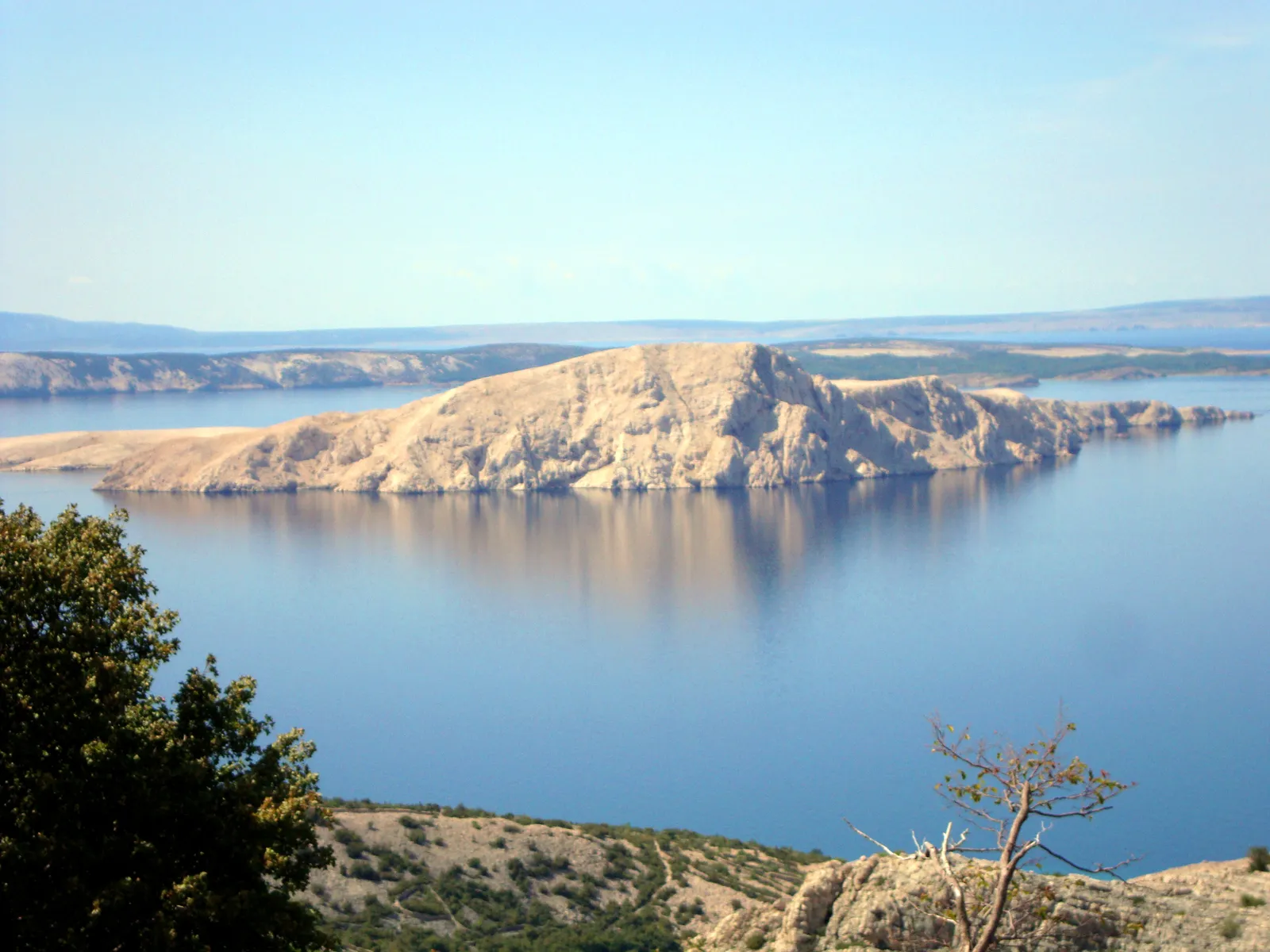
A barren rock in the Adriatic, Goli Otok ("the naked island") was turned in 1949 into a top-secret political labour camp by Tito's Yugoslavia, at the moment of the break with Stalin. Stalinists, dissidents and then common criminals broke stone under a crushing sun, in a system of peer-on-peer torture. Around 16,000 prisoners passed through it; hundreds died there. The camp closed at the end of 1988 and the island was abandoned in 1989. Since then, barracks, infirmary and workshops have crumbled against the wind and salt. You can reach it freely, by boat from Rab: no ticket, no museum, just the ruins of a "hell on Earth." More forgotten islands on the Croatia urbex map. (source: Wikipedia)
11. Balestrino, Italy: the evacuated medieval village
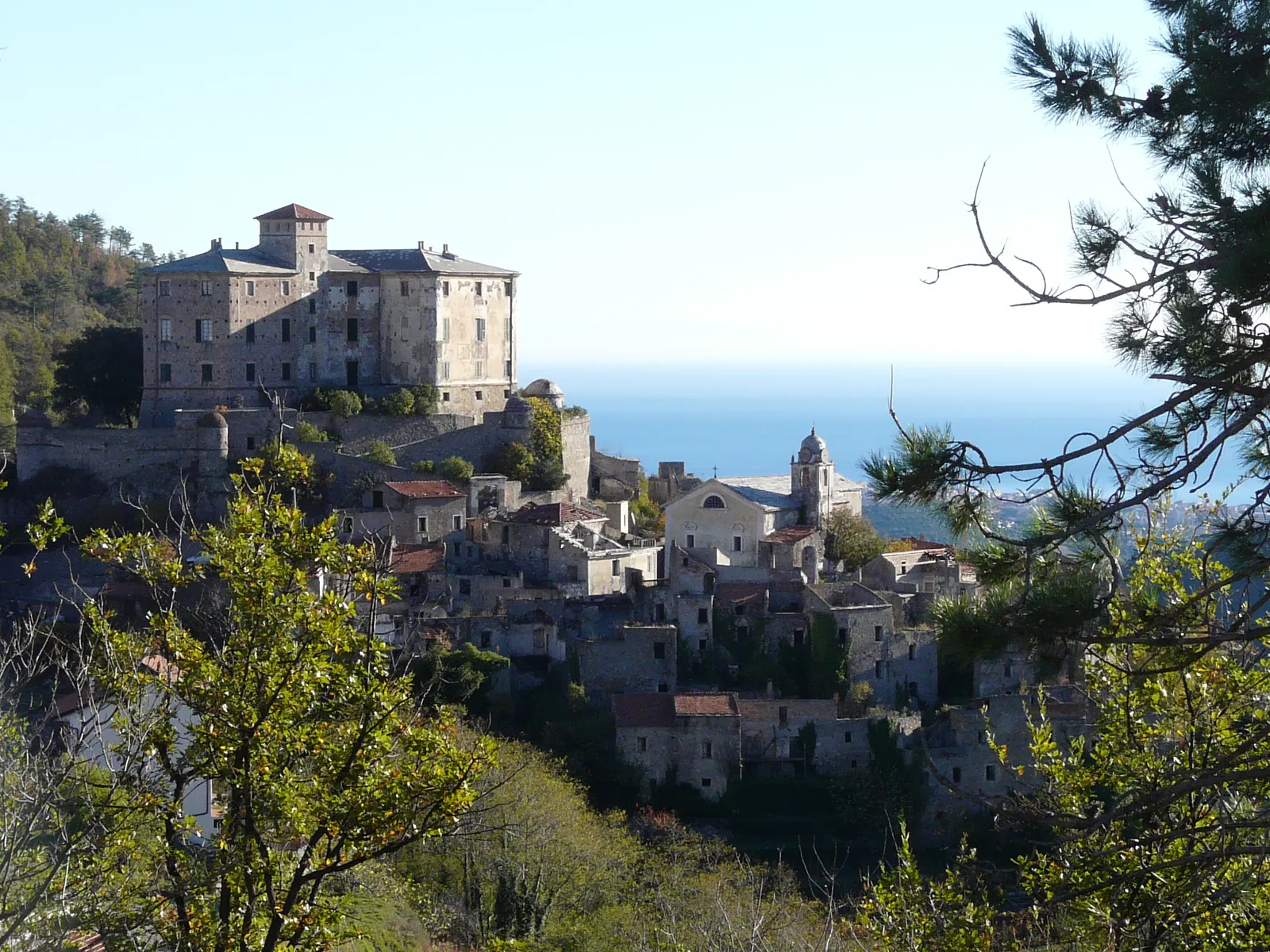
Clinging to a hill in the hinterland of Savona, the borgo vecchio of Balestrino dates back to the 11th century, dominated by a castle and two churches. The Ligurian earthquake of 23 February 1887, then decades of landslides on unstable ground, condemned it. In 1953, the authorities deemed the area unsafe and rehoused the last 400 inhabitants in a new district below, leaving the old village to freeze in place. Vaulted alleys, gutted houses and an open-air nave make it one of the most photographed "paesi fantasma" in Italy, a setting for the film Inkheart. The historic centre is fenced off as a hazard: you explore it at the price of trespassing. (source: Wikipedia)
12. Volterra Asylum, Italy: the wall engraved by NOF4
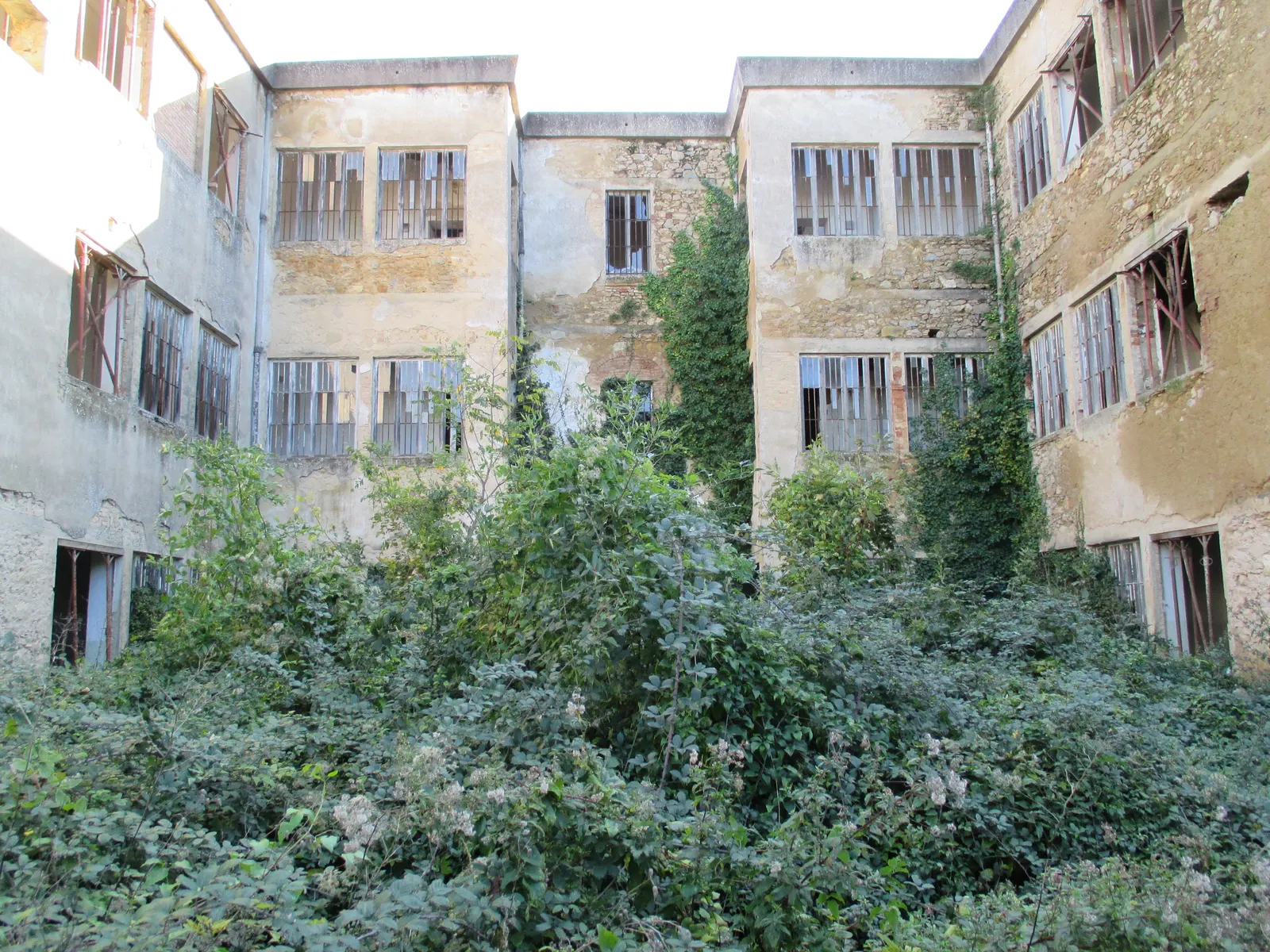
Opened in 1887, the Volterra psychiatric hospital became a veritable asylum-village, with up to 4,794 inmates in 1939, notorious for its overcrowding and brutal treatments, until its closure in 1978 under the Basaglia law. Its fame rests on one patient, Oreste Fernando Nannetti, "NOF4," who spent years engraving, with his waistcoat buckle, a sprawling 180-metre mural on the walls of the Ferri pavilion: a delirious encyclopedia of cosmic worlds. The pavilions remain walled up, guarded and off-limits, and the owner files complaints against intruders, making it a high-risk grail of Tuscan urbex. (source: Wikipedia)
13. Chemiewerk Rüdersdorf, Germany: the concrete cathedral
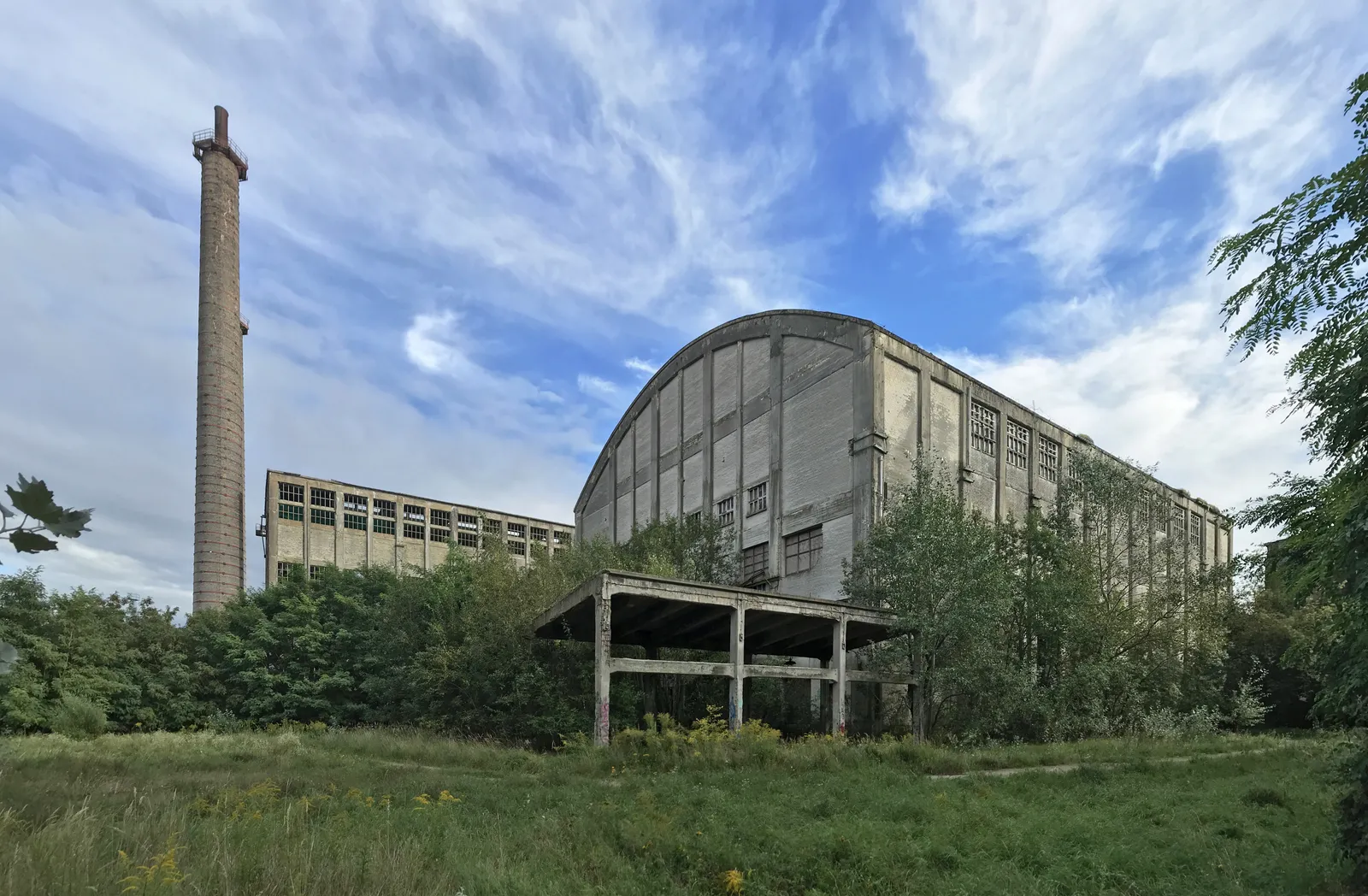
About thirty kilometres east of Berlin, this complex was born in 1899 as a cement works, before becoming under the GDR a phosphate plant that ran until its total shutdown in 1999, a century of activity. What's left are cavernous production halls, silos and 1940s brick chimneys, set on soil contaminated with acids. Almost unguarded and close to the capital, the plant has become a playground for street artists and photographers, and a recurring film set: The Monuments Men, The Hunger Games, the series Dark and Rammstein's Deutschland video were all shot here. Access is unofficial but free, at your own risk.
14. DAG Krzystkowice, Poland: the Nazi explosives factory in the forest
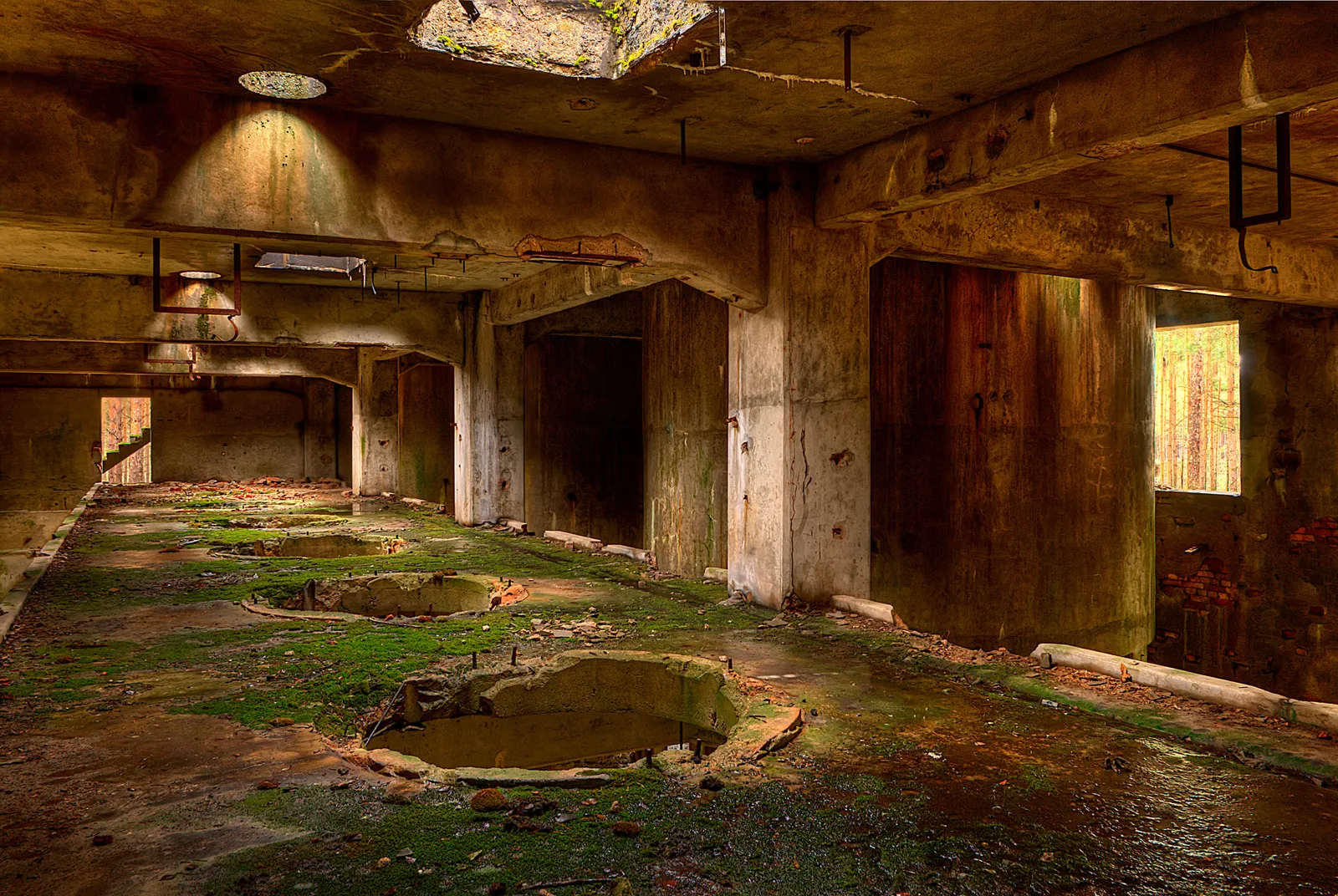
In the forests of present-day Nowogród Bobrzański, the Nazi regime launched in 1939 the construction of an ultra-secret explosives factory belonging to the DAG group (Dynamit Actien-Gesellschaft / Alfred Nobel). Spread over about 35 km² and camouflaged beneath the trees to escape the bombers, the complex counted more than 200 buildings linked by tunnels and railways. Over 5,000 Poles and thousands of forced labourers, including deportees from Gross-Rosen, produced munitions and explosives there under deadly conditions. Seized by the Red Army in 1945 and then abandoned to the forest, the site can be visited freely, without a permit, outside the central military zone. The rest of the country is on the Poland urbex map.
15. Buran Hangar, Baikonur, Kazakhstan: the forgotten shuttles
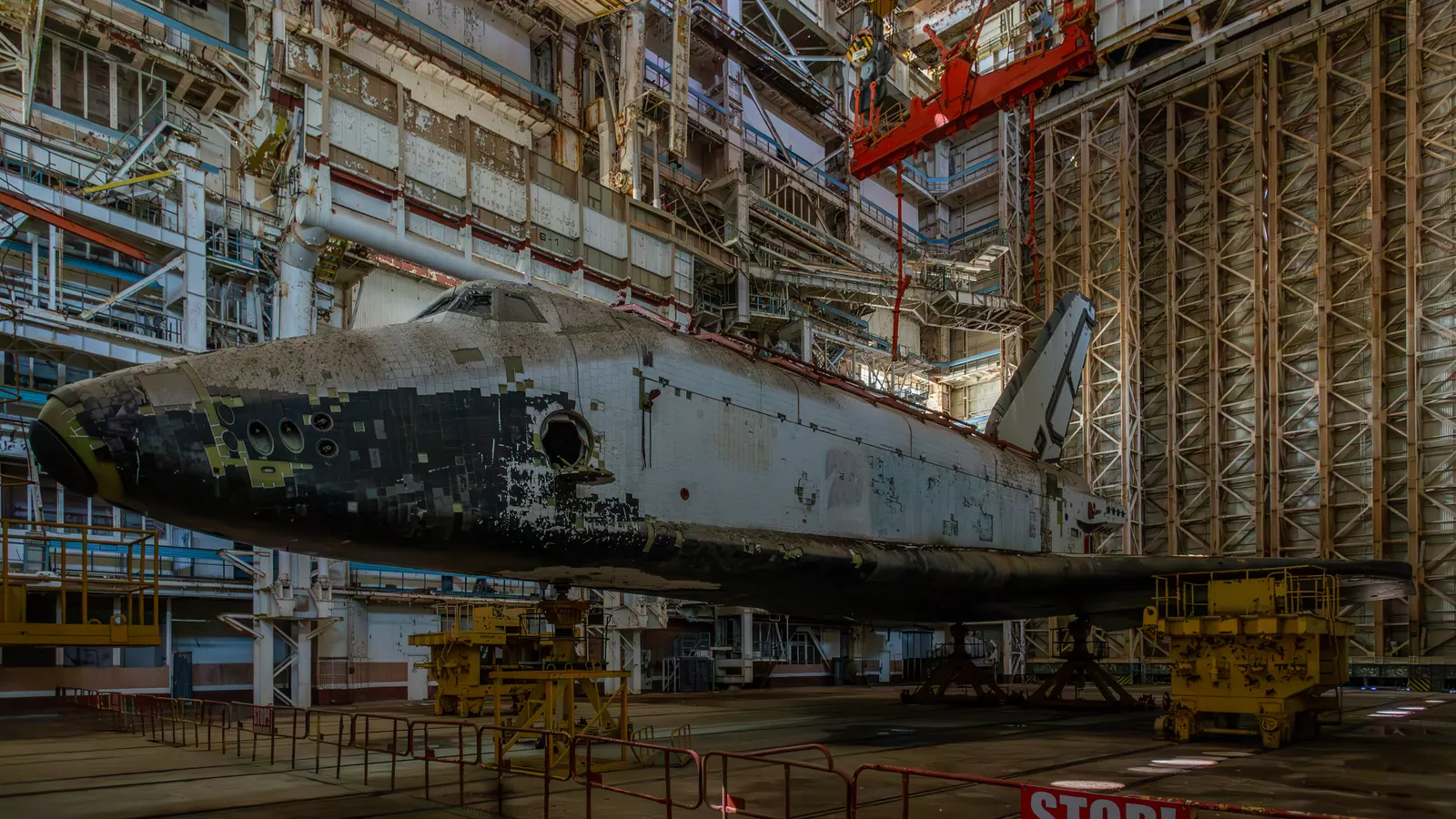
A Soviet replica of the American shuttle, Buran flew only once, uncrewed, on 15 November 1988, and landed on 100% automatic control, a feat never since equalled. The fall of the USSR drained the funding: the programme was closed in 1993. The remaining orbiters were parked in the MZK hangar at Site 112. On 12 May 2002, the roof of the neighbouring hangar collapsed, crushing the only Buran that had flown and killing eight workers. Since then, the "Ptichka" example and a mock-up have been crumbling in the dark behind sealed doors. As the cosmodrome is an active base, you can only get in by clandestine infiltration, at the risk of prosecution: it's one of the toughest urbex sites on the planet. (source: Wikipedia)
16. Aniva Lighthouse, Russia: the atomic tower at the edge of the world
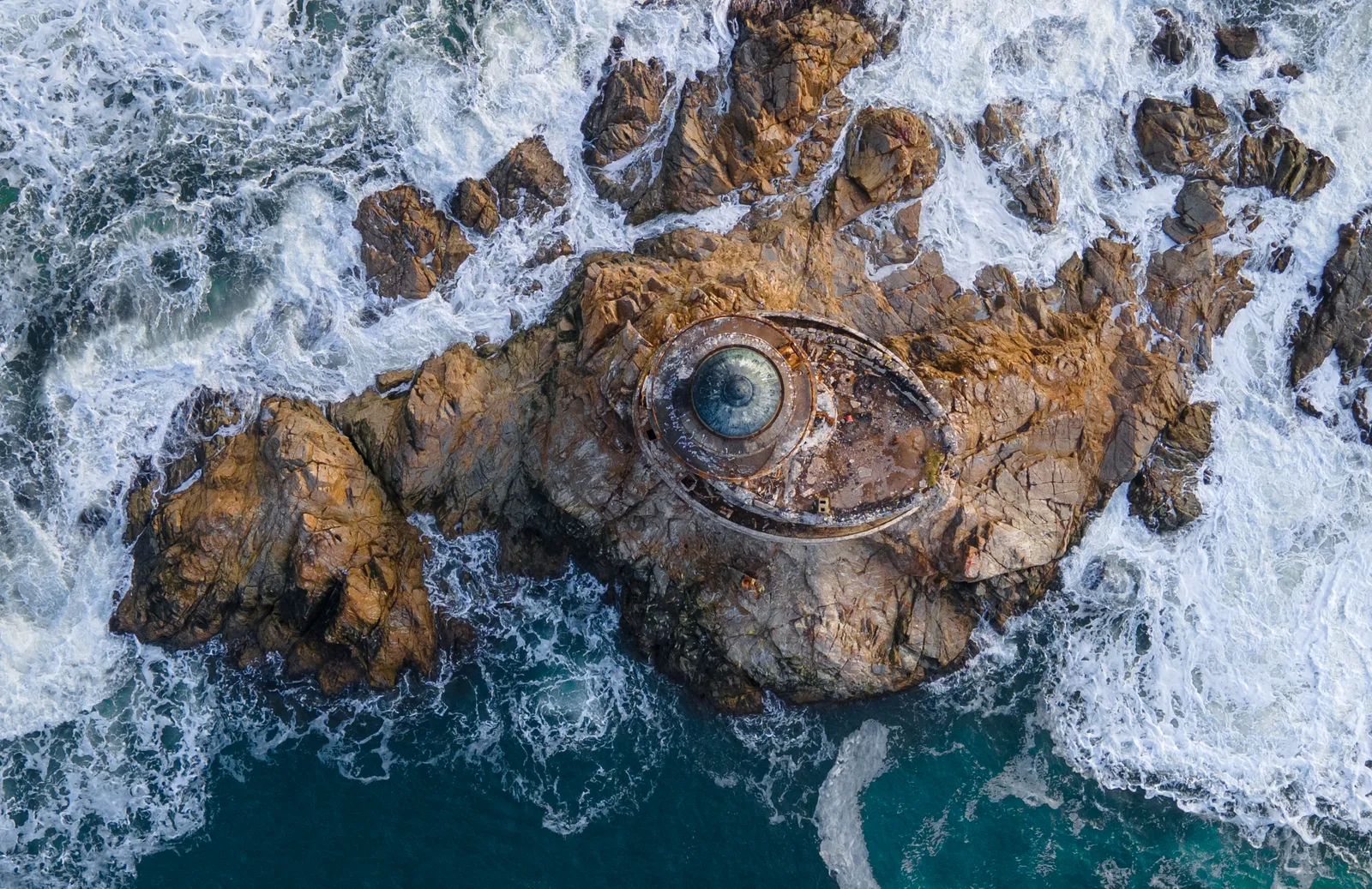
Standing on a reef at Cape Aniva, at the far south of Sakhalin, this lighthouse was designed by a Japanese engineer and built in 1937-1939, at a time when the island was shared with Japan. Taken over by the USSR, it was automated with a strontium-90 nuclear generator, one of those keeper-less Soviet atomic lighthouses. In 2006 the battery died, GPS had made it useless, and it was abandoned. Since then, the 31-metre black-and-white striped tower has rusted in near-total solitude: it takes an hour and a half by road then two hours by boat to reach it. Atomic, battered by storms, almost unreachable. (source: Wikipedia)
17. Maya Kankō Hotel, Japan: the gothic palace of Mount Maya
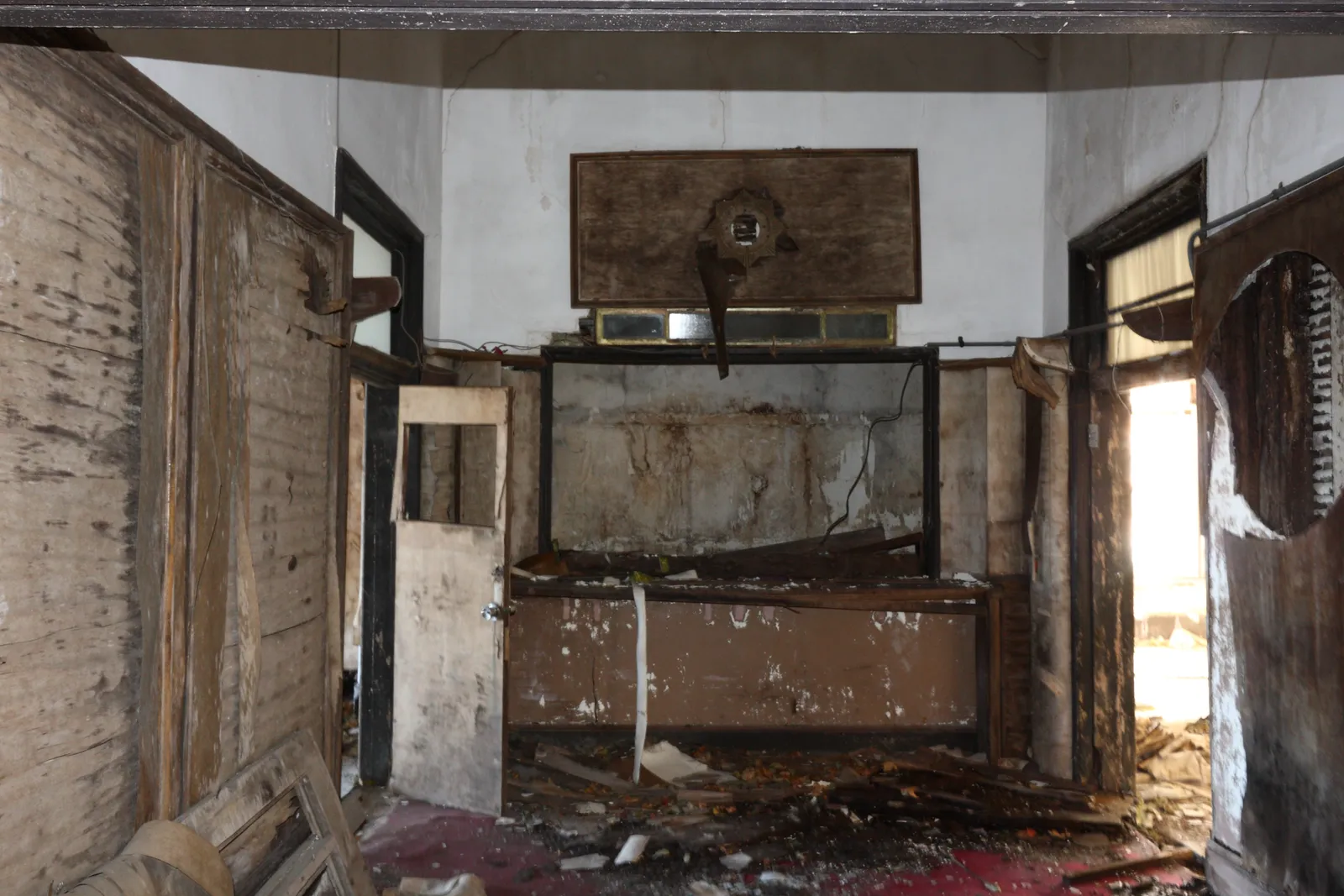
On the flank of Mount Maya, above Kobe, this concrete palace with a gothic look opened in 1929 and had its hour of glory before the war. Decommissioned a first time, reopened, it closed for good in 2006. Riddled with debt, it can't be demolished and rots on the spot, fallen chandeliers and moss on the walls, becoming the most iconic haikyo (ruin, in Japanese) in the country. Explorers keep its exact location quiet to protect it: it's a tough urbex, on private property, with clandestine and unstable access. More Japanese ruins on the Japan urbex map.
18. Sathorn Unique, Thailand: the ghost tower of Bangkok
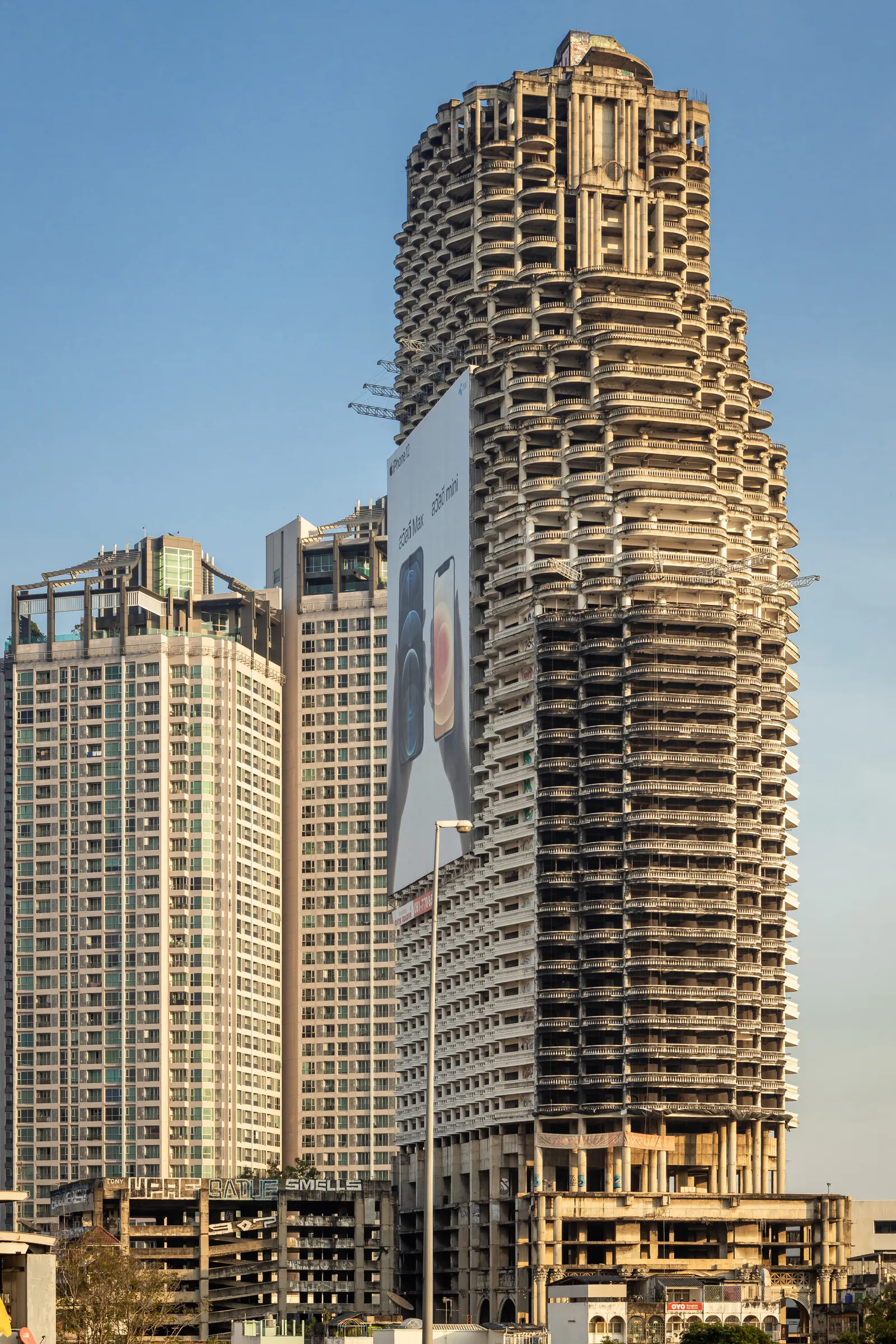
In the very heart of Bangkok stands a concrete skeleton of 49 storeys, around 80% complete then left unfinished by the 1997 Asian financial crisis. The "Ghost Tower" dominates the city, open-air staircases and rusted rebar, haunted by morbid rumours that turned it into a myth of vertical urbex. Officially closed and guarded, it's climbed through informal access, at the risk of a fall or an arrest. It's the absolute icon of Asia's abandoned skyscrapers. Explore the rest on the Thailand urbex map. (source: Wikipedia)
19. Hachijō Royal Hotel, Japan: the largest hotel swallowed by the jungle
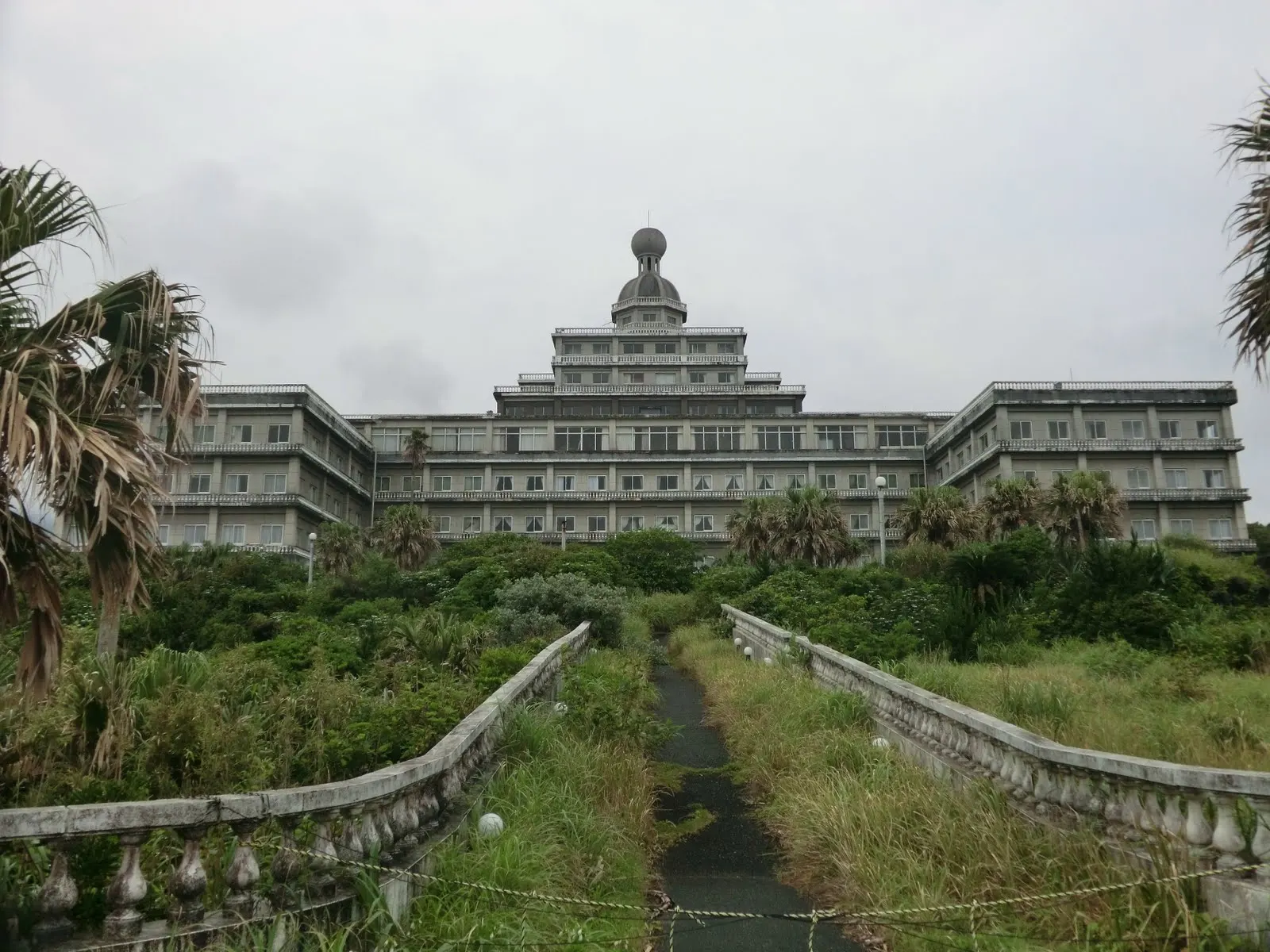
On the volcanic island of Hachijōjima, 290 km south of Tokyo, the Royal Hotel opened in 1963 when the island was billed as "the Japanese Hawaii." French baroque style, a swimming pool, hundreds of rooms: it was then one of the largest hotels in the country. Domestic tourism deserted the islands in the 1980s-90s in favour of the real Hawaii, and the establishment closed in 2006. Riddled with debt, it can't be demolished and rots in place, mossy statues and fallen chandeliers under the subtropical jungle. Now a legendary haikyo whose address explorers keep secret, it's still standing and clandestinely explorable.
20. Kadykchan, Russia: the frozen town of the Kolyma
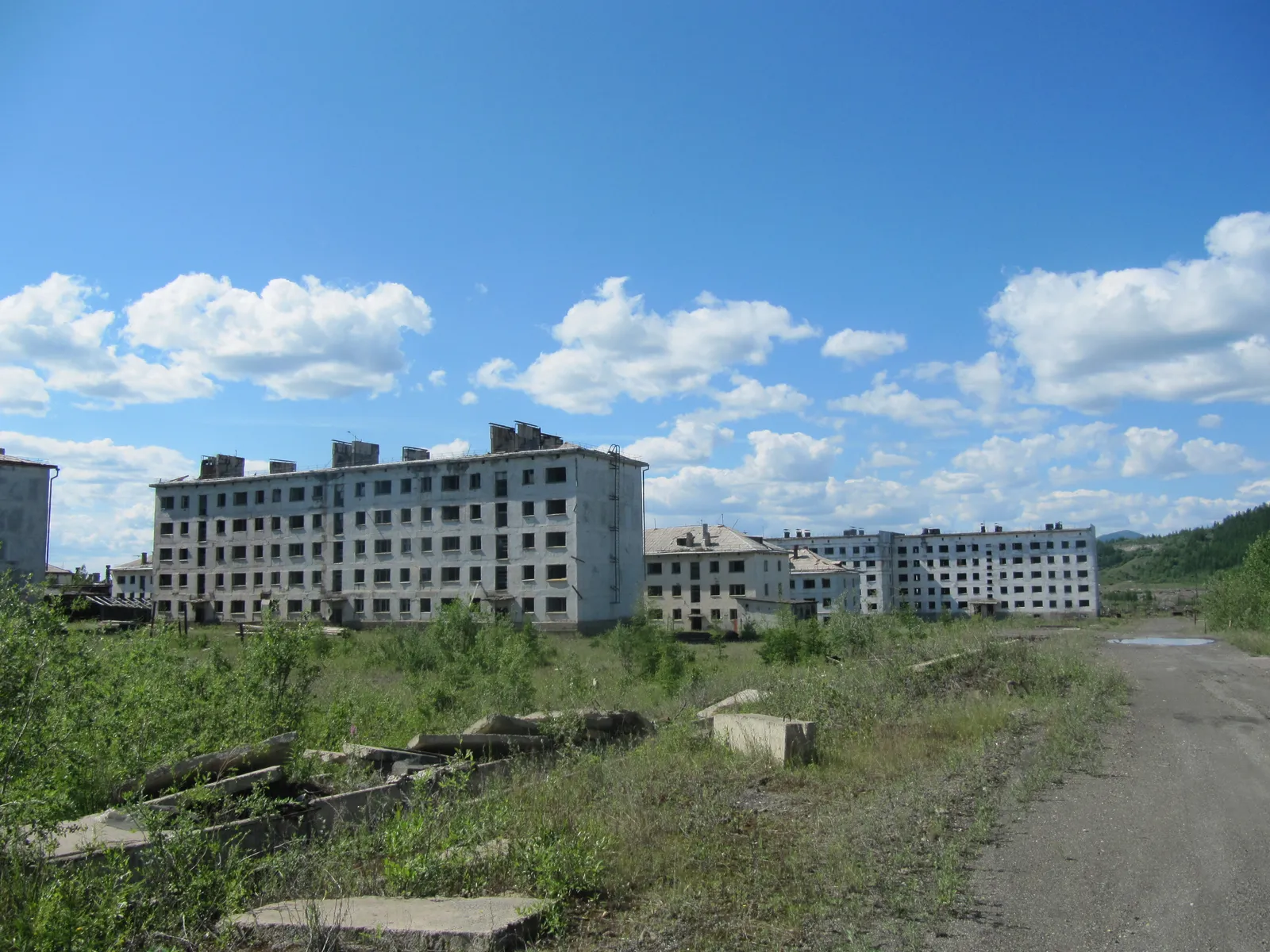
Built by Gulag prisoners during the Second World War to mine the coal of the Upper Kolyma, Kadykchan reached its peak around 1986 with more than 10,000 inhabitants, schools, a hospital and a cinema. The dissolution of the USSR made the extraction unprofitable: one mine closed in 1992, a deadly explosion in 1996 (six dead) sealed the fate of the other. The State subsidised departures and had the strategic buildings dynamited. The population collapsed to zero in the 2010 census. What remain are gutted apartment blocks and a decrepit bust of Lenin, in one of the harshest climates in Russia: an urbex of absolute solitude. (source: Wikipedia)
21. Kejonuma Leisure Land, Japan: the frozen amusement park
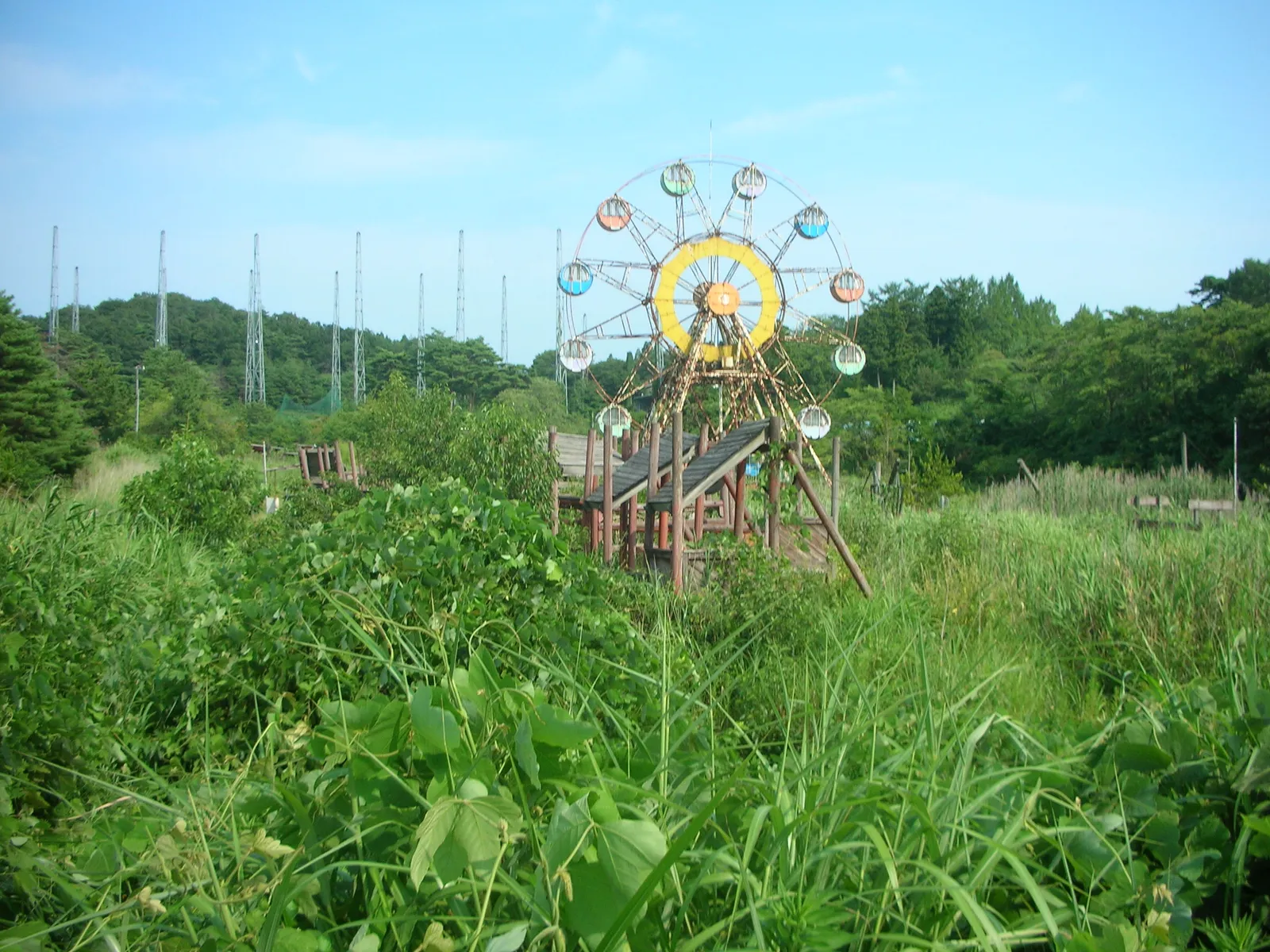
Opened in 1979 on the banks of a reservoir whose name evokes a ghost-woman legend, Kejonuma Leisure Land drew up to 200,000 visitors a year at its peak, despite a sparsely populated rural region of Tōhoku. The bursting of the Japanese financial bubble hastened its decline, and it closed in 2000 without ever being dismantled. Since then, a Ferris wheel with peeling paint, a carousel, pastel teacups and go-karts have rusted under the vegetation. The Ferris wheel, intact even after the 2011 earthquake, is the frozen symbol of this park suspended in time: an amusement-park haikyo on private property, with clandestine access.
22. North Brother Island, United States: New York's forbidden hospital island
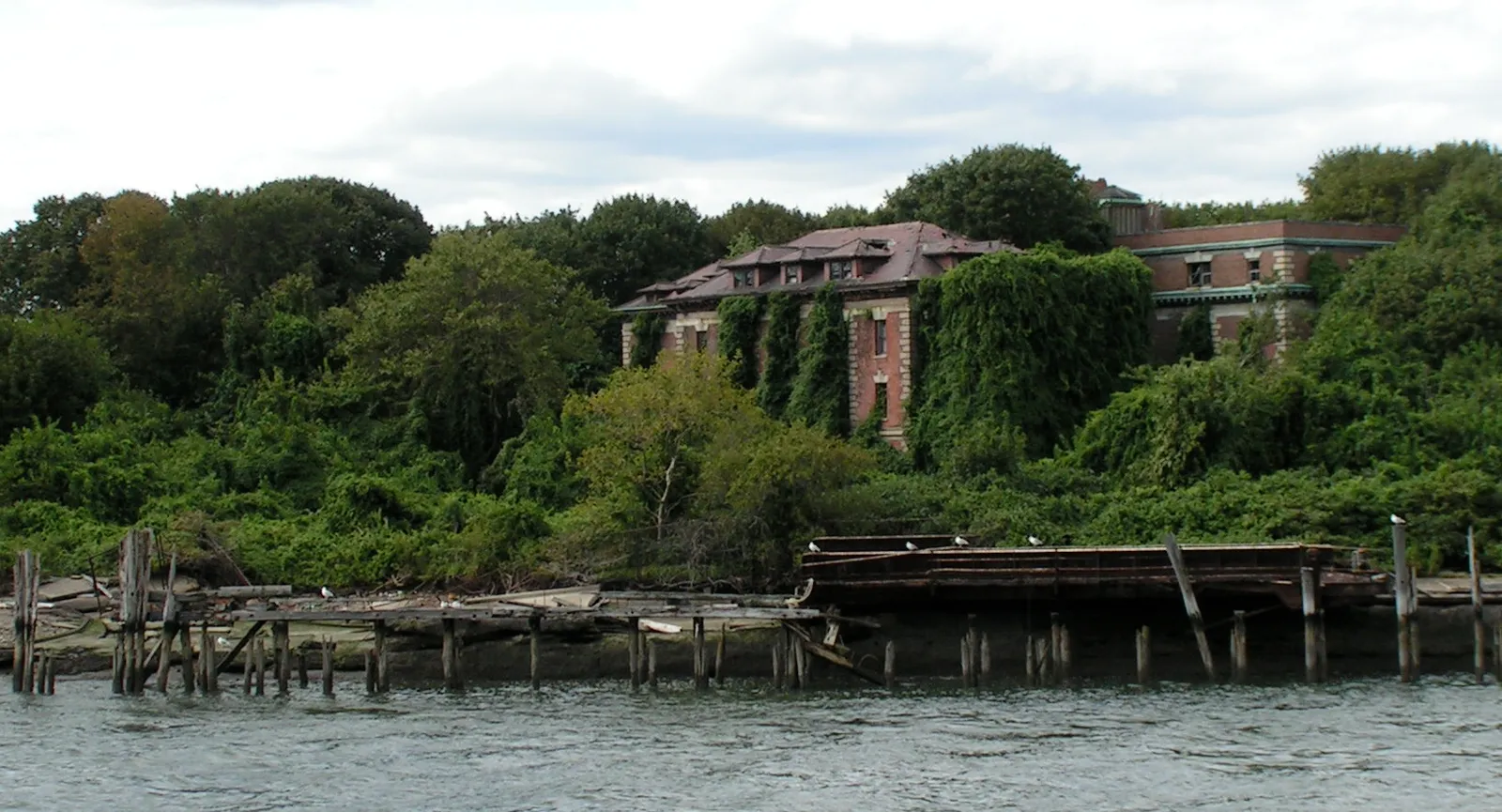
A stone's throw from the Bronx, this small East River island housed the Riverside quarantine hospital, where the famous "Typhoid Mary" died. After the General Slocum sank off its shores in 1904, it served as a veterans' centre then a rehab facility, closed in the mid-1960s. Since then, its twenty-five buildings have rotted under a forest that has become a protected bird sanctuary. Public access is strictly forbidden: only a few escorted researchers land there. Invisible and unreachable a few hundred metres from Manhattan, it's the grail of New York urban explorers. More spots on the United States urbex map. (source: Wikipedia)
23. Centralia, United States: the town that has burned since 1962
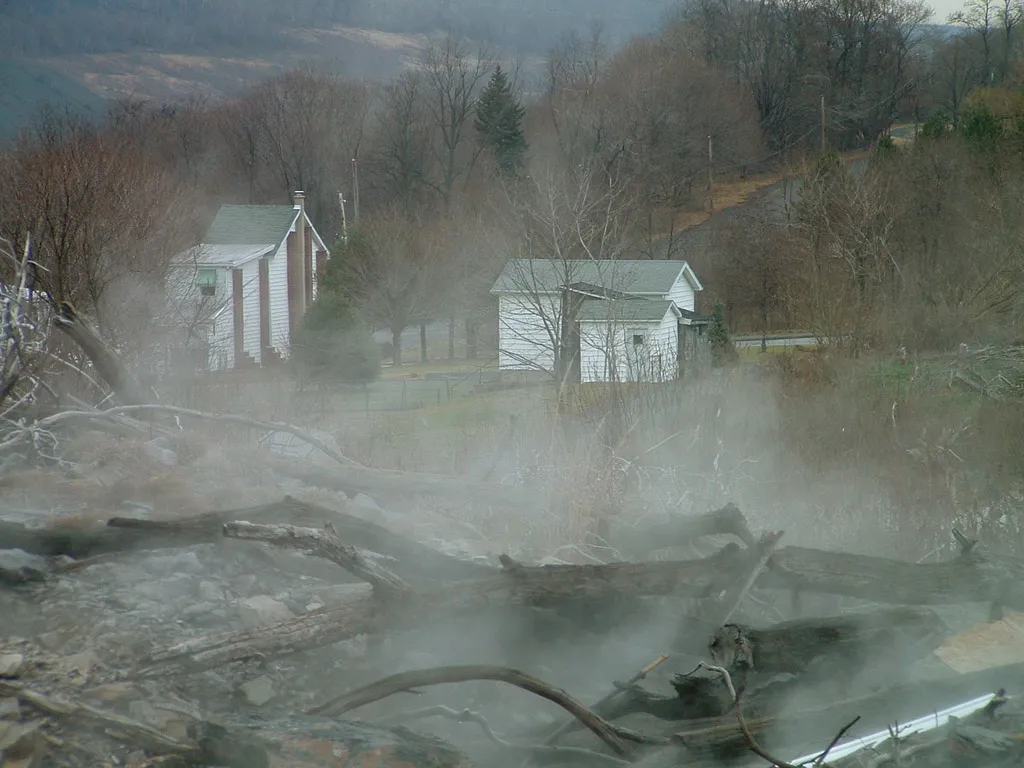
In 1962, a fire at a landfill ignited a surface coal seam: the fire spread through the labyrinth of galleries beneath the town and became uncontrollable. For two decades, toxic fumes and subsidence made life dangerous; in 1981, a teenager was nearly swallowed by a collapse. Congress funded relocation, the State expropriated, and the population fell from around 1,000 inhabitants in 1980 to 5 in 2020. The fire, for its part, is expected to burn for another two centuries. A direct inspiration for Silent Hill, Centralia is now just a grid of ghost streets in the forest, freely walkable but inadvisable. (source: Wikipedia)
24. Villa Epecuén, Argentina: the town that rose from the waters
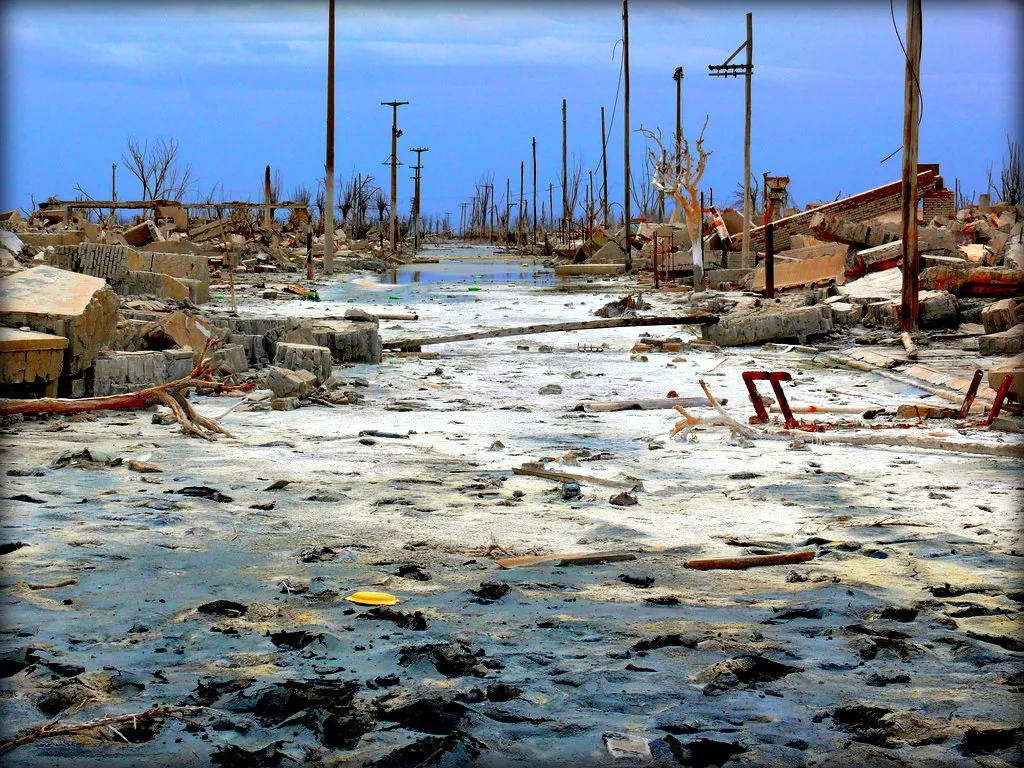
Founded in 1920 on the shore of a salt lake, Villa Epecuén was one of Argentina's first spa resorts, drawing up to 25,000 tourists per season. On 6 November 1985, after years of heavy rain, a dyke gave way: the water flooded the town and submerged it under nearly ten metres, forcing a total evacuation. It stayed underwater for about twenty-five years. When the waters receded around 2009, salt-bleached ruins re-emerged, skeletons of trees and the carcasses of cars. Pablo Novak, the last inhabitant, lived there alone until his death in 2024. Free access. Explore the Argentina urbex map. (source: Wikipedia)
25. Fordlândia, Brazil: Henry Ford's failed utopia in the Amazon
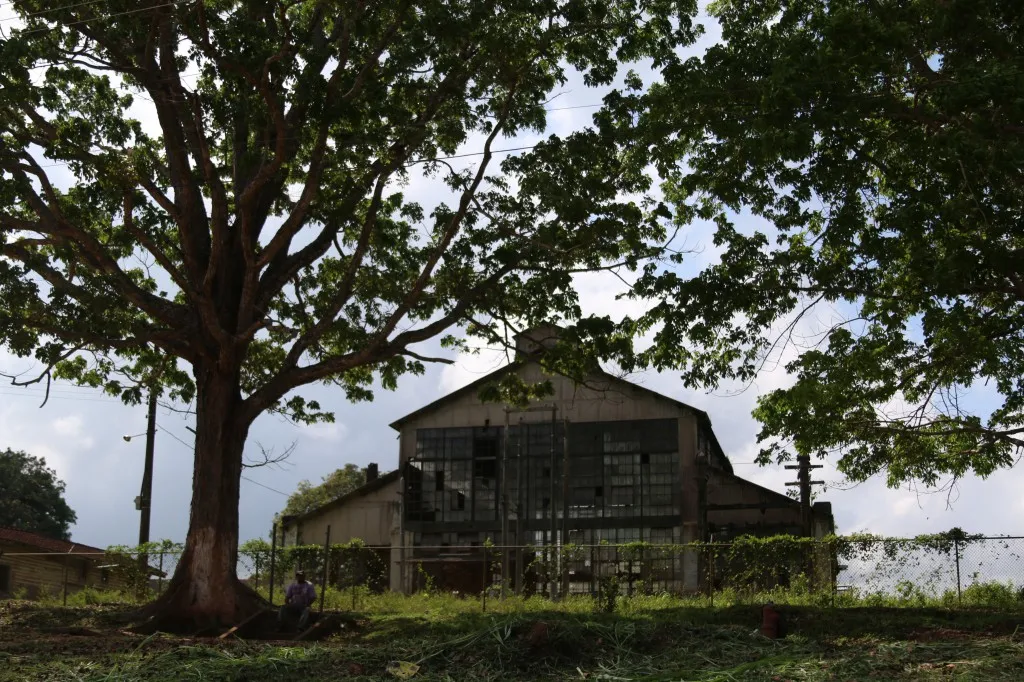
In 1928, Henry Ford bought a vast tract of Amazonian land on the Tapajós to grow rubber trees and break the rubber monopoly. Fordlândia was built like a model American town: Anglo-Saxon-style houses, a hospital, a water tower, alcohol prohibition and an imposed diet. But ignorance of tropical agronomy proved fatal: planted too close together, the rubber trees were devastated by a fungus, and the Brazilian workers revolted in 1930. Ford abandoned the project in 1934: as an American radio station summed it up, "not a single drop of latex from Fordlândia ever made it onto a Ford car." The industrial remains still stand in the middle of a partially re-inhabited town. To be found on the Brazil urbex map. (source: Wikipedia)
FAQ - Urbex and forbidden abandoned places
What is the most famous abandoned place in the world?
Pripyat, the town evacuated after the Chernobyl disaster in 1986, is the most recognised abandoned place on the planet, symbolised by its Ferris wheel that never opened. It's the undisputed star of this selection, followed by the Buran shuttle hangar at Baikonur and the Beelitz sanatorium.
Is urbex legal?
It all depends on the place and the country. Many of the sites on this page are on private property or in forbidden zones: entering them often amounts to trespassing, sometimes a criminal offence. The fact that a place "looks" abandoned doesn't make it legally accessible. Find out the status of each site, ask for permission when you can, and favour freely accessible places.
Is it dangerous to explore abandoned places?
Yes. Collapsing floors, asbestos, mould, unstable ground, stagnant water, and sometimes contamination (radioactivity at Chernobyl, asbestos at Wittenoom): the risks are real. Never explore alone, tell someone close to you, wear good shoes and carry a light, and turn back if a structure looks unstable. The golden rule: take only photos, leave only footprints.
Can you visit Pripyat and Chernobyl?
Before 2022, supervised guided tours were organised in the exclusion zone. Since the Russian invasion of Ukraine, tourism there has been suspended and the zone is militarised: Pripyat is now inaccessible. Its status will change with the geopolitical situation.
Why aren't famous places like Bodie or Hashima on the list?
This selection sticks to strict urbex: places that are either off-limits or freely explorable, never turned into a ticketed tourist site. Bodie, Kolmanskop, Hashima or Craco are authentically abandoned but are now visited for a fee: we cover them in a dedicated feature on famous abandoned places you can visit.
Where can you find more free abandoned places?
Our free urbex map lists more than 229,000 abandoned places across over 200 countries. Every free spot unlocks without a credit card in your My map space, and the paid packs give access to verified coordinates by theme or by region.
Conclusion: the planet is a forbidden playground
From the nuclear zone of Chernobyl to the forgotten shuttles of Kazakhstan, from the forts of the Thames to the hotels swallowed by the Japanese jungle, these 25 places tell the same story at different scales: that of what humanity builds, abandons, then leaves to nature. Wars, economic collapses, Soviet withdrawal, industrial or nuclear disasters: behind every ruin, a turning point in History. That's what makes urbex so fascinating, and it's also why it demands respect, both for the places and for the risks.
Explore with caution, never break a ban that puts you in danger, and take away only images. To keep the journey going, open the free urbex map: you'll find these 25 spots there and more than 229,000 others, all over the world, ready to be unlocked.