Mining apartments stranded above the clouds, a whole island abandoned to its coal mine, a torpedo test range swallowed by ivy, and an Art Deco hotel crowned the "Queen of Ruins" — Japan is one of the world's great lands of haikyo (廃墟, abandoned ruins). From the coal headframes of Hokkaido to the poison-gas island of the Seto Inland Sea, we picked 10 places still physically standing in 2026. Not ticketed tourist attractions, but real ruins you can still explore. From Kobe's Maya Kanko Hotel to Nikko's Western Village, they're ranked by visual impact and the weight of their history.
Our map gathers over 229,000 geotagged abandoned places across more than 200 countries. From that vast dataset we extracted only the genuine haikyo that still exist in 2026 and have not been converted into paid attractions. Each spot comes with its history, a video, and an "Add to my map" button that hands you the exact GPS coordinates for free — no credit card required. This is the flagship guide to exploring abandoned Japan. For those who want to dig deeper, we also have city guides: Tokyo, Osaka, Nagoya, Fukuoka, Sapporo.
Exploring abandoned Japan: why Urbex Maps is fundamentally different
Plenty of sites promise "free," then turn around and sell you the real location on some forum for a few thousand yen. We do the opposite. Just press the "Add to my map" button and the exact coordinates unlock in your own private space with no credit card. Our community of more than 40,000 explorers, going since 2021, verifies every set of coordinates at least twice before it goes public. The 10 spots below are ranked by visual punch and historical importance, each with its own page and a link to the map of abandoned Japan. Open them all from the free urbex map, or from your own my map.
The 10 best haikyo in Japan at a glance
| Place | Region | Type | Access in 2026 |
|---|---|---|---|
| Maya Kanko Hotel | Hyogo (Kobe) | Art Deco hotel | Off-limits / paid guided tours only |
| Matsuo Mine, Midorigaoka apartments | Iwate | Sulfur-mine housing | Outdoors / freely accessible |
| Kejonuma Leisure Land | Miyagi | Amusement park | Private land / trespassing |
| Kinugawa Onsen abandoned hotels | Tochigi (Nikko) | Hot-spring inns & hotels | Off-limits / trespassing |
| Hachijo Royal Hotel | Tokyo (Hachijojima) | Resort hotel | Off-limits / patrolled |
| Ikeshima | Nagasaki | Coal-mining island | Reachable by public ferry |
| Katashima Torpedo Test Range | Nagasaki (Kawatana) | Former navy facility | Park / freely accessible |
| Okunoshima | Hiroshima (Takehara) | Poison-gas factory | Reachable by ferry / free |
| Tonaru (Besshi Copper Mine) | Ehime | Copper-mine ruins | Semi heritage site / open to visit |
| Western Village | Tochigi (Nikko) | Theme park | Off-limits / trespassing |
1. Maya Kanko Hotel (Hyogo, Kobe): the Queen of Ruins
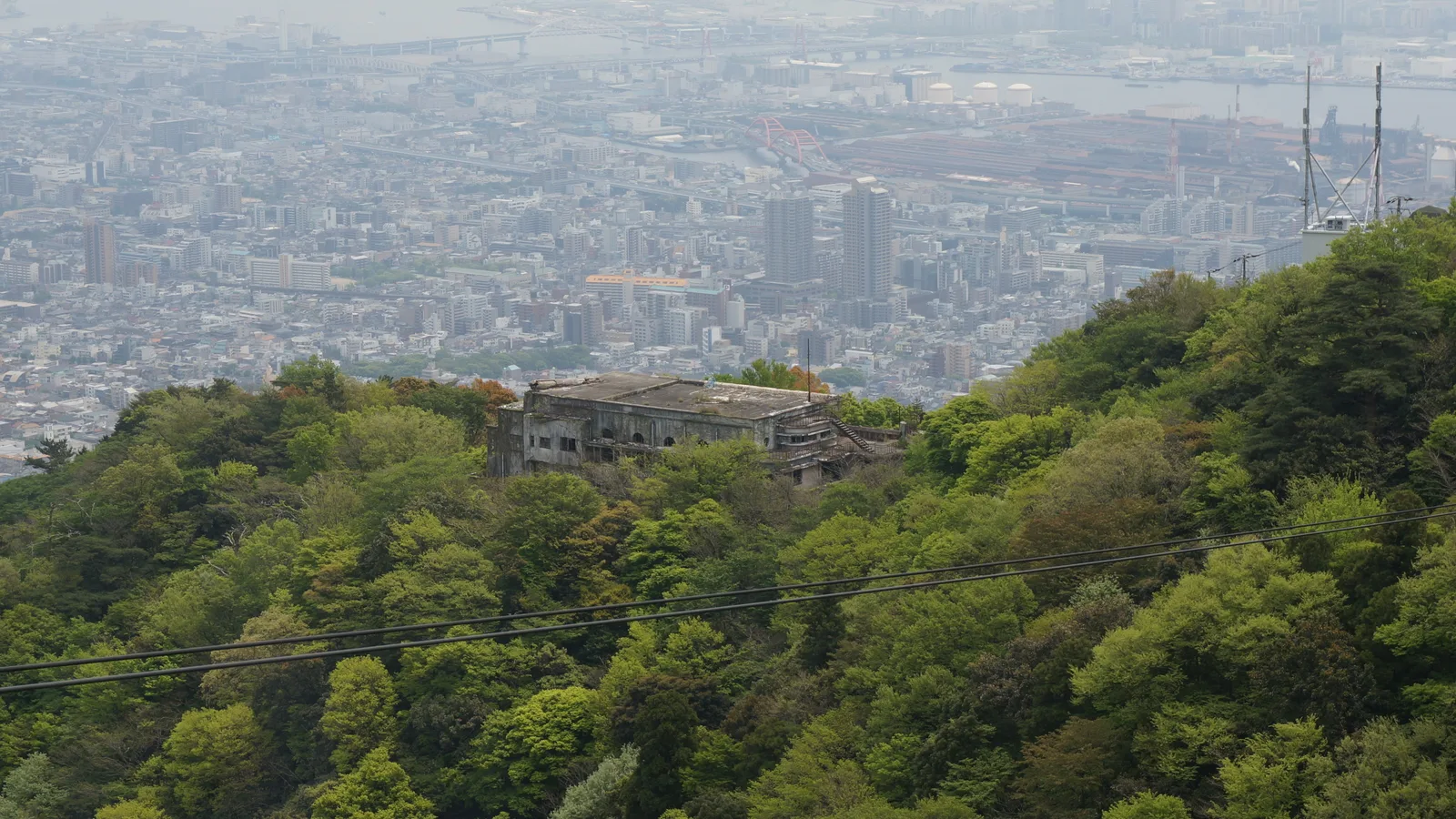
Opened in 1929 on the slopes of Mount Maya in Kobe, the Maya Kanko Hotel was an Art Deco masterpiece styled after an ocean liner. After the war it was repurposed as a student dormitory before closing for good, and the 1995 Great Hanshin earthquake dealt the final blow, leaving it completely abandoned. Yet it kept standing on the mountainside, and in time earned its nickname: the "Queen of Ruins." In recent years the owner and a preservation group have carried out restoration work, and the interior is now an off-limits area you can only enter on a paid guided tour. Trespassing is not permitted — if you want to see it, always use an official tour. The full history is on Wikipedia. Find more ruins on the map of abandoned Japan.
2. Matsuo Mine, Midorigaoka apartments (Iwate): paradise above the clouds
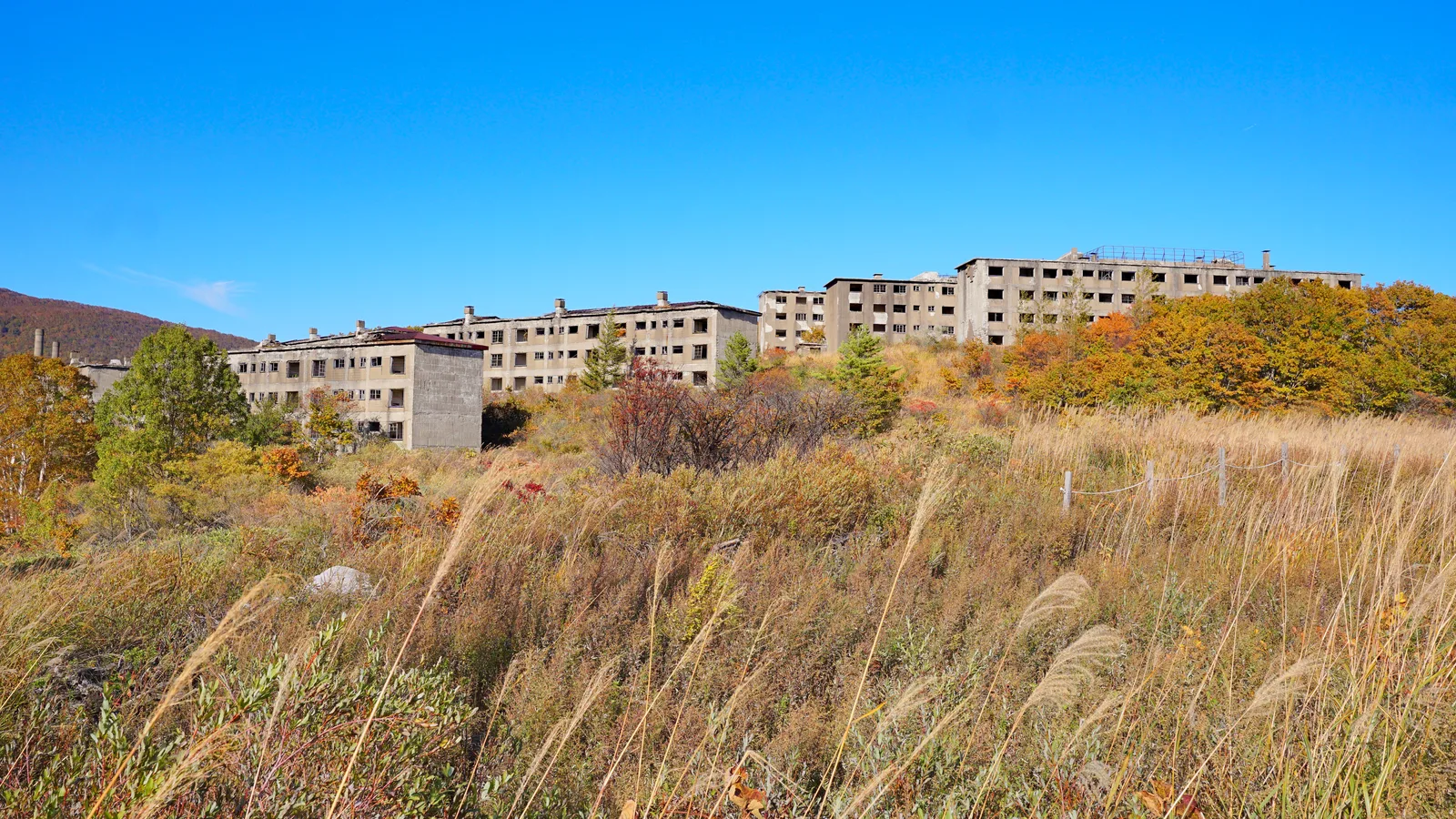
Spread across the mountains of Hachimantai at an altitude of roughly 1,000 meters, the Matsuo Mine was once hailed as the largest sulfur mine in the East. At its 1950s peak it was home to some 15,000 people and, in an era when this was almost unheard of, its reinforced-concrete apartments came with flush toilets and central heating — earning it the name "paradise above the clouds." When the mine closed in 1969 the people left, and only eleven enormous housing blocks remained, stranded in the mist. The countless hollow rooms with their windows fallen out, sprawling across the slope, make one of the defining images of abandoned Japan. The outdoor remains can be visited, but treatment of acidic mine water still continues on the site. More on Wikipedia.
3. Kejonuma Leisure Land (Miyagi): the amusement park with a rusting Ferris wheel
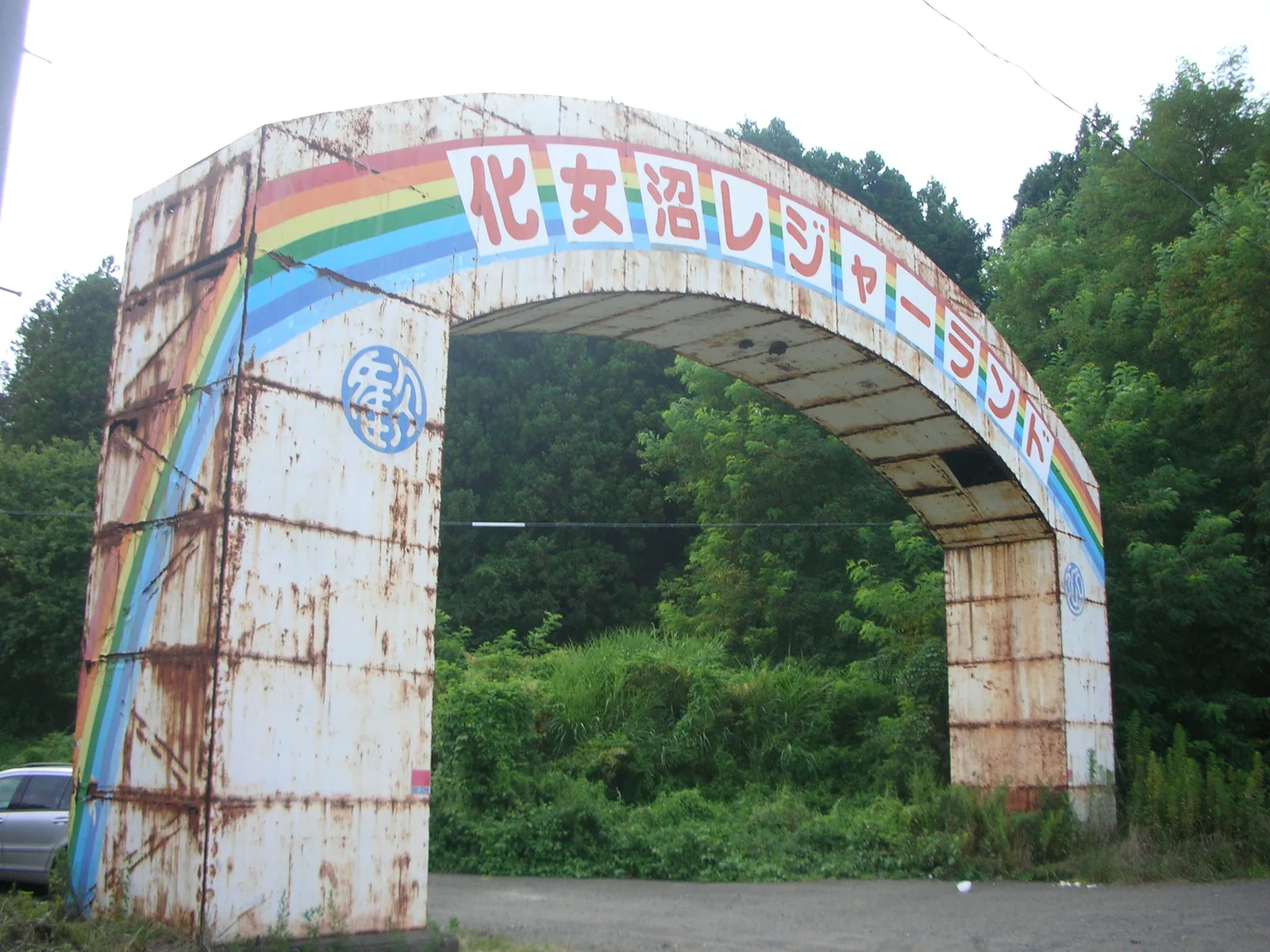
On the shore of Kejonuma pond in the city of Osaki, "Kejonuma Leisure Land" opened in 1979. It was a regional amusement park with a Ferris wheel, a roller coaster and a merry-go-round, but it couldn't hold back the fall in visitors and closed in 2000. For more than 20 years since, the rust-red Ferris wheel has stood frozen, looking out over the pond. The rides, never dismantled and now sinking into the weeds, feel like a mirror of post-bubble Japan. This is private land, and officially it counts as off-limits and trespassing. Keep to viewing it from the perimeter and do not cross the fence.
4. Kinugawa Onsen abandoned hotels (Tochigi, Nikko): derelict inns lined along the cliff
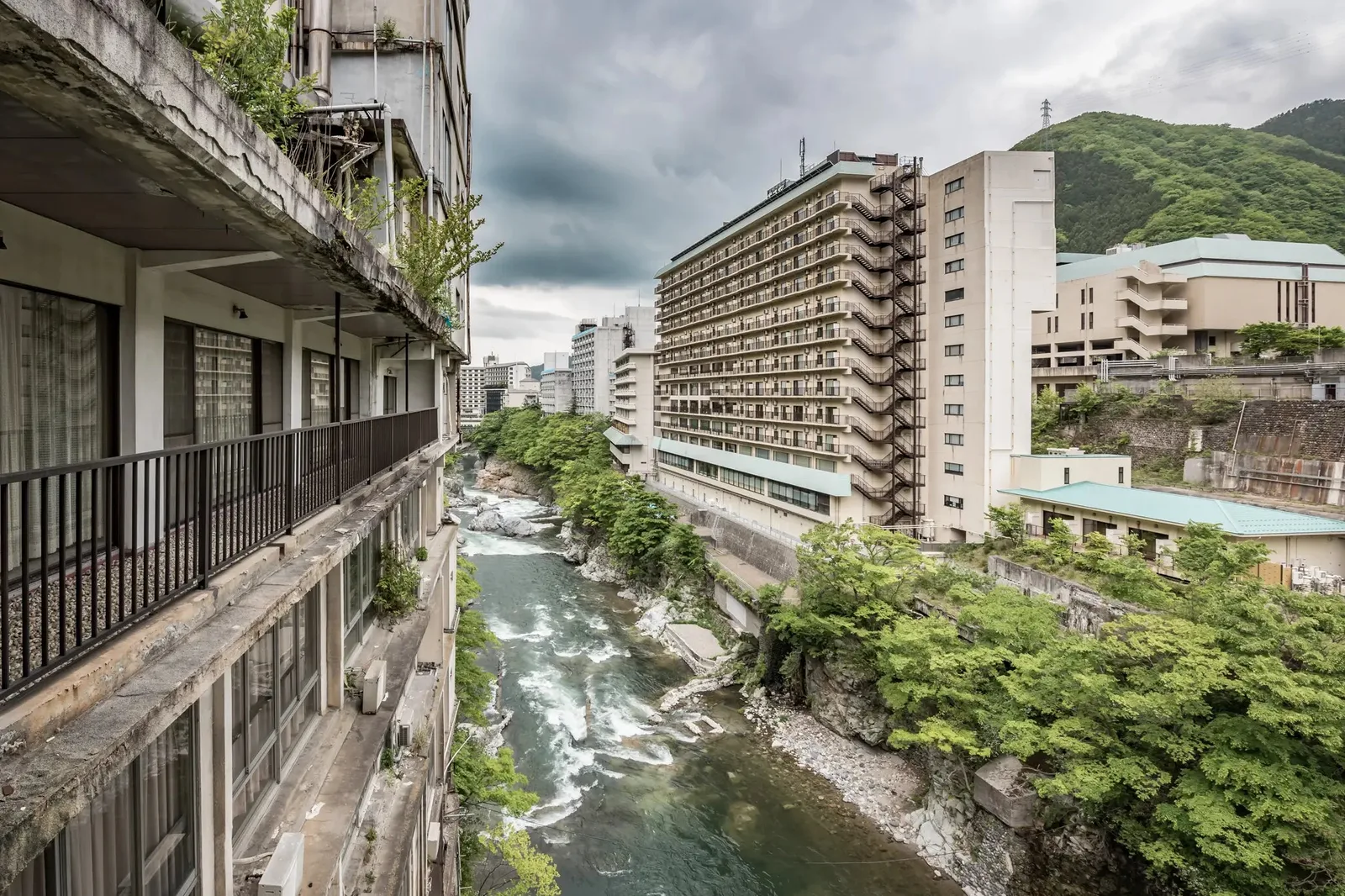
Once a favorite getaway close to Tokyo, Kinugawa Onsen thrived. During the high-growth years, large hotels and inns crowded the gorge and buzzed with tour groups. But when the bubble burst the visitors drifted away and the businesses failed one after another. Today, atop the cliffs of the Kinugawa River, giant concrete hulks with shattered windows stand lined up like ghosts. So many ruins surviving right beside a still-operating hot-spring town make one of the most eloquent portraits of post-bubble Japan. These buildings are off-limits and their interiors extremely dangerous — the rule is to look from the outside. A more detailed record is on Lost Collective.
5. Hachijo Royal Hotel (Tokyo, Hachijojima): one of Japan's largest abandoned hotels
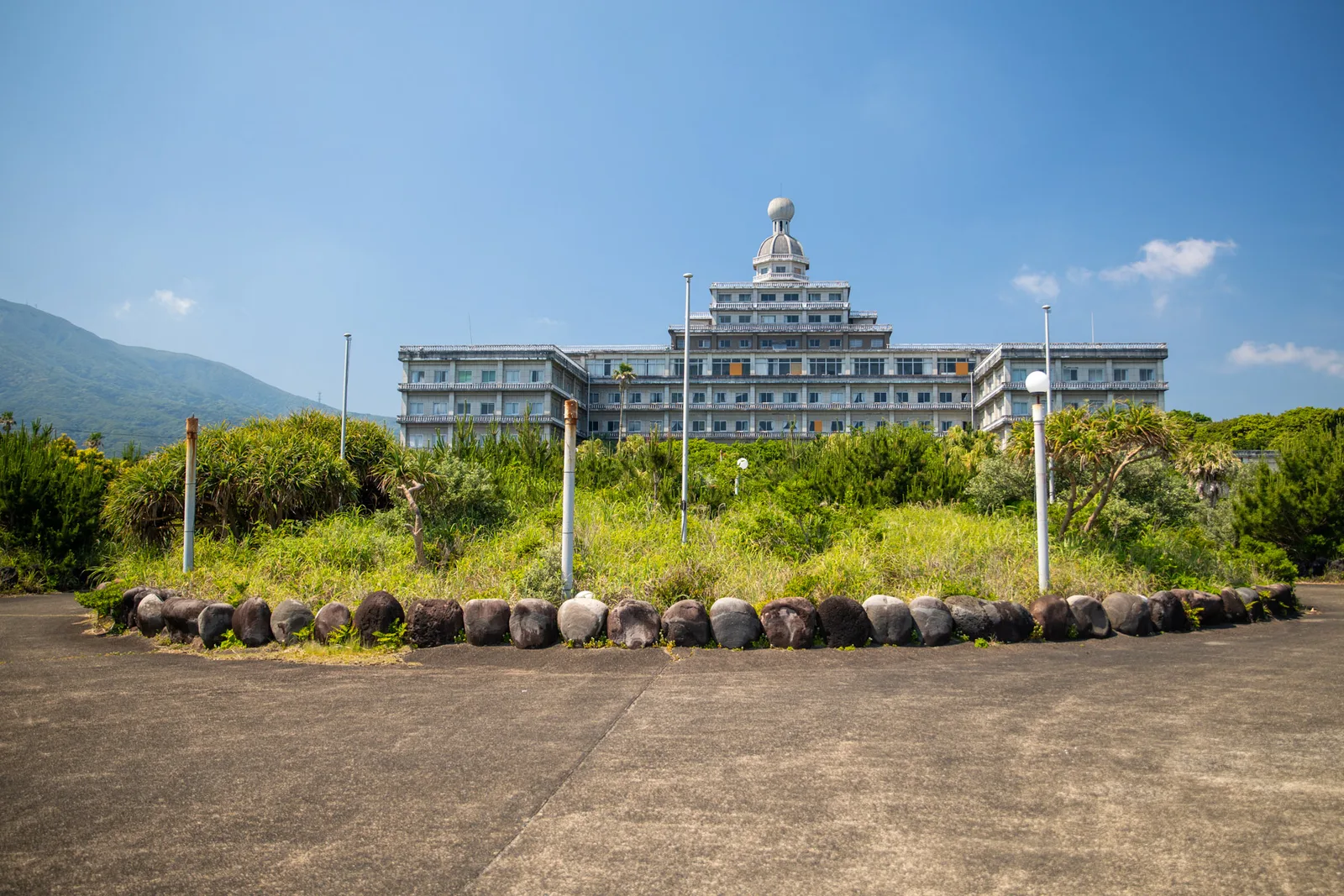
About 290 kilometers south of Tokyo, on Hachijojima in the Izu Islands, stands what is said to be one of Japan's largest abandoned hotels: the Hachijo Royal Hotel. It opened in 1963, when the island was called "the Hawaii of Japan" and riding a honeymoon boom, a lavish resort that boasted interiors evoking a European palace. But as overseas travel became affordable, the island's tourism declined and it closed around 2006. Since then, subtropical plants have swallowed the lobby fountain and chandeliers, creating a scene like a palace sunk into the jungle. It is off-limits and patrolled; trespassing is not permitted. The record is on haikyo.org.
6. Ikeshima (Nagasaki): the coal-mining island you can reach by ferry
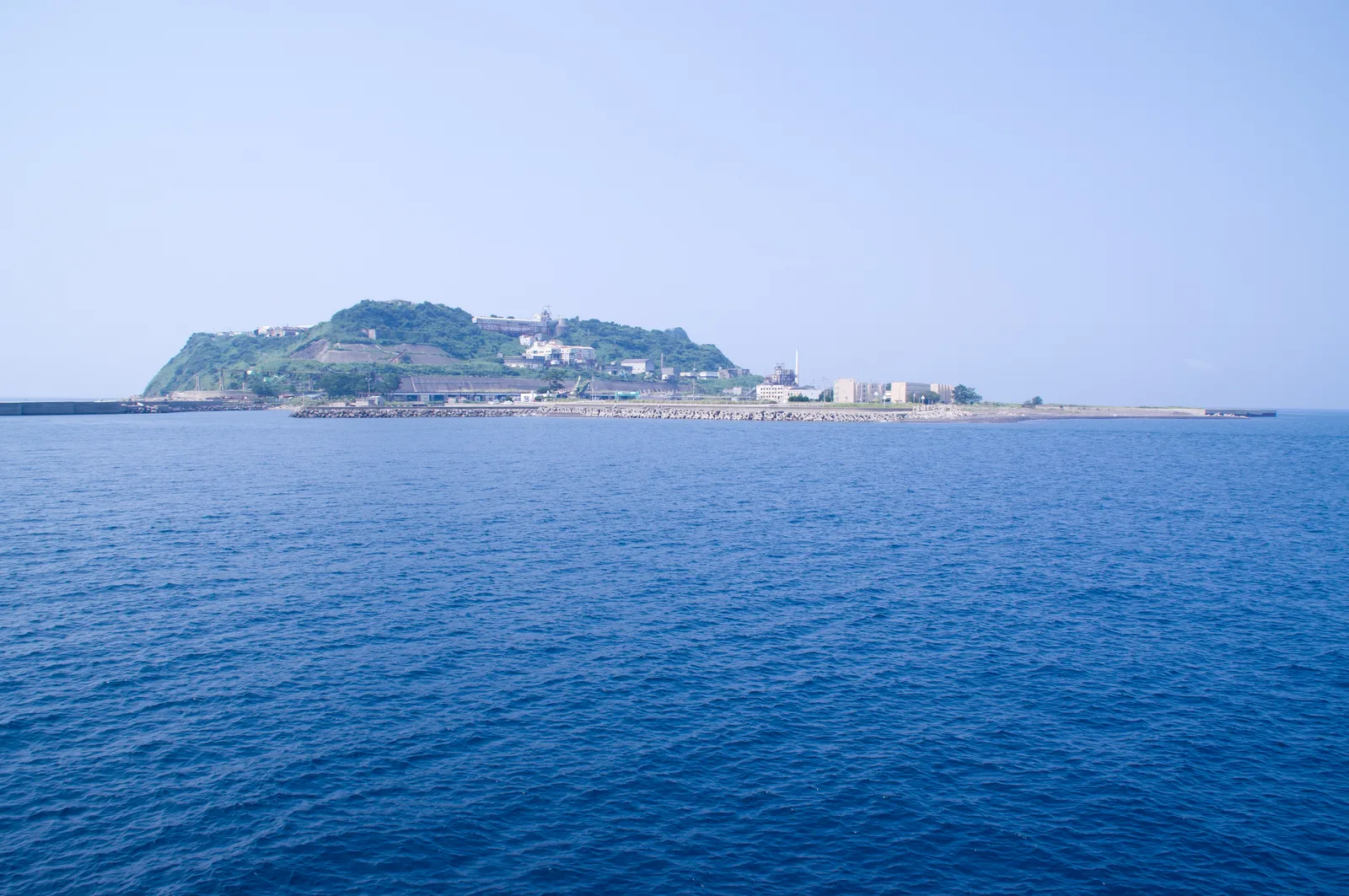
Floating off the coast of Nagasaki, Ikeshima was Kyushu's last coal-mining island. At its peak it housed some 8,000 people — a small city of high-rise apartments and shopping streets — but with the 2001 closure of the mine the population collapsed. A small number of islanders still live here, while the vast, now-empty housing blocks cover the slopes, creating a singular landscape you might call a living ruin. Where the famous Gunkanjima (Hashima) can only be approached on a landing tour, Ikeshima can be reached freely by public ferry, and even offers underground mine tours — that's its appeal. More on Wikipedia.
7. Katashima Torpedo Test Range (Nagasaki, Kawatana): navy ruins drowning in ivy
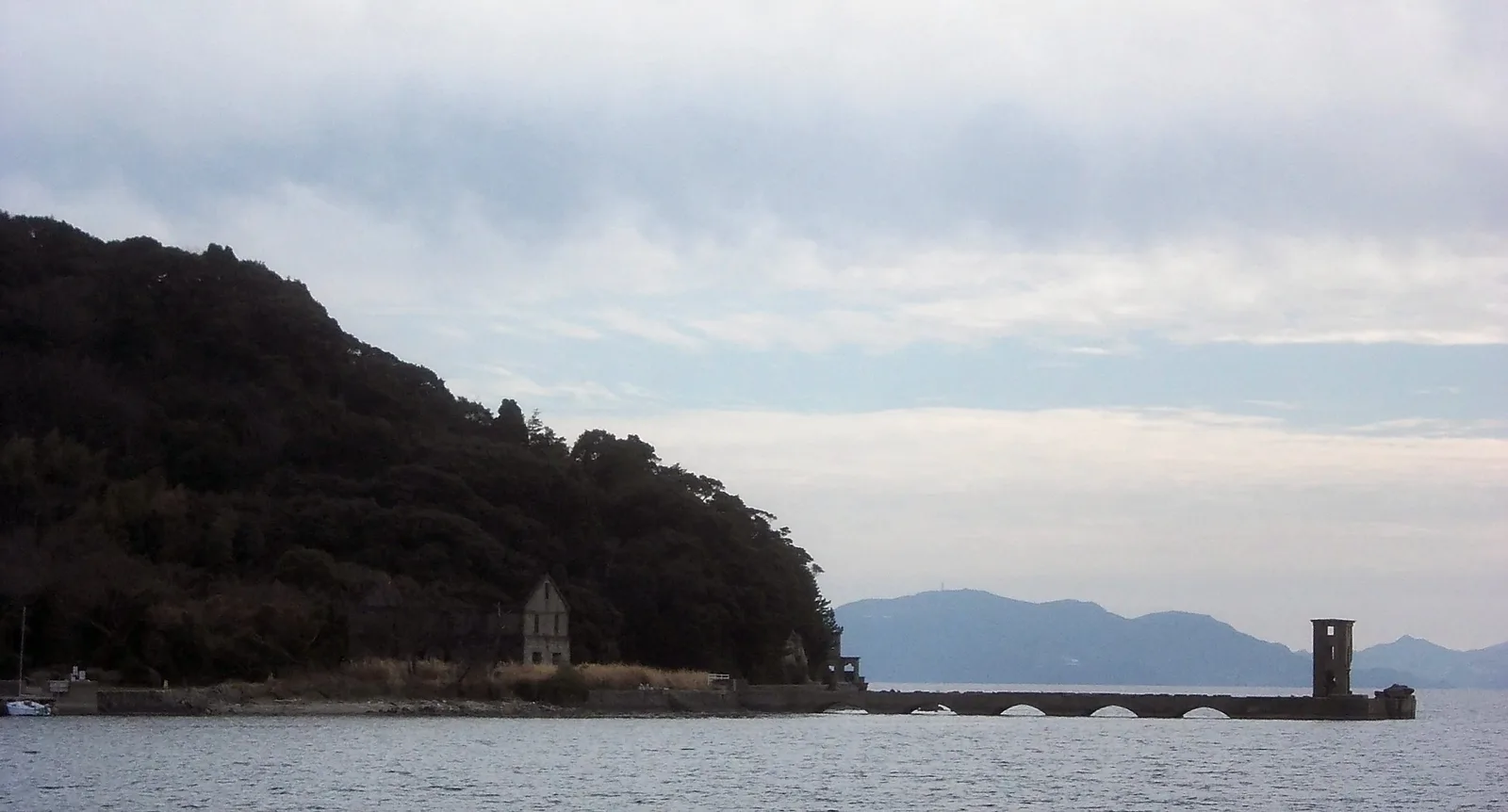
On the Katashima peninsula in the town of Kawatana lie the remains of the Katashima Torpedo Test Range, where the navy tested torpedo performance from around 1918 until the end of the war in 1945. Concrete structures — a launch platform jutting into the sea, a watchtower, an engine house — have, over nearly 80 years, been draped in a blanket of ivy, taking on a dreamlike look worthy of a castle from Laputa. A war relic, yet here it has been turned into a park that anyone can visit freely — a rare spot where you can savor a ruin's atmosphere entirely legally, buried in green by summer. Find Nagasaki's other ruins on the map of abandoned Japan.
8. Okunoshima (Hiroshima, Takehara): the ruins of the poison-gas island
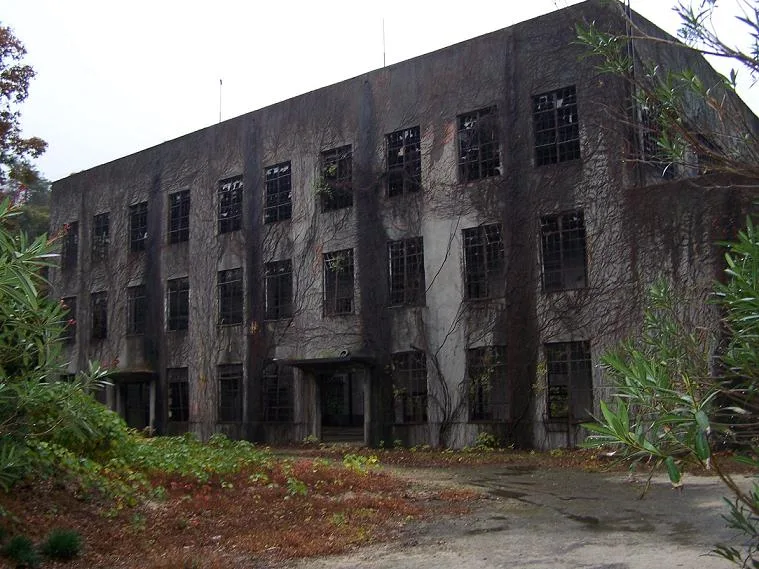
Popular today as "Rabbit Island," Okunoshima carries a heavy history beneath that image. From before the war until 1945, the Imperial Japanese Army secretly manufactured poison gas here, and the island was erased from the maps. The remains of a power plant, poison-gas storehouses and gun batteries still stand on the island, creating a strange scene where countless rabbits and ruins coexist. You can land freely by ferry and the remains are open outdoors, but take care not to get too close to the decaying structures. The full history is on Wikipedia.
9. Tonaru (Ehime, Besshi Copper Mine): the Machu Picchu of the East
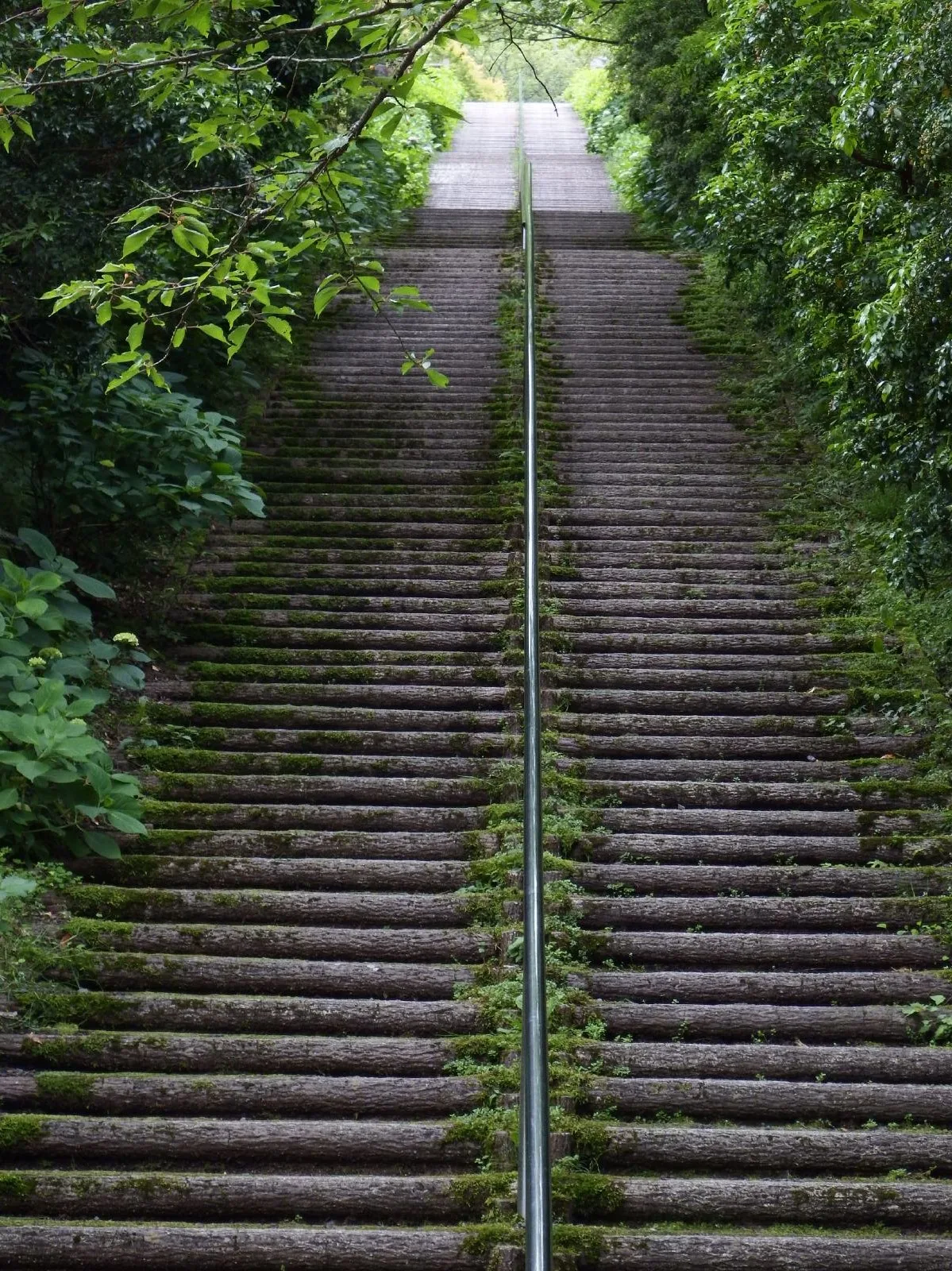
Deep in the mountains above Niihama, Shikoku, at an altitude of 750 meters, Tonaru was one of the nerve centers of the Besshi Copper Mine, worked from the Edo period until 1973. After the mine closed, the brick-and-stone remains of ore bins and cableway stations were left behind amid deep greenery, and their solemn presence earned them the name "the Machu Picchu of the East." Part of the site is now maintained as industrial heritage and open to visitors. Combining the impact of a ruin with the reassurance of a tourist site, it's an easy spot to recommend even to beginners. You can find Shikoku's other ruins too on the map of abandoned Japan.
10. Western Village (Tochigi, Nikko): a decaying Wild West town
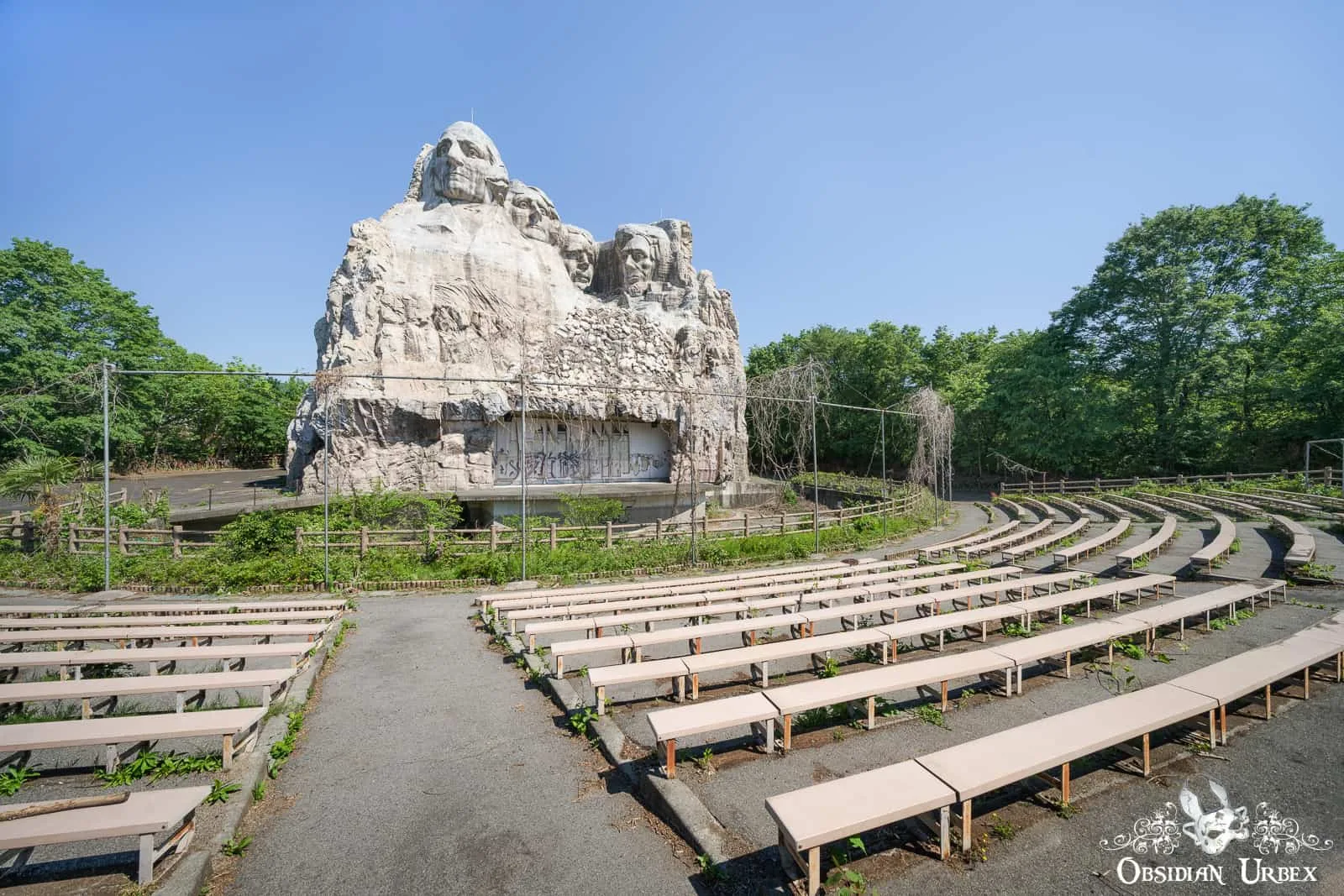
Along a national highway in Nikko lies a bizarre ruin: an entire American Wild West town, rotting away. This is Western Village. It opened in the 1970s and sold itself on authentic-feeling saloons and a sheriff's office, plus animatronics (moving figures) playing Lincoln and gunslingers, but a falling number of visitors led it to close in 2007. The abandoned figures, gathering dust as they decay, give off an eeriness unlike any other ruin. Demolition is slowly progressing, and the grounds are off-limits and trespassing. Take a look, too, at the abandoned places around Tokyo in the same Nikko area.
Exploring abandoned Japan: frequently asked questions
Is it legal to enter abandoned places in Japan?
"Exploring" in itself is not a crime, but almost every ruin has an owner (private, municipal or national), and entering without permission may amount to breaking and entering or trespass. Some places can be accessed legally via parks or public transport — the Katashima Torpedo Test Range, Okunoshima, Ikeshima and Tonaru — while Kejonuma Leisure Land, the Kinugawa Onsen abandoned hotels and Western Village are off-limits and trespassing. Some, like the Maya Kanko Hotel, can only be entered on a paid guided tour. Don't cross fences, don't break anything, and if you're asked to leave, comply.
What is the most famous abandoned place in Japan?
The best known worldwide is surely Gunkanjima (Hashima), off Nagasaki. You can only approach it on a landing tour, but as a ruin of an entire island it's in a class of its own. If you narrow it to the more freely accessible spots in this article, the "Queen of Ruins" Maya Kanko Hotel, the sky-high Matsuo Mine, and the ferry-reachable Ikeshima draw the most fans for their impact and ease of access.
How do I get the GPS coordinates for these places?
Each spot above has a card with an "Add to my map" button. Click it and the exact GPS coordinates are saved to your own private my map. It's free, and no credit card is required. Open all your saved places together on the free urbex map and explore them region by region.
Where are there the most abandoned places in Japan?
The high-quality spots cluster in the big cities and the former industrial regions. We've put together dedicated city guides: Tokyo, Osaka, Nagoya, Fukuoka, Sapporo. And take a look at the full map of abandoned Japan, which holds thousands more sites.
Is urbex dangerous?
Yes, the dangers are real. Floors and roofs can give way, and asbestos, broken glass and — especially — mine shafts are extremely dangerous. Avoid going alone, bring a flashlight and sturdy shoes, tell someone where you're going, and respect the barricades. The tunnels of Matsuo Mine and the Besshi Copper Mine, and the decaying facilities of Okunoshima, are absolutely not places to approach lightly.
Explore the map of abandoned Japan
These 10 places are only the tip of the iceberg. The map of abandoned Japan gathers thousands of geotagged spots with their coordinates, from Hokkaido to Okinawa, from remote islands to the mountains. Start with your own region, add your favorites to my map, and head out to explore — never forgetting respect for the place, and your own safety.