Sweden hides a powerful side of urbex behind its forests: a ghost metro station that trains pass without stopping, abandoned tuberculosis sanatoriums swallowed by pine woods, iron-ore ghost towns being eaten by mining subsidence, and a derelict castle on a lake island. Our map gathers thousands of abandoned places (övergivna platser) across Sweden, and this is where we picked the ten below.
In this guide we have chosen 10 abandoned places in Sweden to explore in 2026: an abandoned hospital, a ghost subway station, two sanatoriums, two mining ghost towns, a manor-castle, a paper-mill ruin, an old blast furnace and a Cold War fortress. Each one is verified individually: we only kept places that are genuinely abandoned or derelict in 2026, and we flag the ones that are now museums or being demolished. Under each entry, an "Add to my map" button saves the GPS coordinates to your account, for free and without a card.
The terms abandoned places Sweden, urbex Sweden, övergivna platser and lost places all point to the same hunt: finding, photographing and documenting what no one uses any more. Discover thousands of abandoned places across Sweden on the interactive urbex map →
Urbex Sweden for free: why Urbex Maps changes the game
Most "abandoned places in Sweden" lists end by sending you to a closed group where coordinates are shared "by contacts". We do the opposite. Under each place there is an "Add to my map" button that saves the exact GPS point to your account, for free and without a card, in your personal space. Behind it sits a real verification model: a community of more than 40,000 explorers since 2021, and every coordinate is checked at least twice before it reaches the map. Free spots are free; paid packs fund the moderation. We have ordered the ten places by visual impact and historical weight.
Why some famous places are not on this list
Let's be honest: many famous Swedish "lost places" are gone. The huge Beckomberga and Långbro mental hospitals near Stockholm have been turned into housing and parks; Säter's notorious forensic pavilion was demolished in 2023; and the Kolsyrefabriken in Liljeholmen burned and was razed in 2021-22. We have left only places that are genuinely standing in 2026, and we are upfront where a site is now a museum (Hemsö) or is actively being demolished (Malmberget).
1. Gamla Löwenströmska lasarettet: an abandoned hospital born of guilt
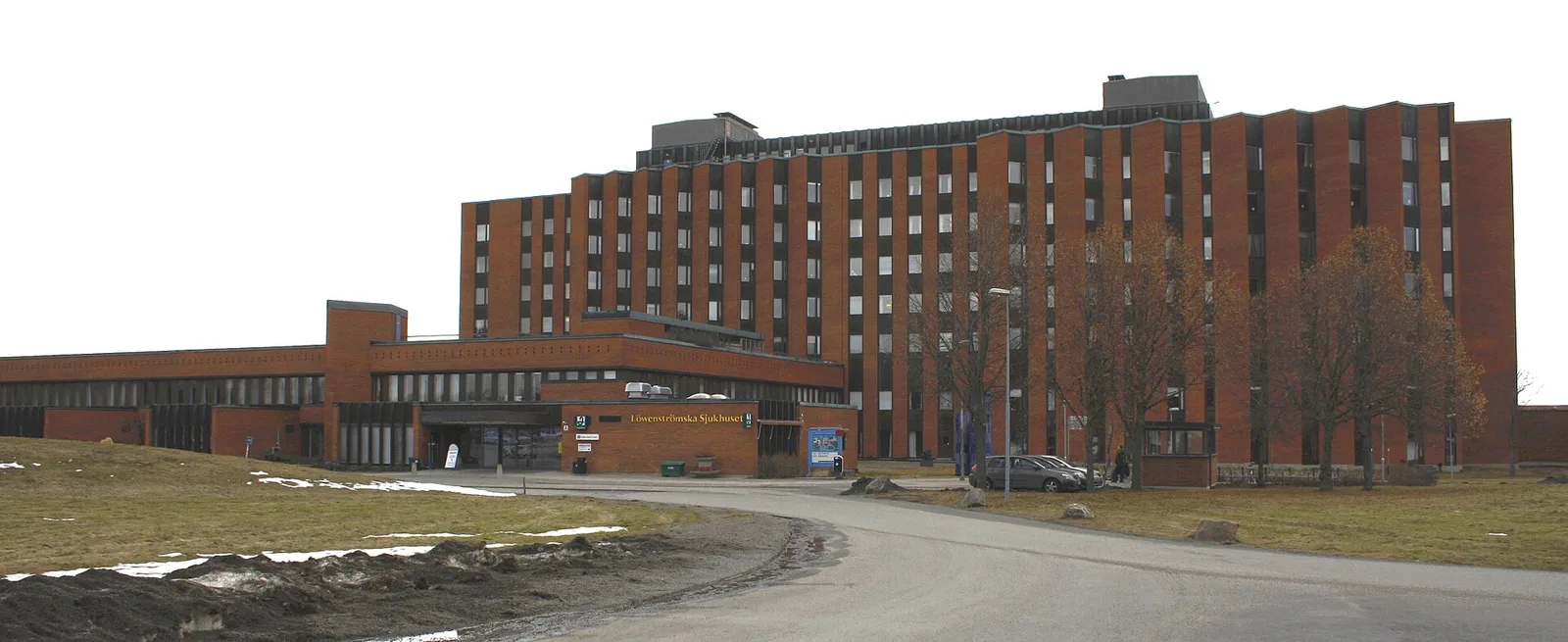
By Lake Fysingen in Upplands Väsby, about 25 km north of Stockholm, stands the old Löwenströmska lasarettet, an abandoned hospital and asylum with a dark origin. It was founded in 1809-1811 by cavalry captain Gustaf Adolf Löwenström as an act of atonement: his brother Jacob Johan Anckarström had assassinated King Gustav III at the Stockholm opera masquerade in 1792, and Gustaf Adolf changed the family name to restore its reputation.
A sanatorium and a psychiatric "Asylen" were added over the next century. The old hospital worked until 1993, and the buildings have stood empty since 2009, when the county council sold them; plans to turn them into housing keep stalling because of Arlanda aircraft noise. It is a notorious "haunted" urbex site, decaying behind a fence. More places on our Upplands Väsby urbex map. It is the old, derelict complex - not to be confused with the modern Löwenström hospital still in use right next door.
2. Kymlinge: the ghost subway station where only the dead get off
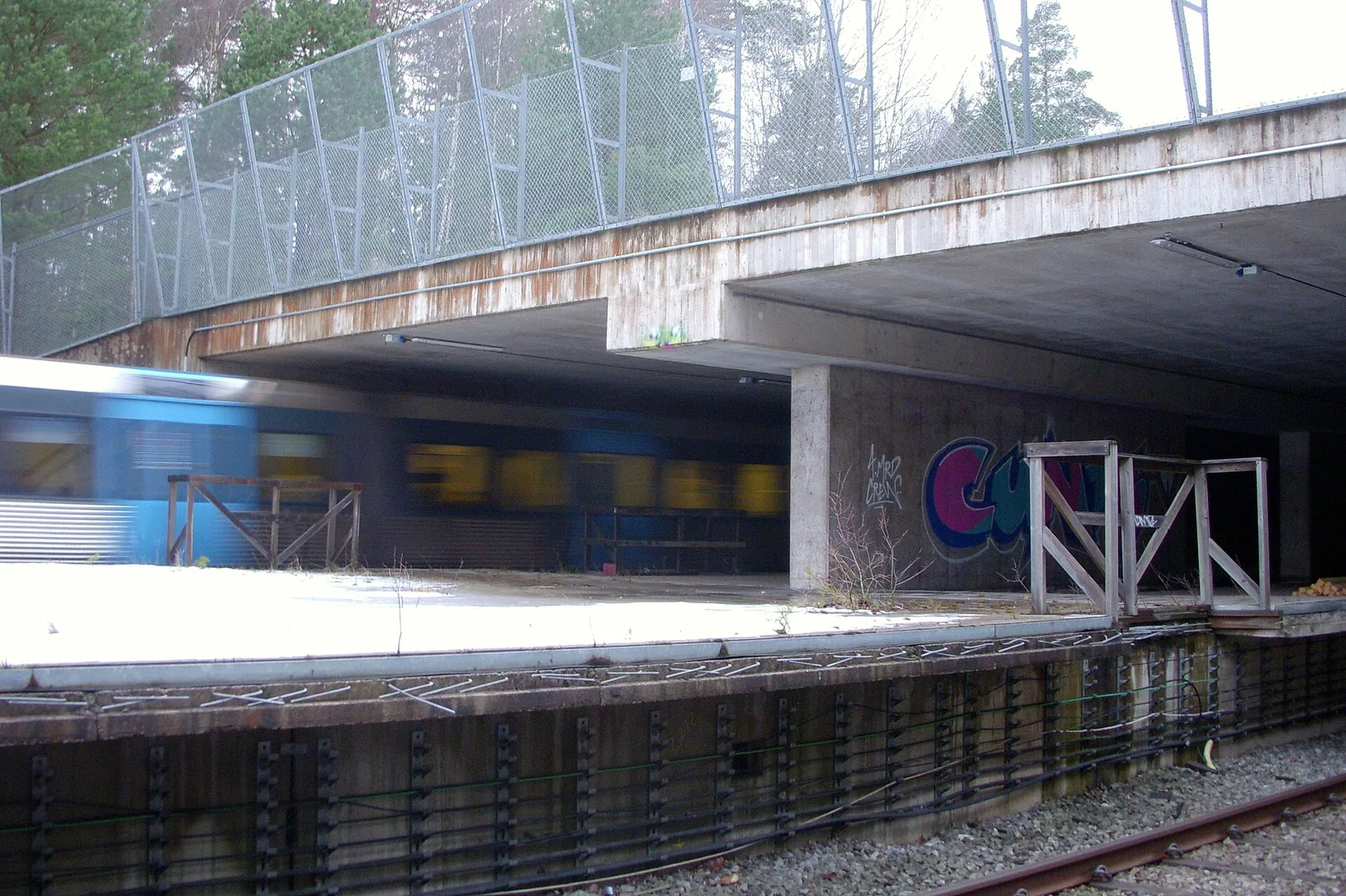
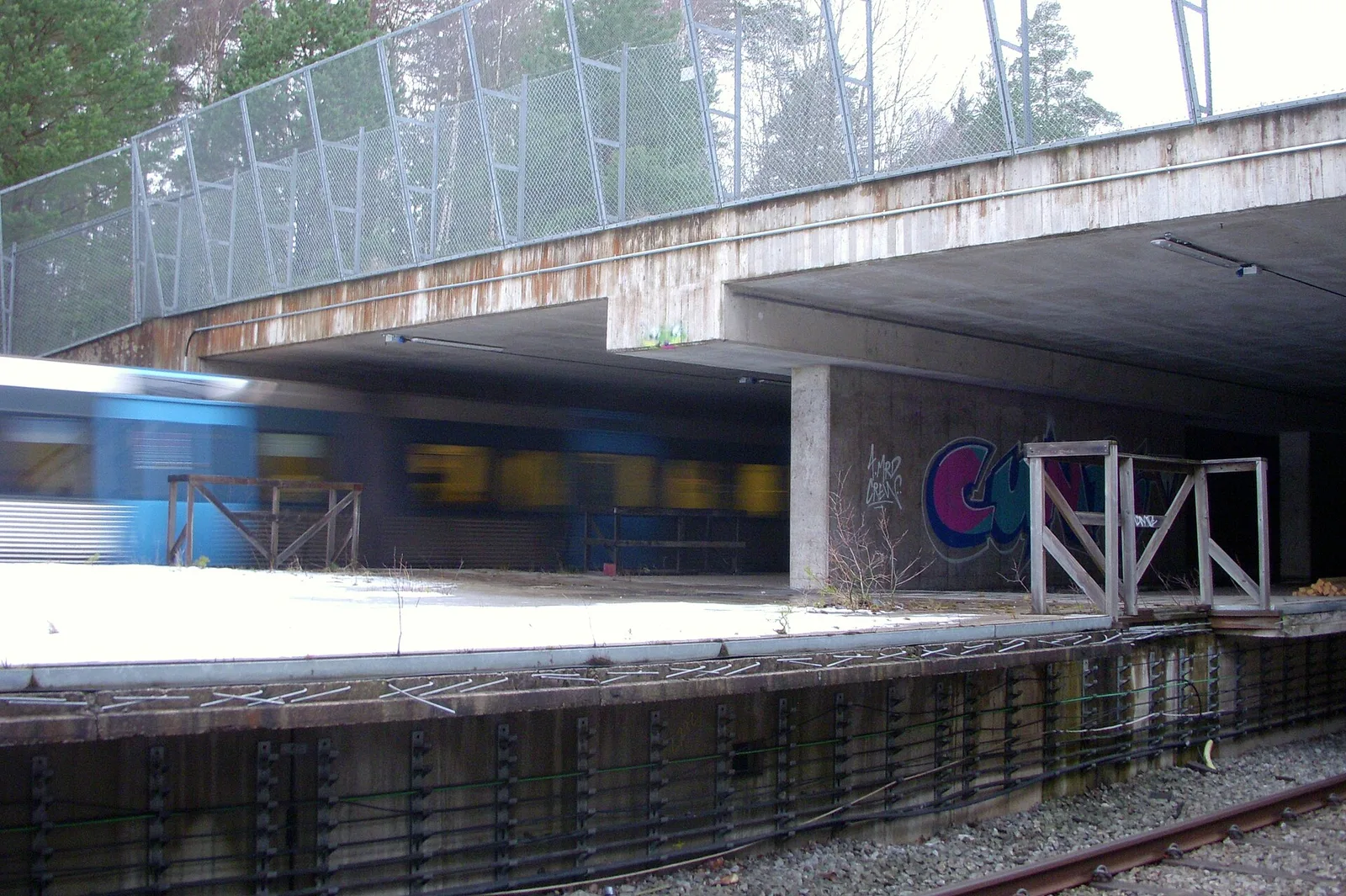
Between Hallonbergen and Kista, in Sundbyberg near Stockholm, sits Kymlinge, Sweden's famous ghost subway station. It was built as a raw concrete shell in the late 1970s to serve a new suburb, but the suburb was scrapped and the blue line opened in 1977 without it: no ticket halls, no escalators, no lifts. Trains pass through at full speed.
The empty station spawned Sweden's best-known metro legend, the ghost train "Silverpilen", and the saying "Only the dead get off at Kymlinge". Redevelopment plans (thousands of homes) have repeatedly stalled in favour of expanding the nature reserve, so in 2026 it still stands empty. More places on our Stockholm urbex map.
3. Hällnäs sanatorium: an abandoned TB sanatorium in the north
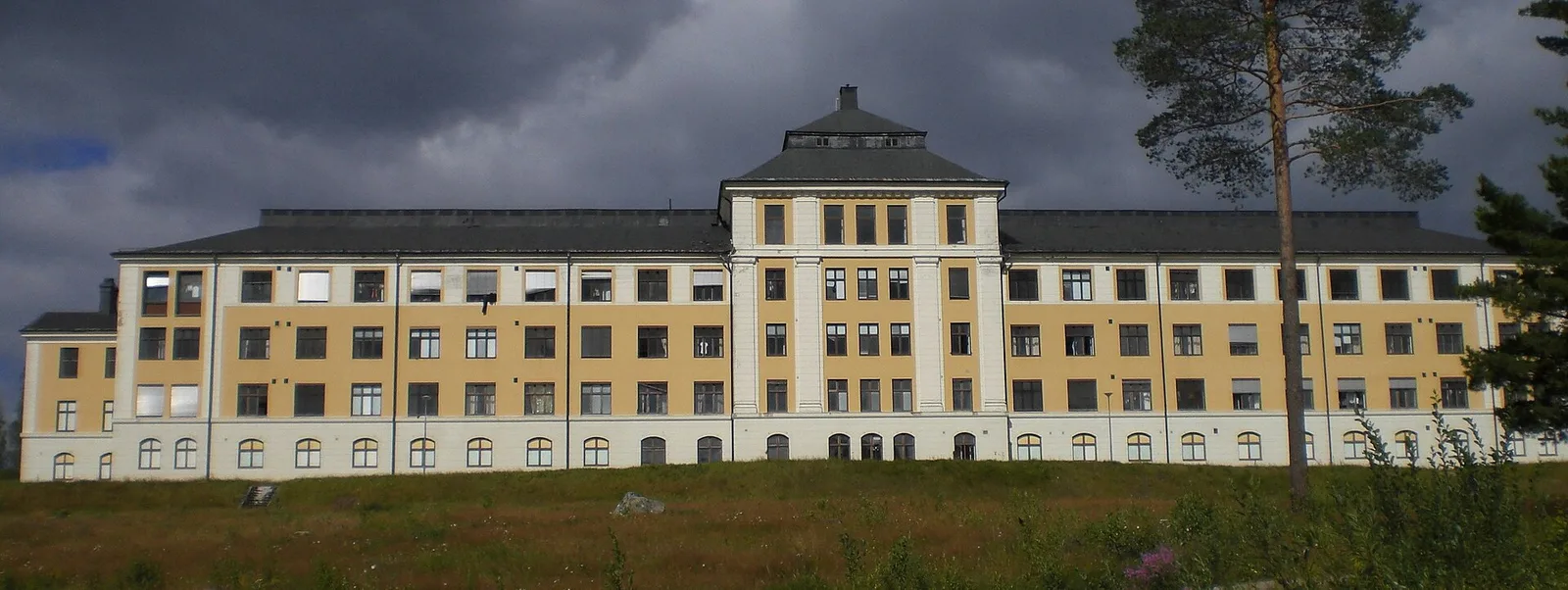
In the village of Hällnäs, Vindeln municipality in Västerbotten, stands the abandoned Hällnäs sanatorium. It was inaugurated in 1926 as the central tuberculosis sanatorium of Västerbotten, with 208 beds (around 385 by 1951), its own power plant, water tower and bakery. The writers Sara Lidman and Torgny Lindgren were once patients here.
Tuberculosis care ended in 1970, followed by substance-abuse care and a failed conference hotel that went bankrupt in 2006. The main building still stands, largely derelict, with only a tiny sanatorium museum in the old 1892 station building. It is a known urbex site of southern Norrland. More places on our Västerbotten urbex map.
4. Laver: a copper-mining ghost town in Lapland
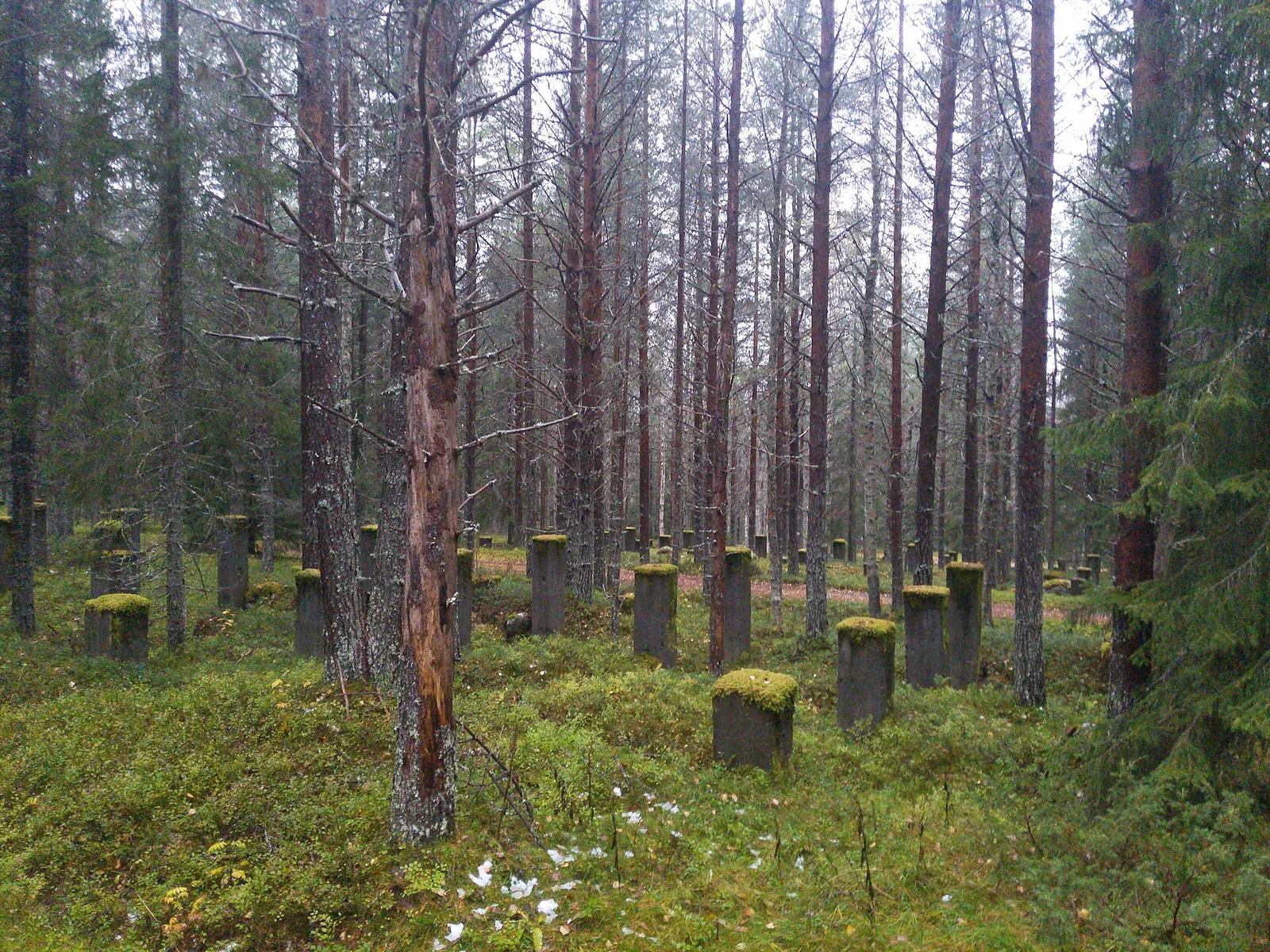
About 15 km southwest of Vidsel, in Älvsbyn municipality, Norrbotten, lie the remains of Laver, a copper-mining ghost town. Copper ore was found in 1929 and Boliden built what the 1930s press called "Sweden's most modern mining community", with district heating, indoor toilets, a cinema and a swimming hall, for around 350 people.
The ore grade was low and prices fell: mining ended on 4 November 1946 and the town was dismantled in 1947, barely ten years after it was built. Today only concrete foundations, the street grid and a water-filled pit remain among the pines; the site is protected and signposted. More places on our Norrbotten urbex map.
5. Källfallet: an abandoned miners' street in Grängesberg
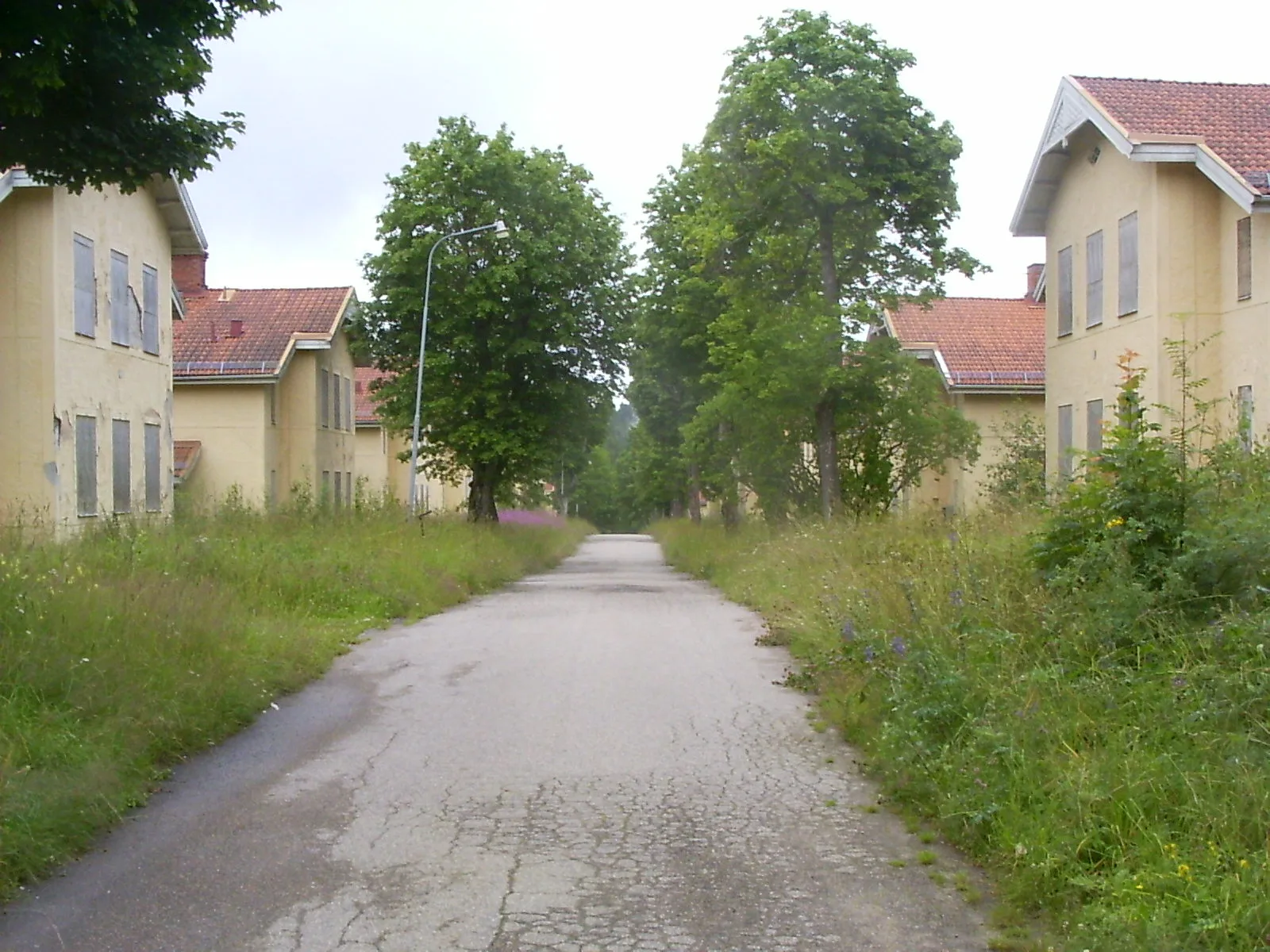
At Källfallet in Grängesberg, Ludvika municipality in Dalarna, stands an abandoned street of red wooden miners' cottages. Grängesberg was Sweden's premier iron-ore district, and the row of cottages on Björkallén was completed in 1896 to house the mine's workers.
When the mine shut around 1989-90, the houses emptied. While the nearby Stora Hagen area was preserved as a museum, Källfallet was left to decay; several cottages have already been demolished and the rest are under threat. Check its status before you go. More places on our Dalarna urbex map.
6. Tynnelsö slott: a derelict castle on a lake island
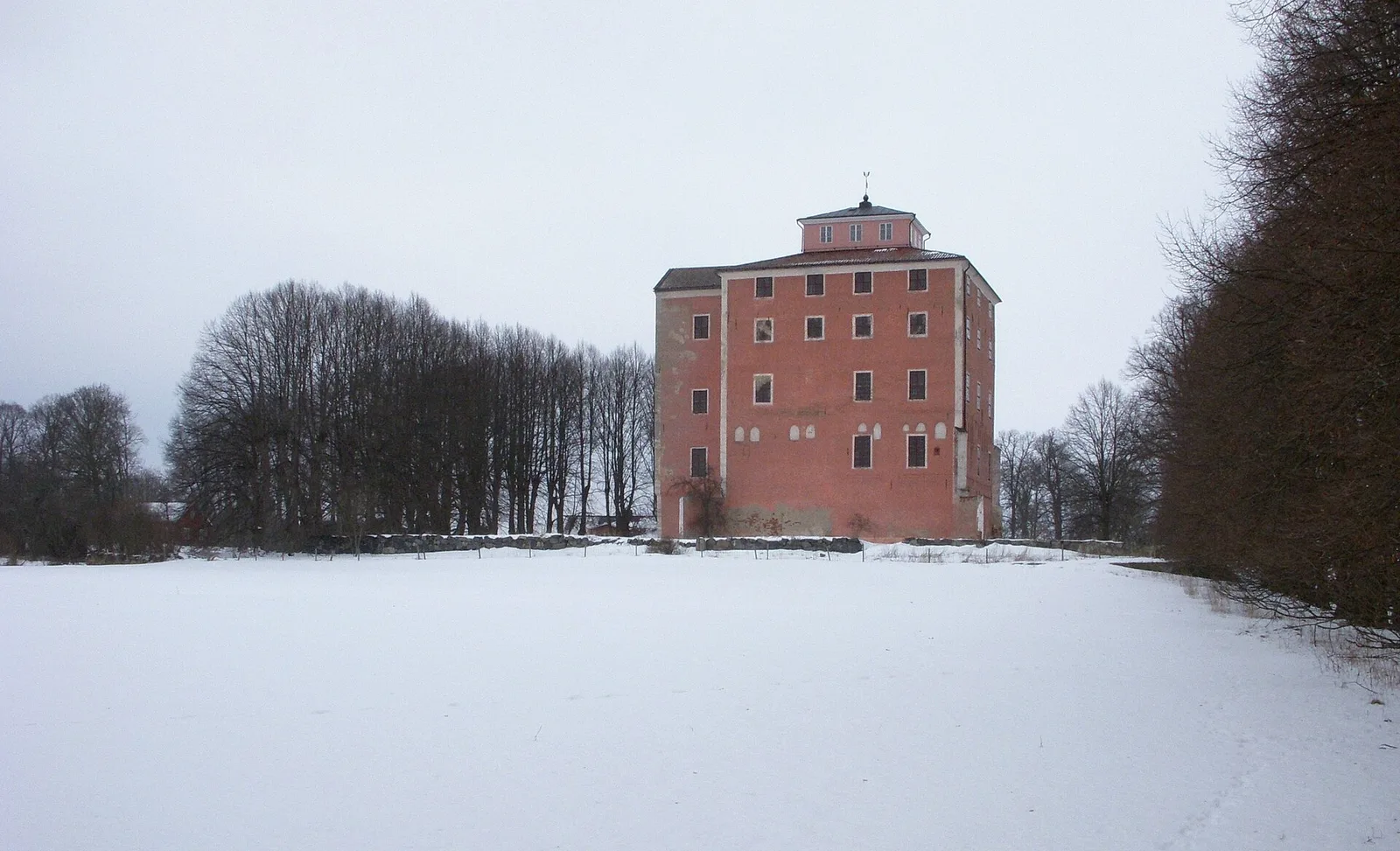
On the island of Tynnelsö in Lake Mälaren, Strängnäs municipality, stands the derelict Tynnelsö slott. First documented in 1282, the stone castle was built in the 1490s by Bishop Kort Rogge; Gustav Vasa seized it as an arsenal, and his queen Margareta Leijonhufvud died there on 26 August 1551.
It was abandoned as a residence back in the 18th century and left to decay. Owned by the National Property Board, it was put up for sale in January 2025; the interior is closed and empty. It is a genuine abandoned castle, not a museum. More places on our Södermanland urbex map.
7. Långasjönäs: a roofless paper-mill ruin in Blekinge
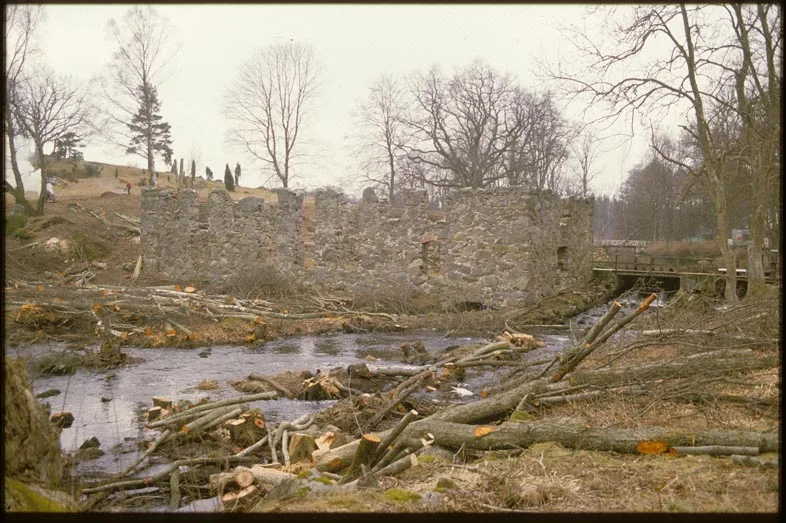
In Asarum parish, about 7 km north of Karlshamn in Blekinge, stands the roofless stone ruin of Långasjönäs pappersbruk. Paper-making here is documented from 1762, when about ten workers made paper from linen rags on the Mieån river.
The wooden mill burned again and again - nine fires in total - and was rebuilt in stone in 1857. After the last fire in 1919 it was permanently abandoned and production moved to Forså bruk. The roofless stone shell, with walls up to 6 m high, survives as a registered ancient monument in a popular recreation area. More places on our Blekinge urbex map.
8. Hagelsrums masugn: a standing blast furnace from the iron age of Småland
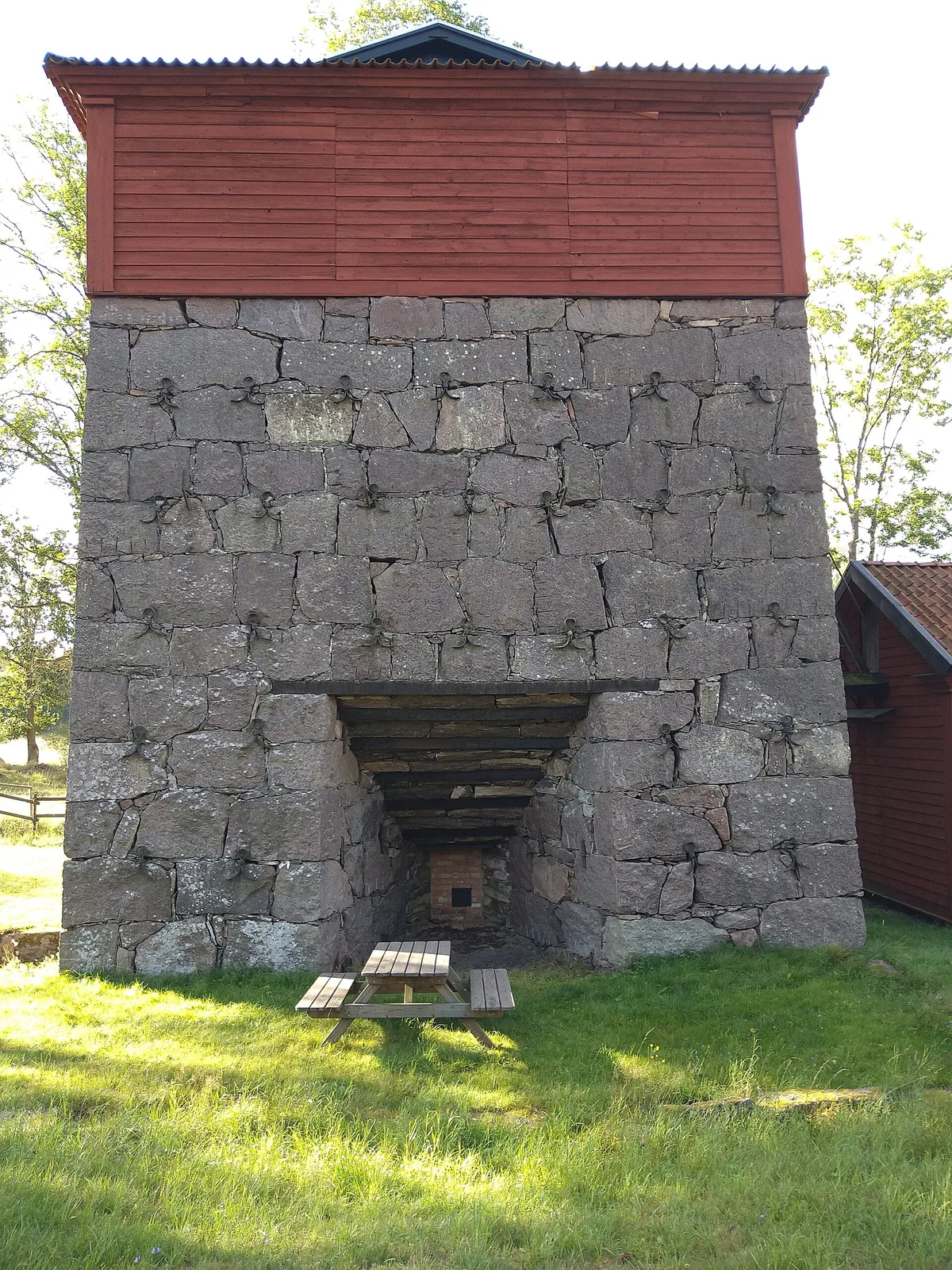
At Hagelsrum near Målilla, Hultsfred municipality in Småland, stands Hagelsrums masugn, the only surviving pre-industrial blast furnace in Kalmar county. The right to build a furnace on the Silverån river was granted in 1748, and the furnace you see today, the third on the site, was put into operation in 1854.
It was blown for the last time in 1877 and then stood idle for over a century. The blast-furnace stack with its wooden superstructure and the blower house still stand; since 1994 the site has been owned and cared for by the local heritage society, and it is freely accessible. More places on our Kalmar urbex map.
9. Hemsö fästning: a Cold War fortress inside a mountain
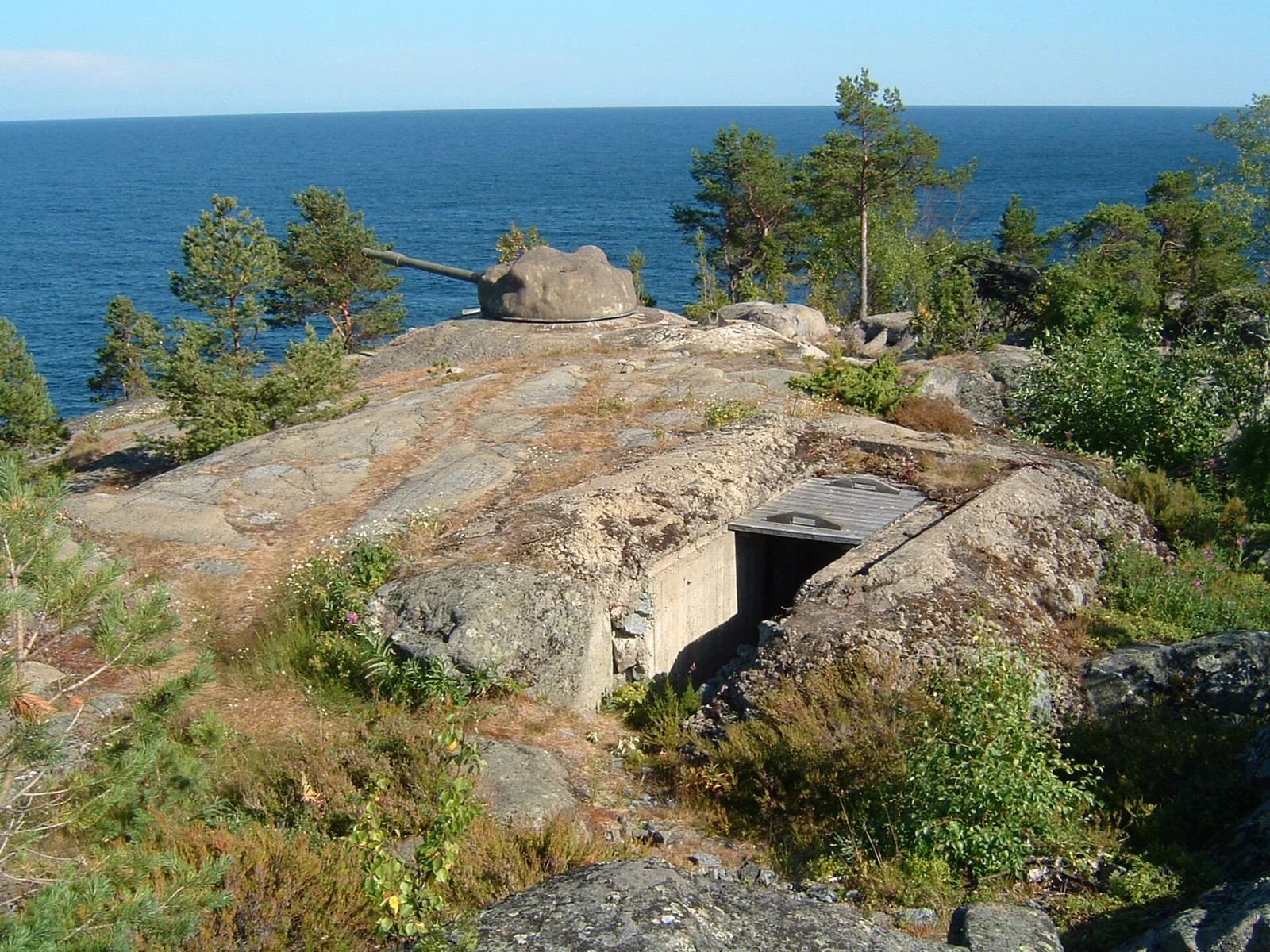
On the island of Hemsön outside Härnösand, the Hemsö fästning is one of Sweden's largest and most iconic Cold War coastal-artillery installations, blasted up to 40 m into the Storråberget mountain. Built in 1953-1957, it defended the mouth of the Ångermanälven, with a heavy battery of three turrets, each with two 15.2 cm guns, and around 340 soldiers behind nuclear-protection armour.
Be upfront here: the fortress was decommissioned in the late 1980s-90s and is now a museum with guided tours, not a wild urbex site. But the atmosphere of the rock tunnels and gun turrets is unmatched, and it belongs in any honest map of Sweden's abandoned military heritage. More places on our Västernorrland urbex map.
10. Malmberget: the iron-ore ghost town being swallowed by a pit
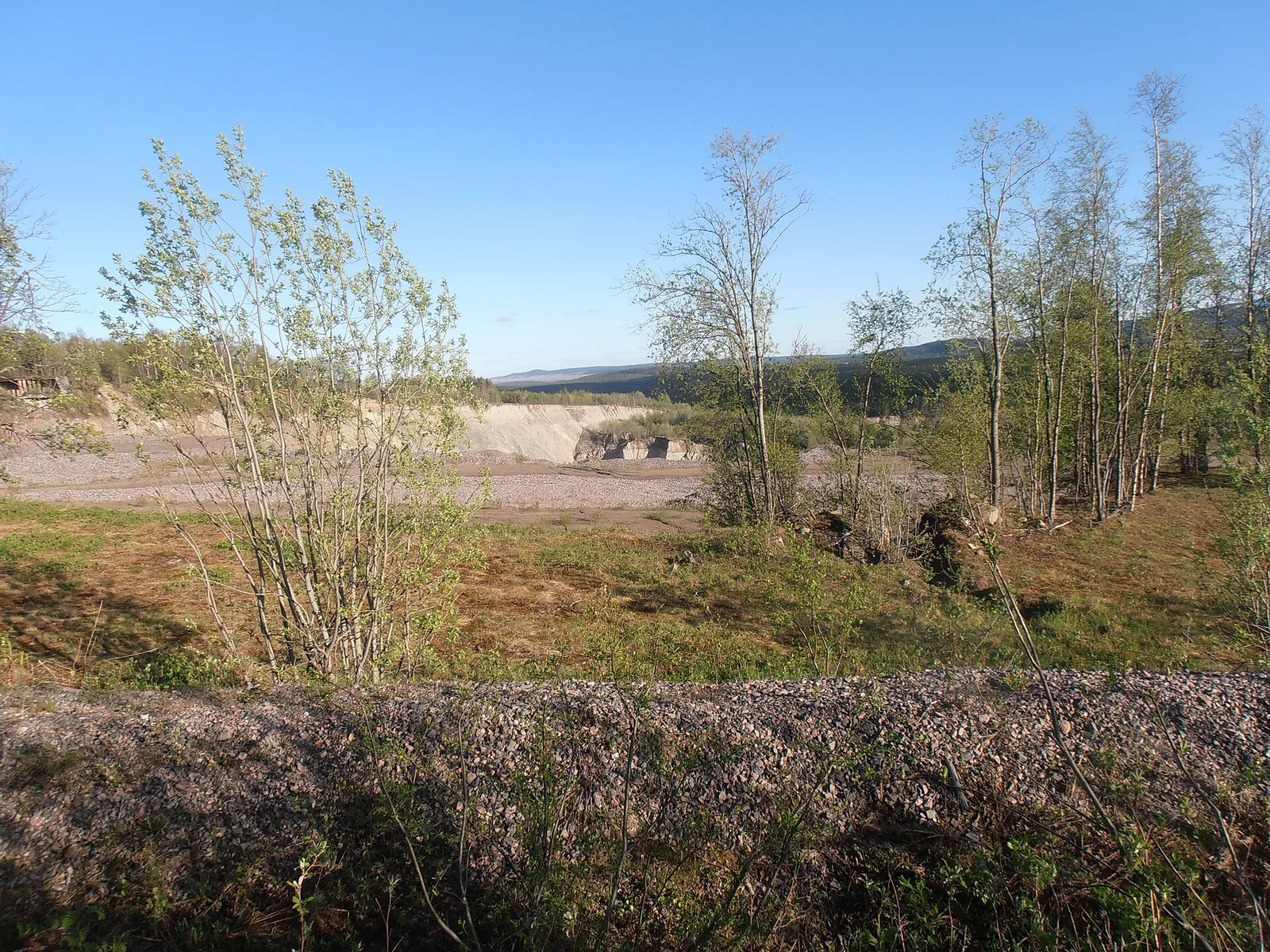
In Gällivare municipality, Norrbotten, Malmberget is the most dramatic abandoned-town story in Sweden: an iron-ore town being erased by its own mine. Decades of mining subsidence opened the giant Kaptensgropen pit, which split the town and made the old centre uninhabitable.
The population fell from about 5,590 in 2010 to roughly 900 by 2020 as residents were bought out and relocated to Gällivare, and the emptied houses are being demolished in phases by LKAB, with the urban transformation running to around 2032. This is not a preserved ruin but a town being wiped off the map; explore the edges with great care. More places on our Norrbotten urbex map.
FAQ - Abandoned places in Sweden
How many abandoned places are there in Sweden?
It is hard to give one number, but our Sweden urbex map holds thousands of verified spots: abandoned sanatoriums, mining ghost towns, manor houses, military installations and industrial ruins across the country.
Is urbex legal in Sweden?
Sweden's right of public access (allemansrätten) lets you move freely in nature, but it does not allow entering buildings or fenced private property, which can be trespassing. Many of these sites are private or protected. Respect no-entry signs, never force your way in and do not damage anything.
Are these places dangerous?
Yes. Abandoned sanatoriums and the castle have floors and stairs that can give way, the mining ghost towns hide shafts and water-filled pits, and Malmberget is an active subsidence zone. Never explore alone, carry a torch and a charged phone, and stay off damaged floors and roofs.
Which Swedish ghost town can you visit?
Laver, a copper-mining town dismantled in 1947, is protected and signposted, and Malmberget is the famous iron-ore town being demolished today. Both are real ghost towns, but Malmberget is an active industrial area, so keep a safe distance.
Where to find more abandoned places in Sweden?
On our free urbex map and the Sweden map you will find thousands of verified spots. Under each free point, tap "Add to my map" to save the GPS coordinates to your account, without a card.
What is the best season for urbex in Sweden?
Late spring and early autumn are best: long daylight, soft light and less undergrowth hiding the buildings. In the far north, winter days are extremely short, so plan to be out well before dark.
Conclusion: why Sweden rewards explorers
Sweden's abandoned places trace a century of change: the fight against tuberculosis that filled the forests with sanatoriums, the mining booms and busts that built and erased whole towns like Laver and Malmberget, the depopulation that emptied manors and miners' streets, and a Cold War that hollowed out mountains. These ten places are only the start. Explore responsibly: respect no-entry signs, stay off floors that can give way and leave no trace. To discover the rest, open our Sweden urbex map and save your coordinates for free in your personal map.