Cavernous halls, rusted blast furnaces, control rooms frozen on their last day of service: the derelict factory is the historic cradle of urbex. From the giant power station of Vockerode on the Elbe to the ghost apartment blocks of the Matsuo mine in Japan, by way of the cathedral-like grain elevator of Buffalo, here are 10 factories, power stations and industrial sites that are genuinely abandoned and still standing in 2026, ranked by sheer atmosphere and historical weight.
Our map lists more than 229,000 geolocated abandoned places across over 200 countries. We have filtered it down to factories, power stations and industrial sites that are truly abandoned and still standing in 2026, never turned into a UNESCO museum or redeveloped. For each one you get its story, its video, and an "Add to my map" button: the exact GPS coordinate is free, no credit card needed. Power stations, grain silos, blast furnaces, chemical plants: the cathedrals of the industrial age left to the rust.
Abandoned factories: why Urbex Maps changes the game
Plenty of "free" sites make you pay for the real address. We do the opposite: an "Add to my map" button unlocks the exact coordinate in your personal space, with no credit card. A community of more than 40,000 explorers since 2021 verifies every coordinate at least twice. The 10 sites below are ranked by visual impact and importance; for each one there is a link to its page and to its country's map. Everything opens from the free urbex map or your My map space.
The 10 abandoned factories at a glance
| Site | Country | Type | Access in 2026 |
|---|---|---|---|
| Kraftwerk Vockerode | Germany | Power station | Off-limits / trespass |
| Ex SNIA Viscosa | Italy | Viscose factory | Off-limits (private) |
| Concrete-Central Elevator | United States | Grain elevator | Off-limits / trespass |
| Matsuo Mine Ruins | Japan | Sulphur mine | Off-limits (collapses) |
| Haut Fourneau 4 (Carsid) | Belgium | Blast furnace | Off-limits / trespass |
| Inota Power Plant | Hungary | Power station | Off-limits / trespass |
| South Fremantle Power Station | Australia | Power station | Off-limits (guarded) |
| Nairit | Armenia | Chemical plant | Off-limits (hazardous) |
| Wangi Power Station | Australia | Power station | Off-limits / trespass |
| Govăjdia | Romania | Blast furnace | Open / unmanaged |
1. Kraftwerk Vockerode, Germany: the giant power station on the Elbe
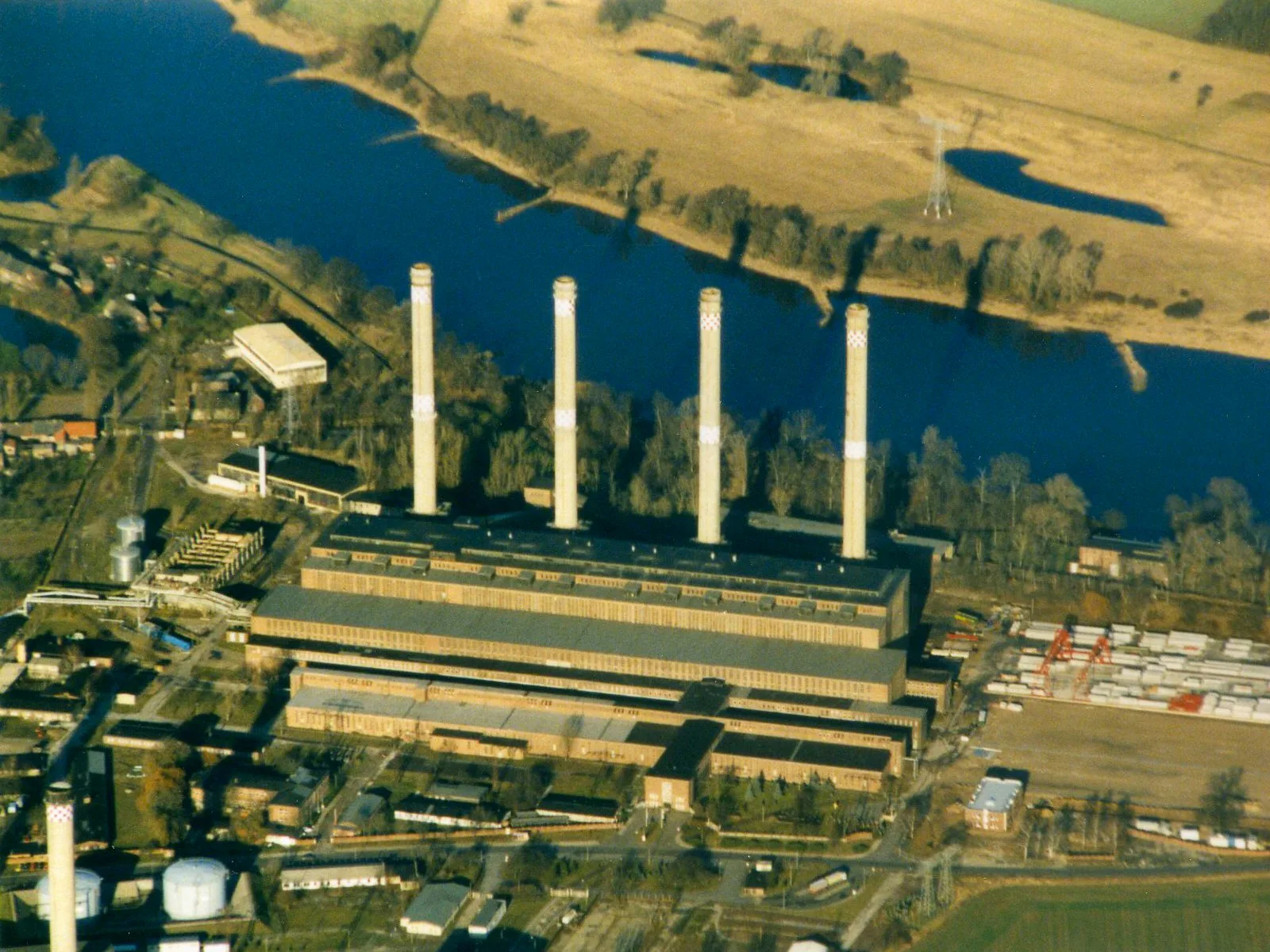
Built from 1937 on the Elbe, Vockerode burned lignite to power industrial Saxony-Anhalt under East Germany, housing as many as twelve turbines in a single hall. The lignite blocks closed in 1994, the gas plant in 1998; its four chimneys were blown up in 2001. Briefly used for exhibitions until 2013, it now stands sealed and dangerous, its control room preserved exactly as it was left, a treat for explorers. More spots on the urbex map of Germany.
2. Ex SNIA Viscosa, Italy: the drowned factory of Rome
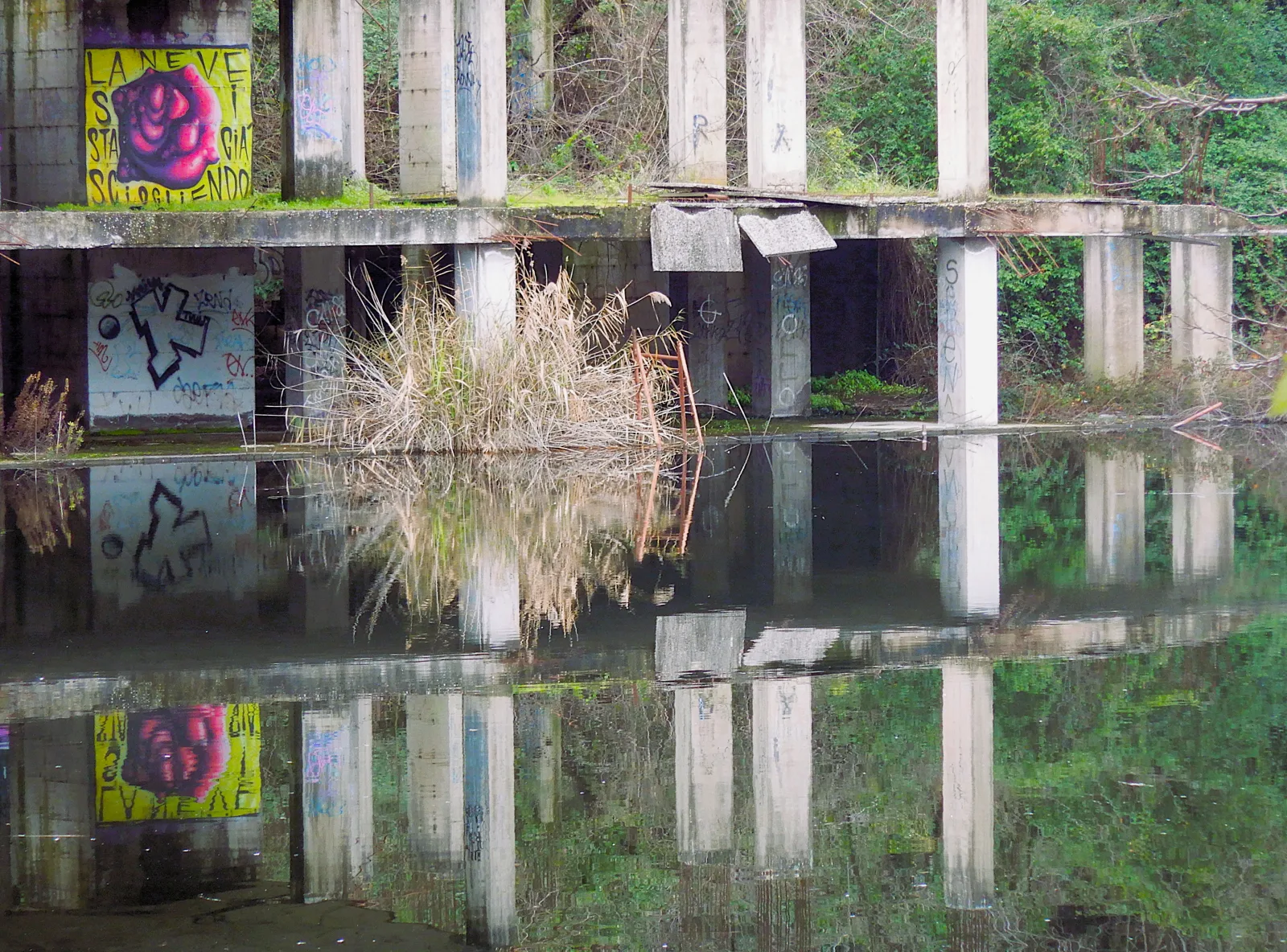
In 1922 the SNIA Viscosa company opened a viscose factory in Rome's Prenestino district, producing the "artificial silk" spun from cellulose; textile work stopped there as early as 1954. When a developer tried to build a shopping centre on the site in the 1990s, the works punctured an aquifer: water surged up and flooded the basement, creating the Lago Bullicante, a spontaneous lake now listed as a natural monument. Graffiti-covered concrete skeletons, unfinished pillars and reeds reflect in the green water, on private, off-limits land. More ruins on the urbex map of Italy.
3. Concrete-Central Elevator, United States: the cathedral grain silo of Buffalo
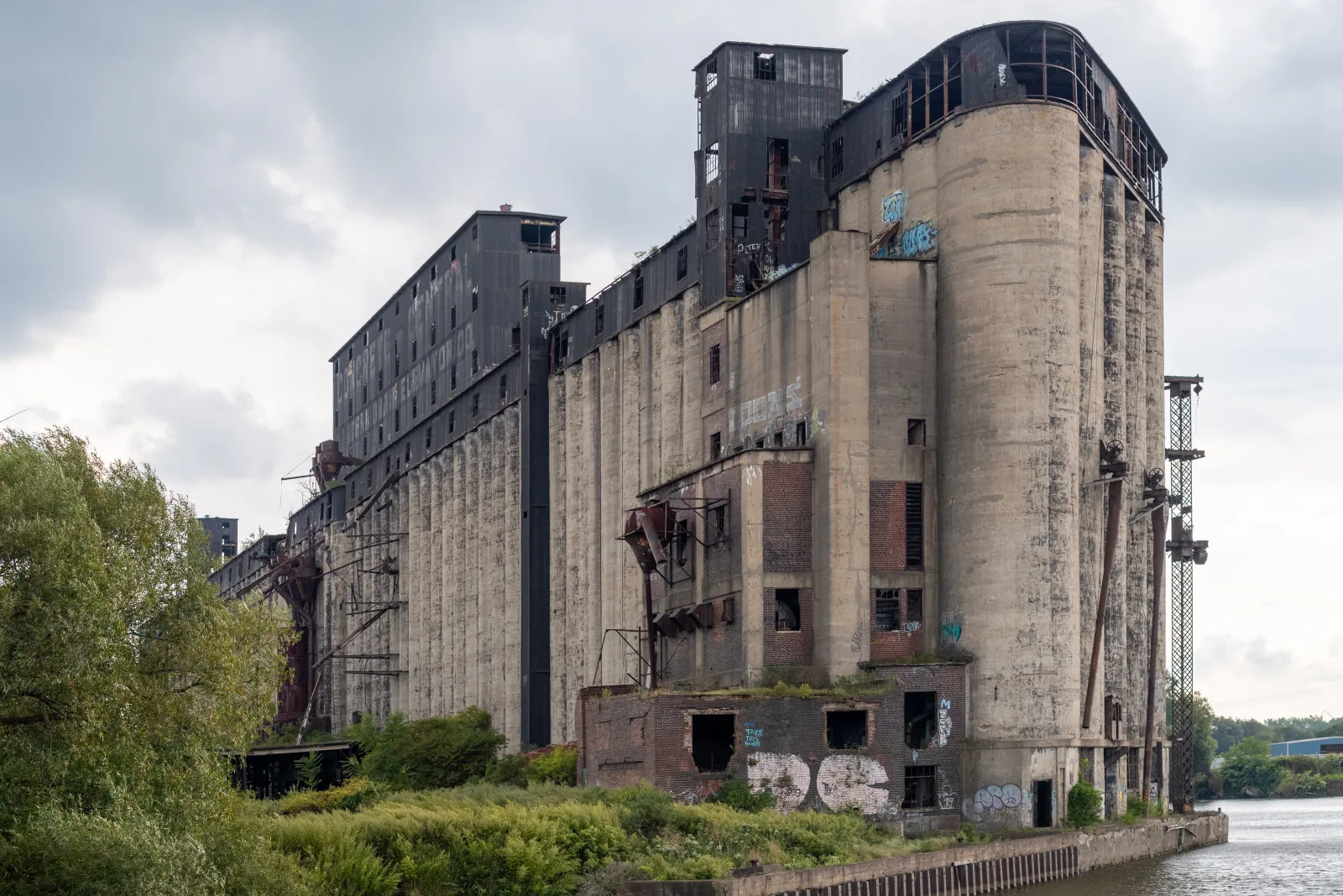
Built in 1915-1917 at the height of the First World War, Concrete-Central was the largest grain transfer elevator in the world, with a capacity of 4.5 million bushels; its construction method was kept secret for fear of German sabotage. The grain stopped in 1966 and the elevator was abandoned in 1975. Stripped of its machinery and slowly scrapped, it still stretches nearly 400 metres along the Buffalo River, a concrete cathedral that is off-limits. More spots on the urbex map of the United States.
4. Matsuo Mine Ruins, Japan: the ghost town above the clouds
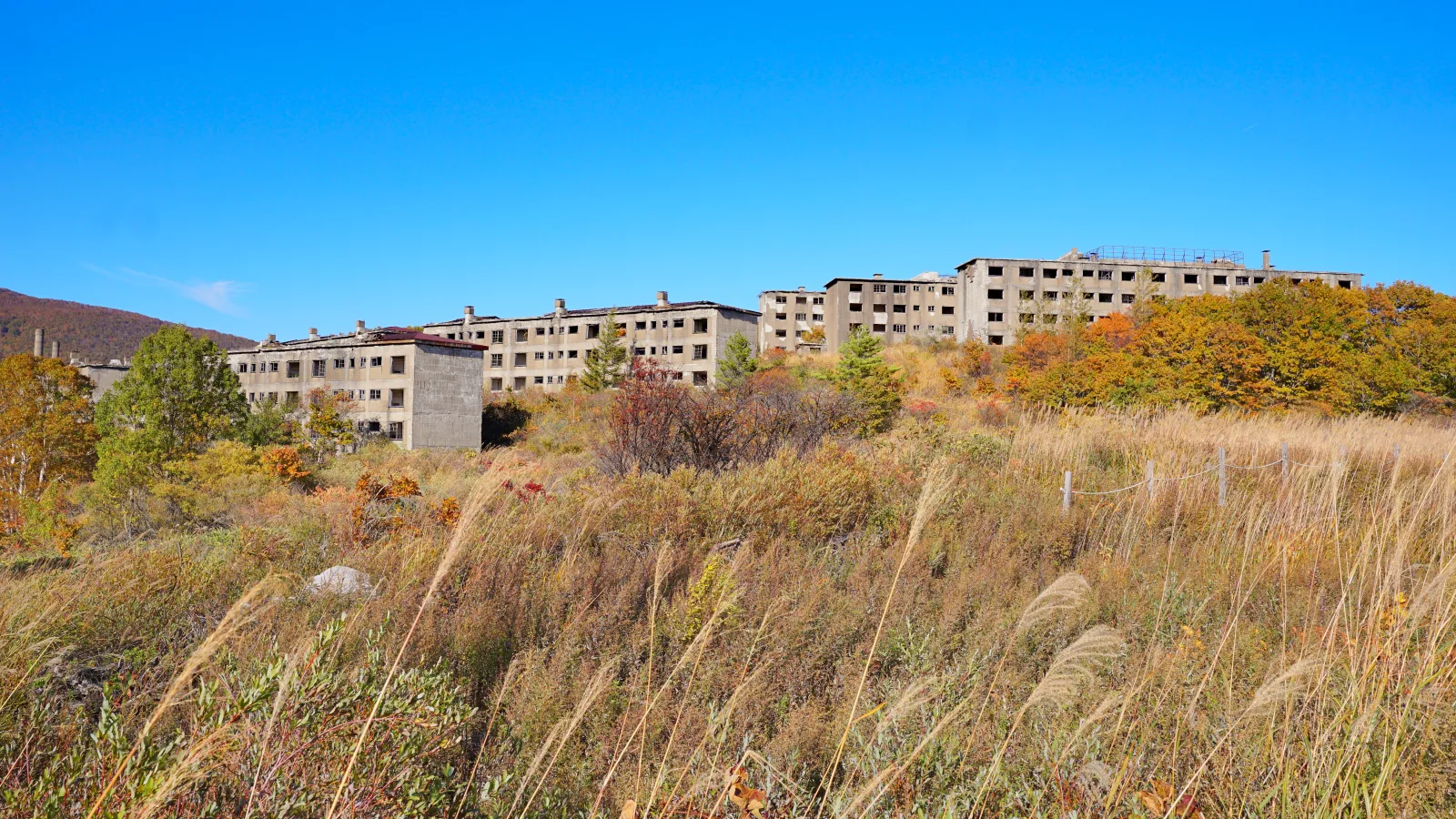
Perched at 900 metres in the mountains of Iwate, the Matsuo sulphur mine was in the 1950s one of the largest in Asia, with a boomtown of nearly 15,000 inhabitants nicknamed "the paradise above the clouds". The collapse of the sulphur price closed the operation in 1972 and emptied the town within a few months. Eleven reinforced-concrete apartment blocks still stand, lined up along the mountainside, roofless and without windows and reclaimed by the grass: a ghost village whose buildings are off-limits because of collapse risk. Explore the urbex map of Japan.
5. Haut Fourneau 4 (Carsid), Belgium: the giant of Charleroi
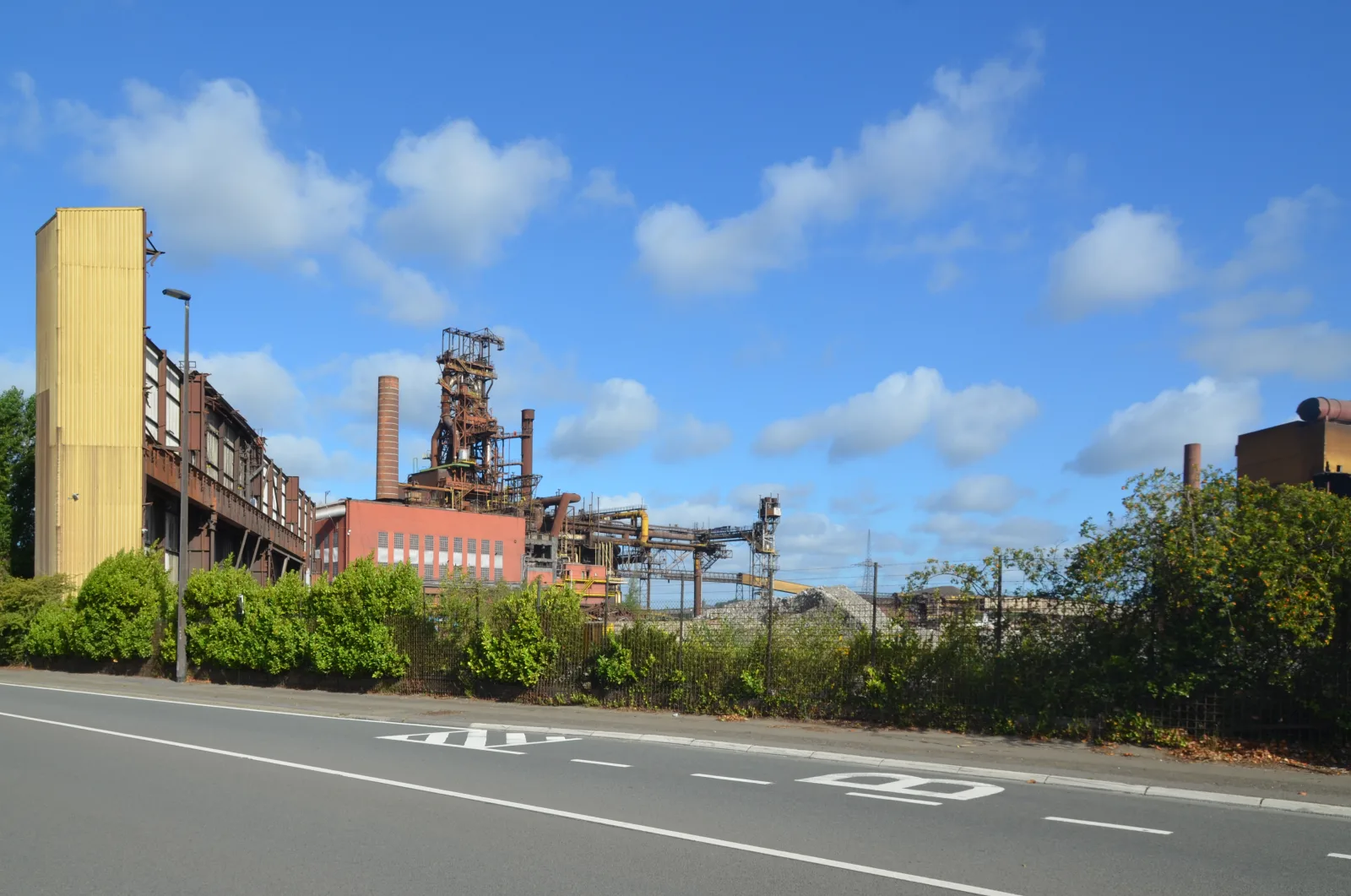
Inaugurated in 1963 by Thy-Marcinelle on the banks of the Sambre, blast furnace HF4 became the heart of the Carsid steelworks, modernised right up to 2007. The 2008 recession and the collapse in demand shut it down for good, ending centuries of steelmaking around Charleroi. While the surrounding plant was demolished, Wallonia protected HF4 and its three chimneys for a time, one of the best-preserved blast furnaces in Europe. For lack of budget it rusts behind its fences ahead of a gradual dismantling, a magnet for explorers. Explore the urbex map of Belgium.
6. Inota Power Plant, Hungary: the Blade Runner power station
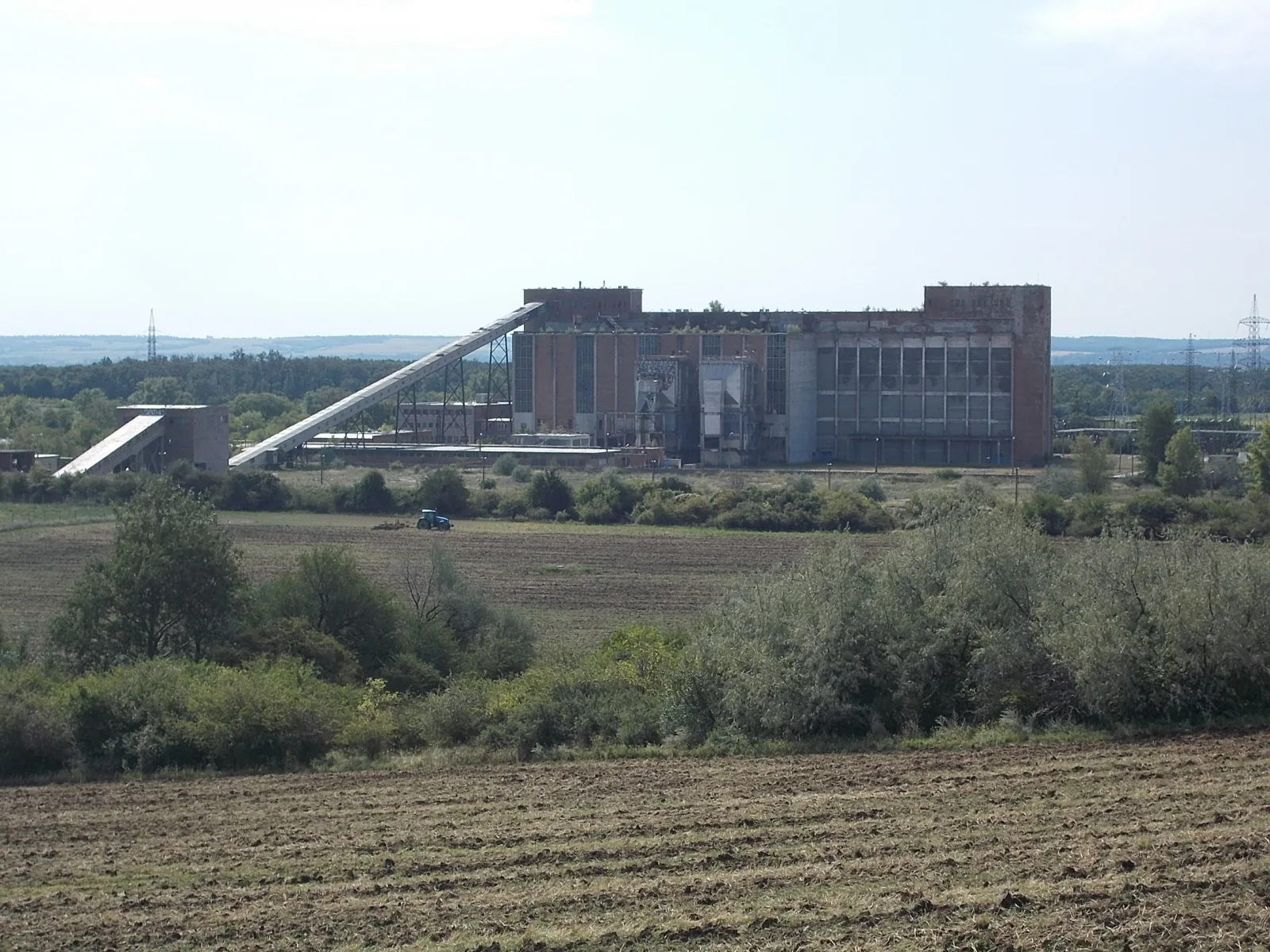
Built from 1950 to power Hungary's aluminium industry, the Inota plant started up in 1951 and ran for fifty years, its Heller-Forgó cooling towers becoming a landmark of Hungarian engineering. Pollution and obsolescence closed it on the last day of 2001, after which it was partly demolished. Its cinematic ruins, evoking Blade Runner, draw explorers from all over the world. The vast complex remains off-limits and dangerous, apart from a few one-off events that are not free exploration. Explore the urbex map of Hungary.
7. South Fremantle Power Station, Australia: the cathedral of graffiti
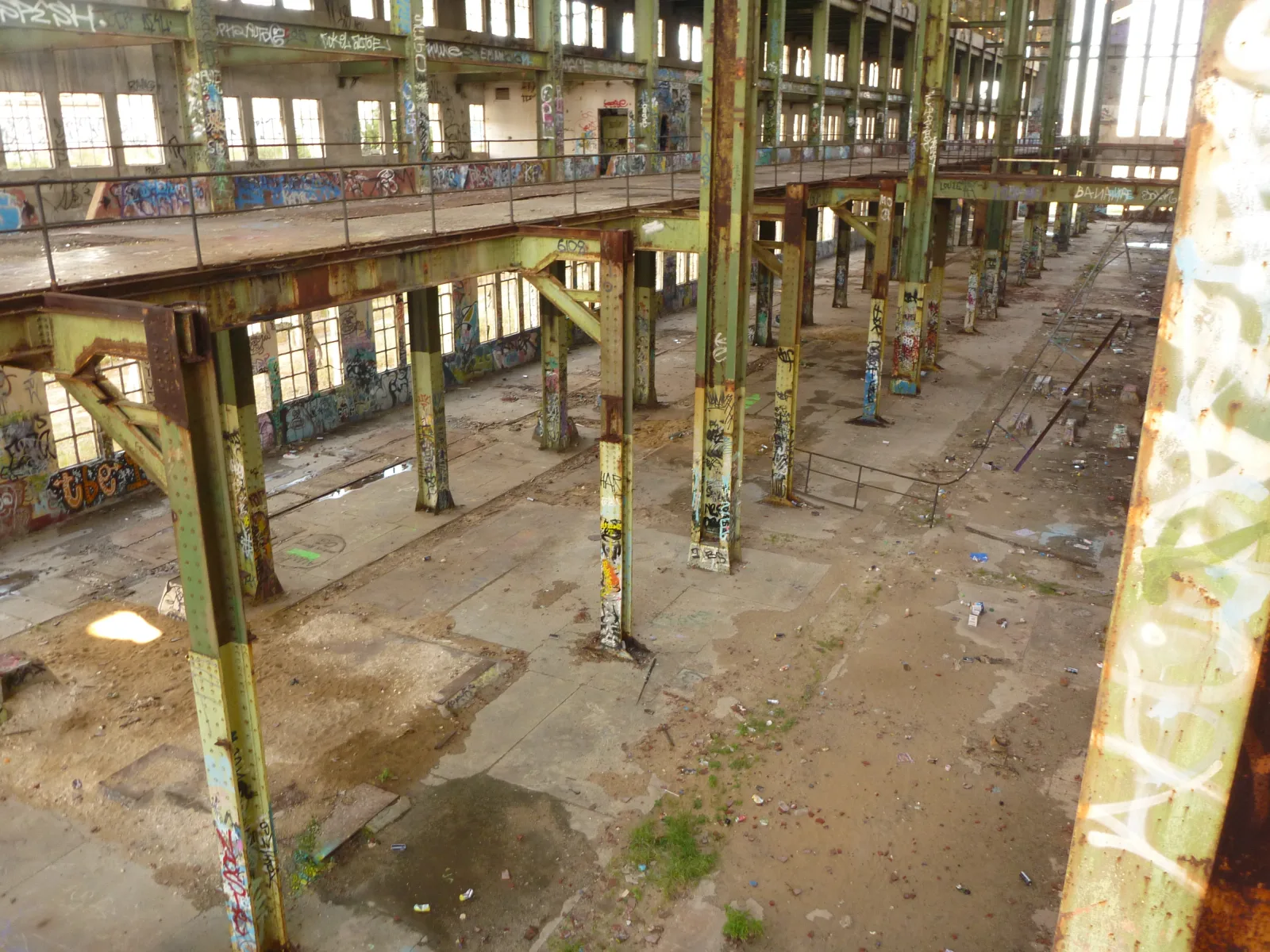
On the coast south of Fremantle, this Art Deco coal-fired power station generated electricity from 1951 to 1985, fuelling the rise of Perth before being made obsolete. Emptied of its turbines, its great brick hall has become a cathedral of graffiti: rusted steel pillars, gaping window bays, a floor strewn with rubble. State heritage-listed, fenced off and guarded, it has been waiting decades for a redevelopment that never comes, and remains one of the most popular urbex sites in Western Australia. Explore the urbex map of Australia.
8. Nairit, Armenia: the Soviet chemical plant of Yerevan
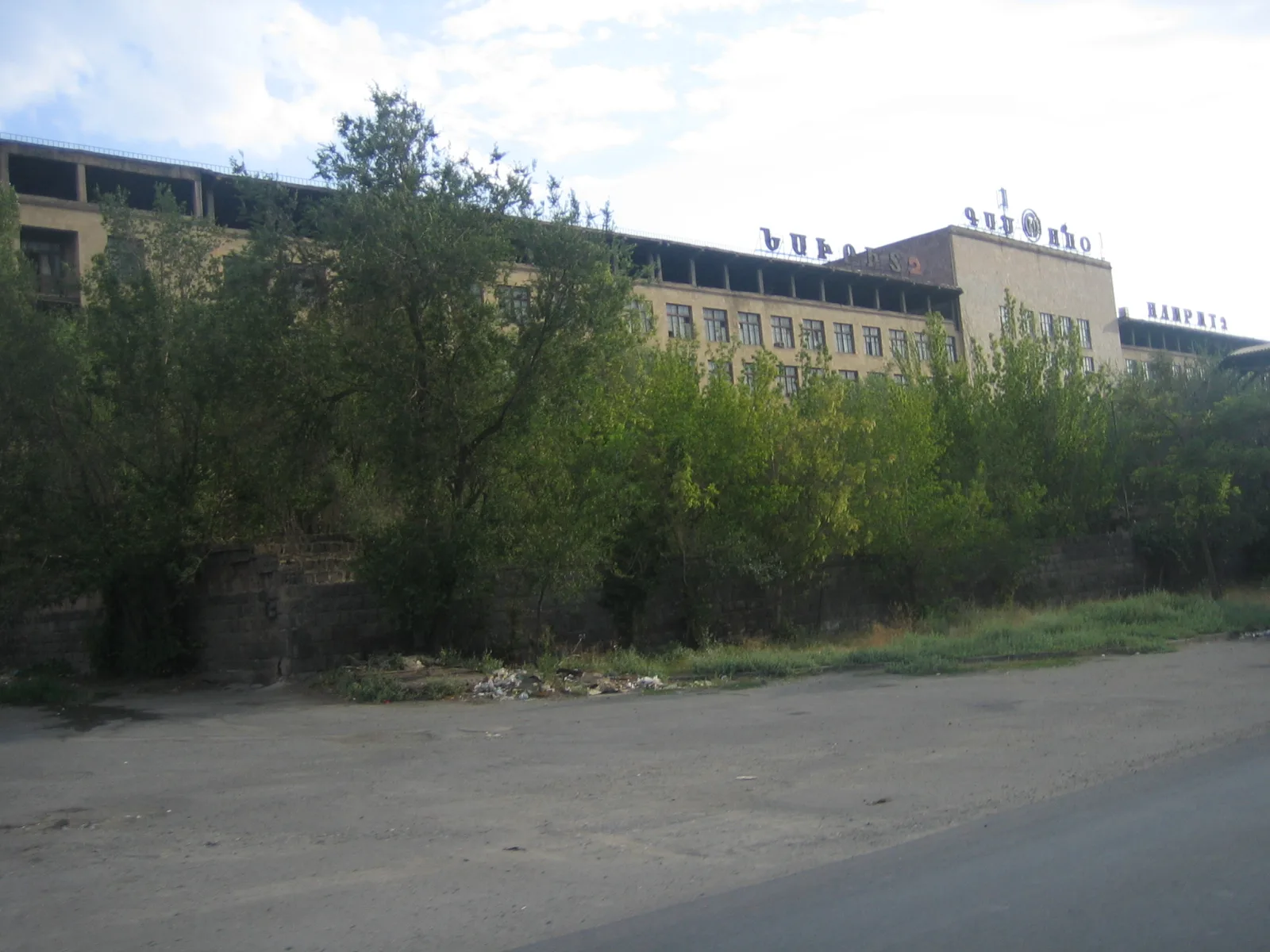
Opened in 1936, the Nairit plant near Yerevan became the engine of Soviet Armenia's economy, producing chloroprene rubber and dozens of chemical products, and supplying up to 40% of the republic's income. The environmental protests of 1988 began to curb its toxic output, and the plant closed in 2010, declared bankrupt in 2016. Spread across 160 lightly guarded hectares, it is now looted, with chemical residues still in storage: a dangerous, off-limits wasteland, not to be mistaken for free exploration. Explore the urbex map of Armenia.
9. Wangi Power Station, Australia: the power station on Lake Macquarie
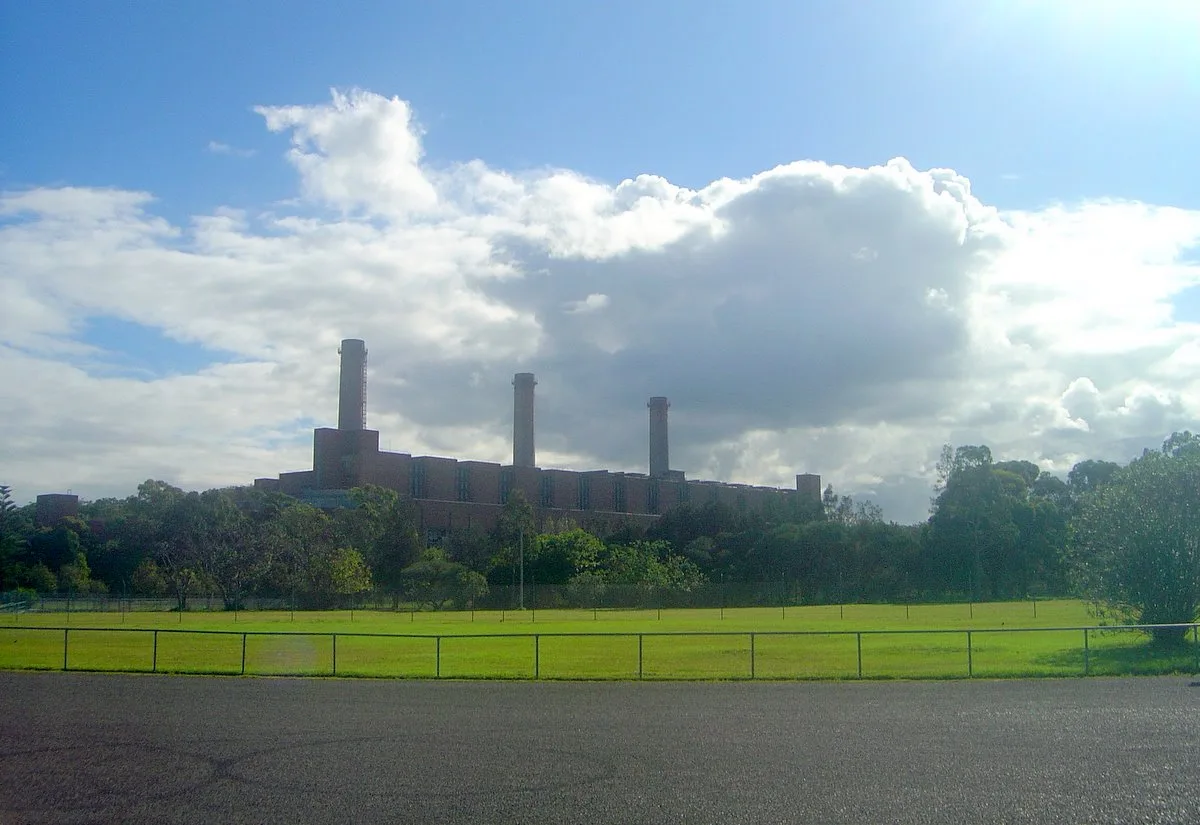
Opened in 1958 on the shore of Lake Macquarie, Wangi was for a time the largest power station in New South Wales (330 MW), stabilising the grid after the massive 1964 blackout. Built in riveted steel, one of the last large Australian constructions of its kind, it was decommissioned in 1986 and stripped of its generators in the early 1990s. Every redevelopment plan has failed, leaving its great brick hall and chimneys empty, dangerous and off-limits. Explore the urbex map of Australia.
10. Govăjdia, Romania: one of the oldest blast furnaces in Europe
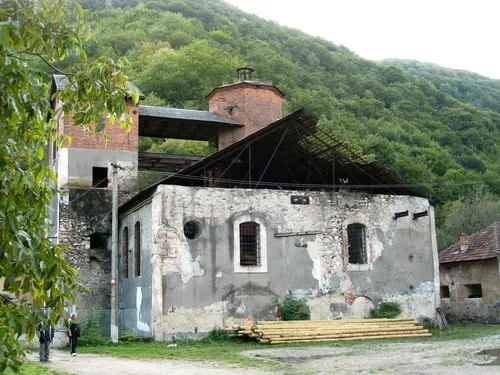
Its construction began in 1806 in a Transylvanian valley; the charcoal-fired blast furnace was lit around 1813, becoming one of the oldest continuously producing furnaces in Europe. It cast iron for the forges of Hunedoara and, according to tradition, for parts shipped westward, with a peak of 8,800 tonnes in 1889. The last casting took place in 1918, and the site closed for good in 1924. Listed as an industrial monument, it survives without a keeper or a roof, a stone relic hidden in the forest, freely accessible. Explore the urbex map of Romania.
FAQ - Abandoned factories and derelict industrial sites
Where can you find abandoned factories?
The old industrial heartlands are full of them: the Ruhr and former East Germany, Wallonia, Polish Silesia, northern Italy or the industrial cities of the United States (Buffalo, Detroit). Our free urbex map geolocates power stations, grain silos and derelict factories across more than 200 countries.
Is it dangerous to explore an abandoned factory?
Very: asbestos, contaminated ground (chemicals at Nairit, sulphur and arsenic residues at Matsuo), falls from height, corroded structures and sometimes leftover hazardous products. These are the most toxic sites in urbex. Never go alone, take a mask, and back off if a chemical hazard is confirmed.
Why were these factories abandoned?
Deindustrialisation, offshoring, the fall of the USSR, obsolete technologies and, sometimes, the exhaustion of the deposit (Matsuo): from the 1970s-1990s onward, entire swathes of heavy industry shut down. Too vast and too polluted to be easily converted, many sites have been left derelict.
Which is the most impressive on this list?
In terms of scale, the Concrete-Central elevator in Buffalo stretches nearly 400 metres along the river. In terms of atmosphere, the eleven ghost blocks of Matsuo, at 900 metres of altitude, form a genuine dead town, and the Vockerode power station lined up twelve turbines under a single hall.
Where can you find more free abandoned places?
Our free urbex map lists more than 229,000 abandoned places across over 200 countries. Each free spot unlocks with no credit card in your My map space.
Conclusion: the cathedrals of the industrial age
From the turbines of Vockerode to the furnaces of Govăjdia, these ten sites tell two centuries of iron, coal and steam, then the great deindustrialisation that emptied the working-class basins. Too vast, too polluted, these giants never found a second life and stand today as rusted cathedrals, the historic cradle of urbex. Explore with care and respect, never break a ban that puts you in danger, and open the free urbex map to find these derelict factories and 229,000 other abandoned places.